


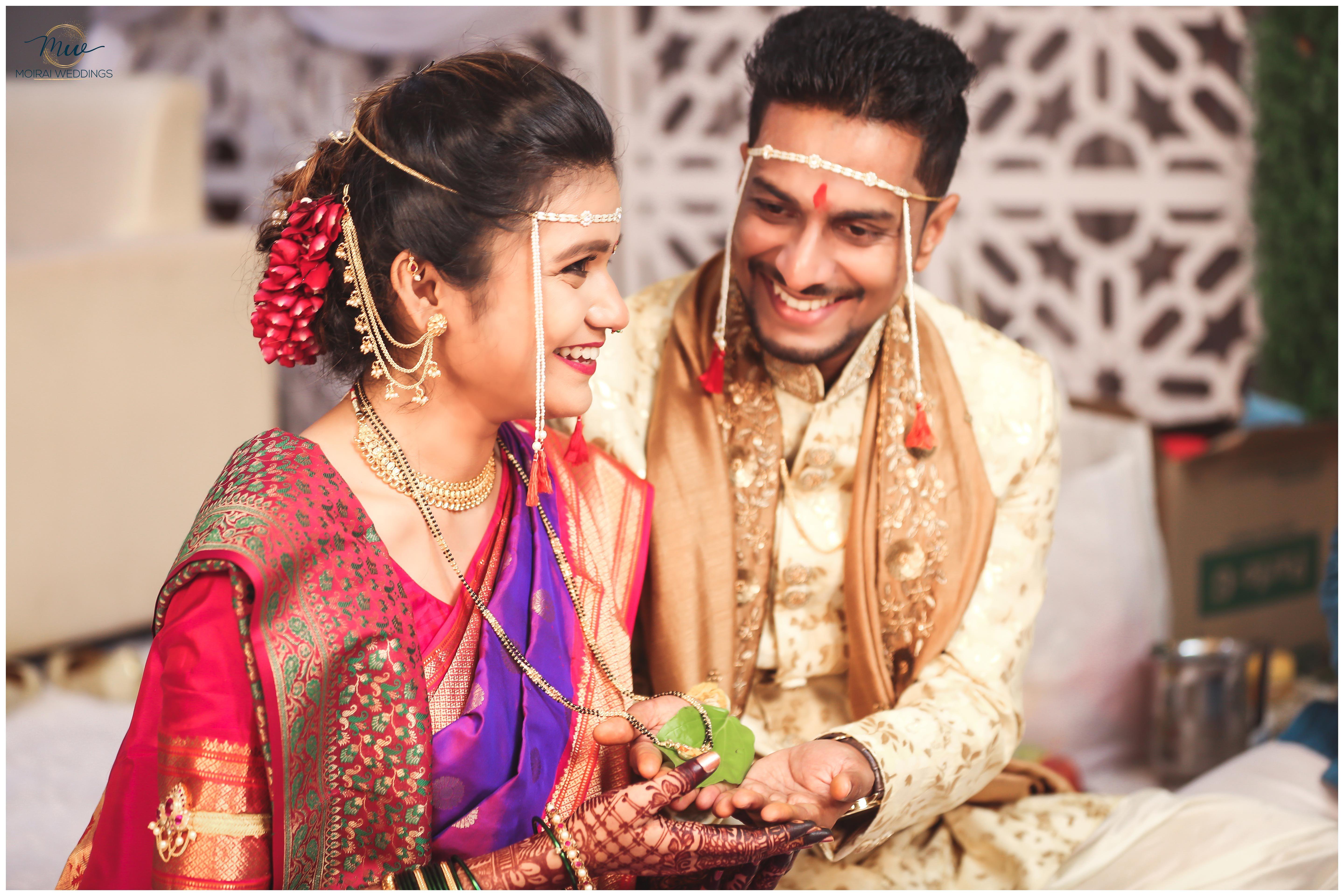
In the heart of every Marathi wedding lies a deep sense of tradition, spirituality, and family bonding. Yet, as modern life evolves and young Maharashtrians embrace education, careers, and global lifestyles, the meaning of marriage is also transforming. The challenge for today’s generation is finding the right balance to honor age-old traditions while embracing modern values.
Modern Marathi couples are proving that it’s possible to celebrate their cultural roots without compromising individuality, equality, and convenience.
1. The Emotional Significance of Tradition
In Marathi culture, wedding rituals are not merely ceremonial they symbolize blessings, unity, and lifelong commitment. From Sakharpuda (the exchange of sweets and engagement) to Halad Chadavane (the turmeric ceremony) and Antarpat (the sacred partition before the vows), every step carries deep meaning.
For many families, continuing these rituals connects generations. Grandparents and parents take pride in seeing their customs preserved, while young couples find joy in understanding the spiritual depth behind them. These moments also become opportunities to bond with elders and share cultural wisdom.
2. Modern Adaptations of Traditional Ceremonies
While tradition remains central, modern Marathi weddings often adapt rituals to fit today’s lifestyles.
-
Simplified ceremonies: Couples may opt for shorter versions of rituals to keep celebrations elegant yet meaningful.
-
Eco-friendly weddings: Many choose sustainable decorations, traditional fabrics, and locally sourced food to align with both culture and modern environmental values.
-
Fusion themes: Modern music, digital invitations, or destination weddings now coexist with classical Marathi customs creating a perfect blend of heritage and innovation.
These adaptations ensure that traditions remain alive and relevant for the current generation.
3. The Role of Family in Modern Marriages
Family continues to play a vital role in Marathi matrimony. Even as couples make independent choices about partners and wedding styles, parents and elders are often consulted for blessings and guidance.
The concept of “Kutumb” (family) is deeply valued emphasizing unity, mutual respect, and emotional connection.
In modern Marathi marriages, family involvement is evolving from decision-making to support and celebration, where elders respect the couple’s individuality while ensuring that cultural values are not lost.
4. Blending Traditional and Modern Values
Modern Marathi couples are redefining marriage as a partnership based on equality, respect, and shared dreams but they still recognize the importance of tradition.
For instance:
-
Couples often perform Ganapati puja before the ceremony, seeking divine blessings.
-
Brides may still wear the traditional Paithani saree and Mundavalya, while grooms don the Dhoti-Kurta or Sherwani, adding a modern twist to the attire.
-
The sacred vows (Saptapadi) are recited with the same reverence, symbolizing eternal commitment.
These choices reflect how young Maharashtrians proudly celebrate their roots, even in a modern setting.
5. Technology and Tradition: A Harmonious Blend
With the rise of online Marathi matrimony platforms, digital wedding planning, and virtual family meet-ups, technology is reshaping how families connect and plan marriages. However, even in this digital age, the essence of tradition blessings, rituals, and togetherness remains unchanged.
Video calls replace physical visits, but the warmth of cultural rituals continues to bind families together.
Conclusion
Maintaining family traditions in a modern Marathi marriage is not about resisting change it’s about evolving with grace. Today’s Marathi brides and grooms are proving that cultural heritage and modern living can coexist beautifully. By respecting traditions, involving family, and embracing progressive values, they ensure that every wedding becomes not just a union of two hearts, but also a celebration of Marathi identity timeless, vibrant, and ever-evolving.

 English
 Arabic
 French
 Spanish
 Portuguese
 Deutsch
 Turkish
 Italiano
 Russian
 Romaian
 Portuguese (Brazil)
 Tiếng Việt