


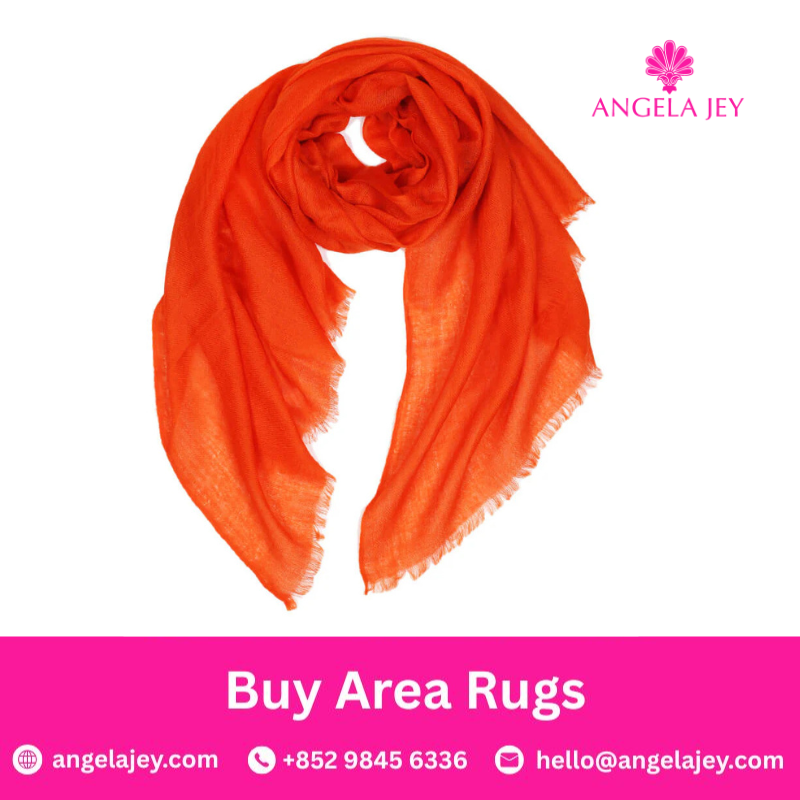
When it comes to lasting luxury and unbeatable softness, not many fabrics can stand up to the supreme elegance of traditional cashmere shawls. Beautifully woven with steady hands, expert know-how, and makers' artistry, these pieces of work represent centuries of cultural heritage and craftsmanship. Each thread contains a history of the artisans who spend their lives tending to this intimate craft, and of the precision involved in transforming fine fibers into soft, regal draping for the world to love.
A Legacy of Centuries
Cashmere shawl making originated in the beautiful valleys of Kashmir over 500 years ago. The shawls were sought after by royalty and nobility of Persia, Central Asia and Europe. The term "cashmere" comes from "Kashmir," the region that perfected this art. Through generations, local artisans continued to teach their children this art, transforming the shawl from a simple accessory into a very cultural symbol of elegance, warmth and sophistication.
The process begins with the sourcing of the finest wool from the underbelly of Himalayan goats, known as Changthangi or Pashmina goats. These goats thrive in the cold desert regions of Ladakh, where temperatures often drop below freezing. Their soft undercoat, shed naturally during spring, is carefully collected, cleaned, and hand-spun into yarn. The exclusivity of the material, combined with the traditional techniques used, makes every cashmere shawl a work of wearable art.
The Intricate Weaving Process
Creating a single shawl is a labor-intensive process that can take weeks or even months, depending on the design’s complexity. Artisans, often working on traditional wooden looms, interlace the delicate threads with remarkable precision. The weaving itself is a rhythmic art form, demanding not only technical skill but also an intuitive sense of harmony between color, texture, and pattern.
Many designs feature intricate kani or tilla embroidery, techniques that have been refined over centuries. Kani weaving, for instance, uses small wooden sticks (kanis) instead of a shuttle to create detailed floral or paisley motifs. On the other hand, tilla embroidery incorporates metallic threads—usually gold or silver—to add an element of grandeur. The artistry of these methods ensures that no two shawls are ever identical; each piece holds a unique fingerprint of its creator.
Natural Dyes and Colors of Tradition
Traditionally, artisans used natural dyes derived from plants, minerals, and roots to infuse the shawls with rich, earthy tones. Indigo, saffron, madder root, and walnut shells are some of the natural sources still used by traditional weavers today. These natural dyes not only enhance the aesthetic appeal but also preserve the ecological balance of the craft. The resulting palette ranges from subtle pastels to deep, regal hues, each reflecting the serene landscapes and cultural richness of Kashmir.
Preserving a Dying Art
Despite its enduring beauty, the art of making traditional cashmere shawls faces modern challenges. The influx of machine-made imitations and synthetic blends has threatened the livelihood of genuine artisans. Moreover, fast fashion trends often overshadow the painstaking craftsmanship that defines authentic pieces. However, several organizations and luxury brands are now working closely with Kashmiri artisans to promote ethical sourcing, fair wages, and sustainable production methods. This collective effort not only helps revive traditional weaving but also ensures that the legacy continues for future generations.
Consumers, too, play an essential role. Choosing authentic, handcrafted shawls over mass-produced alternatives helps sustain artisan communities and keeps this heritage alive. Every purchase supports a chain of craftsmanship—spinners, dyers, weavers, and embroiderers—who each contribute their expertise to create a single masterpiece.
A Symbol of Elegance and Warmth
Owning a traditional cashmere shawl is more than just a fashion statement; it is an appreciation of heritage, patience, and artistry. Its luxurious texture and exceptional warmth make it suitable for both formal occasions and everyday wear. Whether draped over evening attire or wrapped casually around the shoulders, it adds a touch of sophistication that transcends seasons and trends.
The allure of these shawls also lies in their versatility. They can be styled in multiple ways—worn as stoles, wraps, or even used as decorative throws. Over time, they often become heirlooms passed down through generations, treasured for both their beauty and the memories they hold.
The Connection with Pashmina
Among the many types of cashmere shawls, the cashmere pashmina scarf stands out as a symbol of unmatched finesse. Pashmina is the purest form of cashmere, known for its feather-light texture and exquisite softness. Handwoven by skilled artisans, it represents the pinnacle of craftsmanship and remains one of the most coveted luxury accessories in the world.
Conclusion
The art of crafting traditional cashmere shawls is a living heritage—an intricate dance of tradition, skill, and dedication. Every step, from combing the fine undercoat of Himalayan goats to the final hand-finished detail, speaks of passion and precision. These shawls are not just garments; they are enduring symbols of culture, artistry, and human connection.
In an era dominated by automation, the handwoven cashmere shawl remains a reminder of the beauty that can only be achieved through time, tradition, and the human touch. Owning one is not merely a purchase—it is an investment in history, craftsmanship, and timeless elegance.

 English
 Arabic
 French
 Spanish
 Portuguese
 Deutsch
 Turkish
 Dutch
Dutch
 Italiano
 Russian
 Romaian
 Portuguese (Brazil)