
Keeping drains and pipelines clear is a crucial part of plumbing, construction, municipal services, and industrial maintenance. Over time, pipes accumulate grease, sludge, tree roots, soap scum, and minerals that block water flow and cause serious problems—from foul odors to property flooding. For professionals who need reliable and powerful cleaning methods, drain jetters have become the preferred solution.
Effective Pipe Cleaning with a Drain Jetter
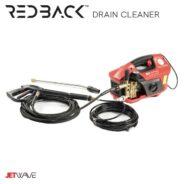
A drain jetter is not just another tool; it's a high-pressure cleaning machine that pushes water through a hose and nozzle at extreme force to break through stubborn blockages and flush them away. Unlike traditional plumbing tools like drain snakes or chemical cleaners, a drain jetter water jetters offer precision cleaning without damaging pipes or harming the environment.
What is a Drain Jetter and How Does It Work?
A drain jetter works by pumping water at very high pressure (often 3,000–5,000 PSI) through a flexible hose and specialized nozzle inserted into the pipe. As the water sprays backward and forward from the nozzle holes, it creates a powerful cutting force that:
-
Breaks up debris, grease, and scale
-
Cuts through tree roots
-
Flushes waste out of the pipe completely
-
Cleans the inner walls of the drain to prevent future clogs
This method doesn’t just pierce a hole through the blockage like traditional snaking—it cleans the entire pipe diameter, making it a superior long-term solution.
Why Professionals Choose Drain Jetters Over Traditional Methods
Here are the main reasons plumbers, councils, and industrial companies prefer drain jetters:
1. Deep Cleaning Performance
Drain snakes or chemicals only solve the surface problem. A drain jetter removes the entire clog, including grease buildup and roots.
2. Eco-Friendly and Chemical-Free
Since it uses only water pressure, no harmful chemicals are needed—protecting the environment and pipelines.
3. Saves Time and Labor Costs
Jobs that used to take hours can be completed in minutes, increasing productivity and reducing customer downtime.
4. Safe for Pipes (When Used Properly)
Unlike mechanical methods that can scratch or break pipes, jetting provides safe and even cleaning.
5. Versatility Across Industries
Drain jetters are used in:
-
Residential plumbing
-
Commercial kitchens
-
Factories and warehouses
-
Mining sites
-
Municipal sewer lines
Types of Drain Jetters
Choosing the right jetter depends on your work environment and cleaning needs. Here are the most common types:
1. Portable Drain Jetters
Compact and lightweight, perfect for home plumbing, sinks, small drains, and indoor repairs. Easy to transport in vans or service vehicles.
2. Trailer-Mounted Drain Jetters
Built for larger jobs like sewer lines, stormwater drains, or commercial facilities. Mounted on trailers and equipped with larger water tanks for remote jobs.
3. Van-Pack Jetters
Permanently installed inside service vans. Excellent for plumbing businesses that require mobility without towing trailers.
4. Hot Water Drain Jetters
Hot water boosts cleaning power, ideal for grease-heavy drains like restaurants, food factories, and commercial kitchens.
Key Features to Look for in a Drain Jetter
Before investing in a drain jetting machine, consider these important features:
| Feature | Why It Matters |
|---|---|
| PSI (Pressure) | Higher PSI = Better cleaning power (3000–5000 PSI recommended) |
| GPM (Flow Rate) | Determines how fast waste is flushed out (10–20 L/min for professional use) |
| Hose Length | Longer hoses reach deeper blockages |
| Nozzle Types | Different nozzles for roots, grease, or general cleaning |
| Engine Type | Petrol, diesel, or electric depending on your job location |
| Water Tank Capacity | Essential for mobile or remote jobs |
| Safety Systems | Pressure relief valves, emergency shutoff, hose reel control |
Where Are Drain Jetters Used?
Residential Applications
-
Clearing bathroom and kitchen drains
-
Unblocking sewer pipes
-
Removing hair, soap, and grease buildup
Commercial and Industrial Use
-
Cleaning restaurant grease traps
-
Washing factory drainage lines
-
Flushing out car wash pits
Construction and Civil Work
-
Stormwater drains
-
Roadside drainage systems
-
Concrete slurry removal
Municipal and Government Work
-
Sewer line maintenance
-
Root intrusion removal
-
Flood prevention systems
Benefits of Using a Drain Jetter
✔ Removes stubborn clogs quickly
✔ Prevents future blockages by cleaning pipe walls
✔ Saves water compared to chemical flushing
✔ Reduces reliance on expensive repair services
✔ Extends the lifespan of drainage systems
How to Use a Drain Jetter Safely
Safety is vital when working with high-pressure equipment. Always follow these guidelines:
-
Wear protective goggles, gloves, and waterproof boots
-
Check hoses and fittings for damage before use
-
Secure all connections to avoid pressure leaks
-
Never point the nozzle at yourself or others
-
Release pressure safely after finishing
-
Follow the manufacturer’s manual at all times
Maintenance Tips for Long-Lasting Performance
Taking care of your machine ensures better performance and fewer breakdowns:
-
Clean nozzles and hoses after each job
-
Check oil levels in the engine and pump
-
Drain water from tanks before storage
-
Descale heating coils if using hot water jetters
-
Replace worn-out hose and nozzle parts regularly
Frequently Asked Questions (FAQs)
Q1. What is a drain jetter used for?
A drain jetter is used to clear blockages in pipes by using high-pressure water to break and flush out debris, grease, roots, and sludge.
Q2. Can a drain jetter damage pipes?
No, when used correctly, it is safe for most pipe materials. However, extremely old or fragile pipes should be inspected before jetting.
Q3. What pressure is best for drain jetting?
Most professional drain jetters operate between 3000 to 5000 PSI for effective cleaning.
Q4. Do drain jetters require a water source?
Yes, but trailer and truck-mounted units often have built-in water tanks for remote locations.
Q5. Can I use a pressure washer as a drain jetter?
Not directly. Specialized nozzles, hoses, and flow rates are needed to convert a pressure washer into a functional jetter.
Conclusion
Drain jetters have become an essential tool for plumbers, contractors, and councils who deal with blocked drains and sewer lines. Their high-pressure cleaning power ensures deep, long-lasting results—far better than chemicals or manual methods. Whether you’re clearing household drains or industrial pipelines, choosing the right jetter can save time, money, and stress.
For reliable, professional-grade solutions designed to handle Australia’s toughest conditions, Jetwave Group provides high-performance drain jetters built for durability, mobility, and power.

 English
 Arabic
 French
 Spanish
 Portuguese
 Deutsch
 Turkish
 Dutch
Dutch
 Italiano
 Russian
 Romaian
 Tiếng Việt