


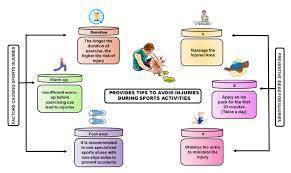
When I think about how many sports have evolved, it's clear that one of the biggest shifts has been in the way we focus on preventing injuries. I've seen so many athletes, both professional and recreational, put more emphasis on staying healthy rather than only working harder. Injury prevention is no longer about just warming up and cooling down; it's now supported by new research, data-driven techniques, and innovative practices that make a huge difference. I've personally taken an interest in learning how these approaches are reshaping the sports world, and I want to share what I've found.
Understanding the Problem in Sports
Sports injuries have always been a part of athletic life, but the cost is more than just time away from training. I know how frustrating it can feel when a simple mistake turns into weeks or even months of recovery. For many athletes, the problem often starts with repetitive stress, poor training techniques, or a lack of awareness about body mechanics. That's where sports science steps in with better answers.
The traditional ways of dealing with injuries—like ice packs, rest, or even surgery—are still valid, but they don't always get to the root of the problem. I've learned that injury prevention today is about studying movement, tracking performance, and using data to create personalized training and recovery plans. It's this deeper understanding that helps athletes avoid setbacks in the first place.
New Approaches That Make a Difference
What stands out to me is how much the science has shifted toward proactive solutions. Here are some of the areas I’ve explored:
-
Biomechanics analysis: With motion tracking systems, coaches and medical staff can see exactly how an athlete moves and spot risks before injuries happen.
-
Wearable technology: Devices now monitor heart rate, hydration, and muscle activity, offering real-time data to guide safe training loads.
-
Strength and conditioning programs: Instead of general workouts, programs are now tailored to the specific sport and even the individual athlete’s weak points.
-
Recovery strategies: From cryotherapy to advanced stretching methods, recovery is treated as a key part of performance, not an afterthought.
When I first read about these approaches, I realized how much they change the mindset. Injury prevention is no longer reactive—it’s built into every stage of an athlete’s journey.
How This Connects to Everyday Athletes
I’m not a professional athlete, but I still find these insights useful in my own routine. I’ve noticed that when I apply the same principles—like tracking my activity, stretching properly, and pacing my efforts—I stay healthier and feel better during exercise. For people like me who enjoy sports recreationally, the science can still apply.
One area that caught my attention was how accessible some of these tools have become. Things like wearable fitness trackers or even mobile apps that analyze running form make it possible for anyone to use sports science in their daily workouts. I can see how integrating these small steps can keep me consistent without worrying about overdoing it.
In the same way, I think about choices in other areas of life, like picking products that align with my lifestyle. I once came across Fog Switch 5500 while browsing, and I noticed how innovation in one field reminds me of innovation in sports science. Both are about refining the experience and making things safer and more enjoyable.
Building a Mindset for Long-Term Success
What really drives these new approaches is mindset. Sports science doesn’t just change what we do; it changes how we think. I’ve started to notice that success in preventing injuries often comes down to habits and awareness.
Here are a few things I remind myself to practice regularly:
-
Listen to the body: Pain is not weakness; it’s information. Acting early can prevent bigger problems.
-
Balance work and rest: Training is important, but recovery is where the real growth happens.
-
Use the right tools: Whether it’s supportive shoes, wearable tech, or professional advice, the right tools protect performance.
-
Stay consistent: Injury prevention works best when it’s part of every session, not just when something feels wrong.
Every time I apply these points, I see the difference in how much smoother my workouts feel. That’s when I understand how powerful small changes can be.
Bringing It All Together
Sports science continues to evolve, and I believe it will keep pushing the boundaries of what athletes can achieve safely. What excites me most is knowing that these advances aren't limited to elite players—they can be part of my own fitness journey too. By learning from biomechanics, embracing technology, and valuing recovery, I'm not just preventing injuries; I'm building a healthier relationship with sports.
It's also interesting how these lessons connect with everyday decisions beyond the field or the gym. Just like the shift toward more mindful training, I've found myself drawn to thoughtful choices elsewhere. For example, I once tried Mr Fog Nova 36K , and the experience reminded me of how precision and design can transform something simple into something enjoyable and consistent. The same principle applies to sports science—better design leads to better outcomes.
As I look at the bigger picture, I see how much consistency matters. Injury prevention is about stacking small, smart choices until they become part of the routine. The more I practice it, the more I realize that staying healthy isn't luck—it's strategy. And just like I choose my training habits carefully, I take the same approach in other areas. I've recently explored Mr Fog Max Air MA8500 , and it showed me how progress in technology, whether in sports or lifestyle, is all about making things better for the long run.
Final Thoughts
I've come to understand that injury prevention is not about avoiding risks completely but about being prepared and informed. With sports science offering such practical tools and strategies, I feel more confident in every session I do. I know that every choice I make—whether it's how I train, how I recover, or even how I choose products that align with my routine—builds into the bigger picture of long-term health and performance.
Injury prevention through sports science is a journey, not a destination, and I'm glad to be part of it one step at a time.

 English
 Arabic
 Spanish
 Portuguese
 Deutsch
 Turkish
 Dutch
Dutch
 Italiano
 Russian
 Romaian
 Portuguese (Brazil)
 Tiếng Việt