


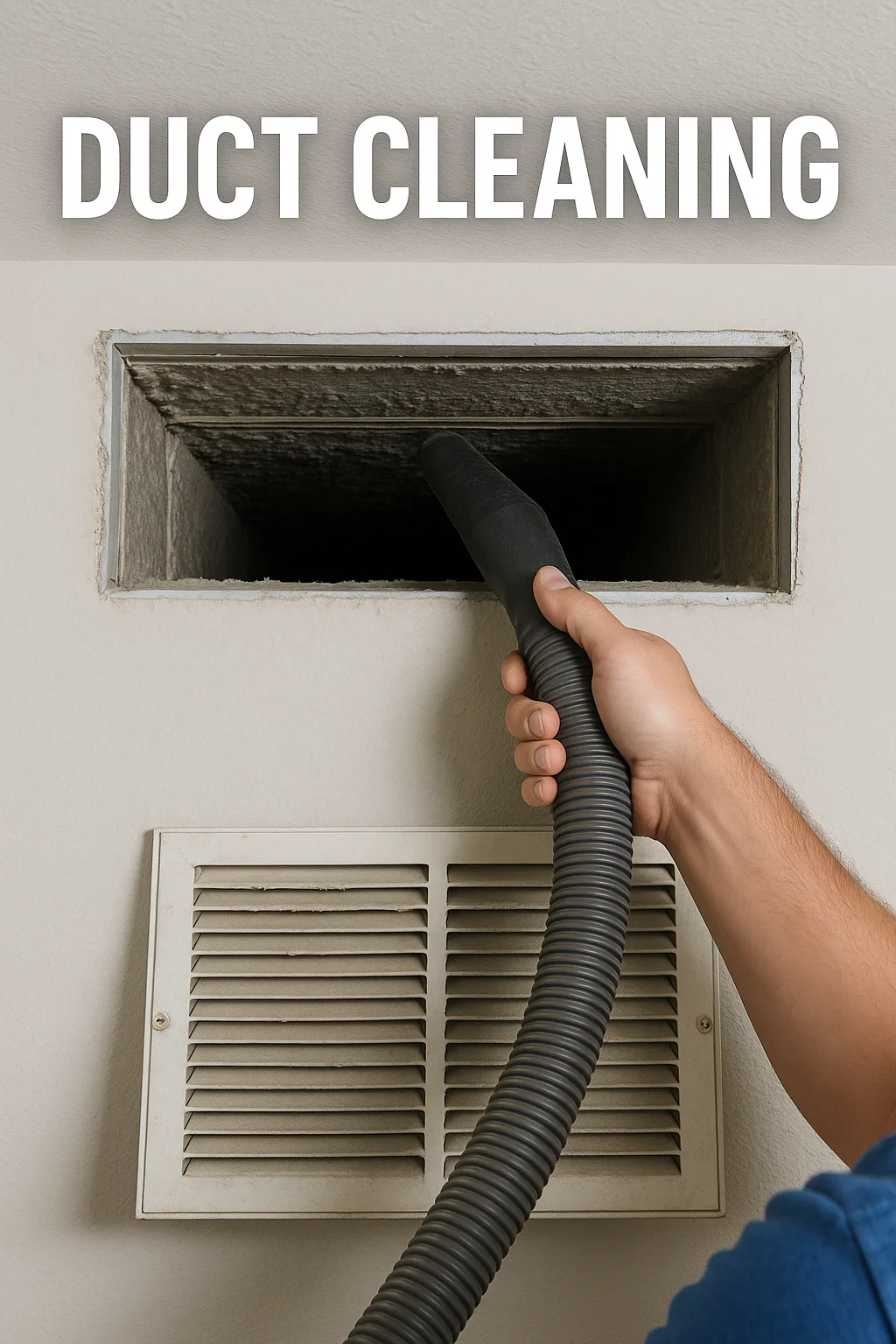
When it comes to maintaining HVAC efficiency, airflow, and healthy living spaces, the right selection of tools makes a major difference. Many homeowners consider tackling the job themselves to reduce service expenses, but success depends heavily on proper equipment. Effective tools ensure dust removal, vent access, and system protection without compromising safety. Whether applied in residential properties or for small commercial spaces, informed choices help balance effectiveness, cost, and long-term results in Duct Cleaning.
Why Does Selecting the Right Tools Matter?
Ductwork cleaning requires precision. Using household machines or basic brushes often leaves debris, allergens, or even mold inside vents. The wrong approach can spread particles into the air instead of trapping them. Correct equipment not only supports cleaner airflow but also improves indoor air quality, extends HVAC system life, and prevents unnecessary repairs. Selecting tools designed for duct systems makes both home and commercial cleaning more reliable, offering a higher quality result that keeps the environment fresh and comfortable.
What Common Problems Arise When Choosing Tools?
One common issue is buying vacuums without sufficient suction power. A standard carpet vacuum may appear useful but fails to reach deep inside ducts. Another issue is brush stiffness—hard bristles can scratch ducts, while overly soft ones fail to remove dust. Many people also overlook vent inspection tools, making it hard to confirm cleaning progress. When air duct sanitizing is attempted with the wrong chemicals, poor air conditioning quality and health issues can follow. DIYers may also underestimate challenges in larger buildings where commercial duct cleaning and commercial-grade insulation removal vacuum systems are necessary. Choosing low-quality tools or machines leads to poor reviews, wasted money, and sometimes costly damage.
What Are the Key Benefits of Using the Best Tools?
High-quality tools allow for thorough debris extraction, safe handling of vents, and measurable improvements in HVAC efficiency. They also reduce the chance of mold growth by preventing buildup of moisture and dust. Proper air duct sanitizing equipment helps maintain fresh, clean airflow, while HEPA vacuums trap fine particles. For dryer vent cleaning, specialized brushes and compact vacuums prevent fire hazards and maintain safety. In both home and commercial environments, using tested equipment means less risk, better results, and average cost savings over time compared to frequent professional services.
How Much Do DIY Duct Cleaning Tools Cost?
Prices for equipment vary widely depending on the scale of the task. Residential users may only need affordable brush kits, while commercial systems demand more advanced machines. Below is a cost overview:
| Tool Type | Average Price Range (USD) | Notes |
|---|---|---|
| Basic Hand Brushes | $15 – $40 | Good for small vents in residential cleaning |
| Rotary Brush Kits | $60 – $200 | Attaches to drills, effective for deeper ducts |
| High-Powered Vacuums | $250 – $700 | Essential HVAC tool with HEPA filtration |
| Inspection Cameras | $100 – $400 | Confirms cleaning results inside ducts |
| Sanitizing Sprays/Foggers | $20 – $80 | Designed for air duct sanitizing |
| Commercial-Grade Insulation Removal Vacuum | $1,200 – $3,500 | Needed for large commercial duct cleaning projects |
Disclaimer: Prices represent averages and vary by company, location, and equipment brand. These are guides, not fixed rates.
What Key Features Should Be Prioritized When Selecting Tools?
Several features should be prioritized for safe and effective cleaning. Suction strength and HEPA filtration are crucial for vacuums, preventing dust and mold spores from returning into the home or commercial space. Brush design matters too; nylon bristles provide balance between durability and flexibility. Sanitizing tools should be compatible with HVAC-safe products to protect conditioning systems. Inspection cameras should include LED lighting and long cables for maximum reach. In commercial cleaning, powerful machines like insulation removal vacuums deliver industrial strength that residential tools cannot match. A reliable company or equipment provider with solid reviews ensures better long-term value.
A professional highlights this priority simply: “The effectiveness of duct cleaning depends less on effort and more on the quality of equipment being used to do the job safely and completely.” This emphasizes that equipment selection is about function, not just cost.
How Do These Tools Improve Indoor Air Quality?
The ultimate goal of duct cleaning is to protect and improve indoor air quality. Without cleaning, dust, allergens, mold spores, and debris circulate through HVAC systems, reducing comfort and efficiency. HEPA-filter vacuums and sanitizing sprays help trap contaminants, while rotary brushes loosen dirt from vents and ducts. In homes, this leads to fresher environments and healthier living conditions. In offices or industrial spaces, commercial duct cleaning tools create healthier air for employees and customers. Properly chosen tools ensure fresh, clean airflow and extend the life of HVAC conditioning systems.
FAQS
Q1. Can household vacuums replace duct cleaning machines?
No. Household vacuums, including carpet cleaners, lack the suction and filtration necessary for proper ductwork cleaning.
Q2. How often should residential ducts be cleaned?
Every 2–3 years is average, though homes with pets, smokers, or high dust may need more frequent service.
Q3. Is mold removal possible with DIY tools?
DIY tools may reduce visible mold, but full removal often requires professional service to ensure safety.
Q4. Are DIY tools enough for commercial duct cleaning?
No. Commercial systems need specialized equipment such as commercial-grade insulation removal vacuum machines.
Q5. What safety steps should be taken?
Shut off HVAC systems, wear gloves, masks, and goggles, and use equipment specifically designed for duct cleaning.
Conclusion
Selecting the best tools for DIY duct cleaning requires focusing on quality, cost, and purpose. From rotary brushes and HEPA vacuums to sanitizing sprays and inspection cameras, each tool supports effective ductwork cleaning while protecting HVAC systems. In residential applications, these tools improve indoor air quality, prevent mold growth, and keep vents clean. In commercial environments, powerful machines and specialized equipment ensure thorough results. By balancing cost, features, and reviews, homeowners and businesses can make informed decisions, ensuring fresh air, safe operation, and lasting system performance. Ultimately, using the right tools—whether for home, dryer vent, or larger commercial systems—provides cleaner spaces and reliable long-term value.
Read More: Our Services

 English
 Arabic
 French
 Spanish
 Portuguese
 Turkish
 Dutch
Dutch
 Italiano
 Russian
 Romaian
 Portuguese (Brazil)
 Tiếng Việt