


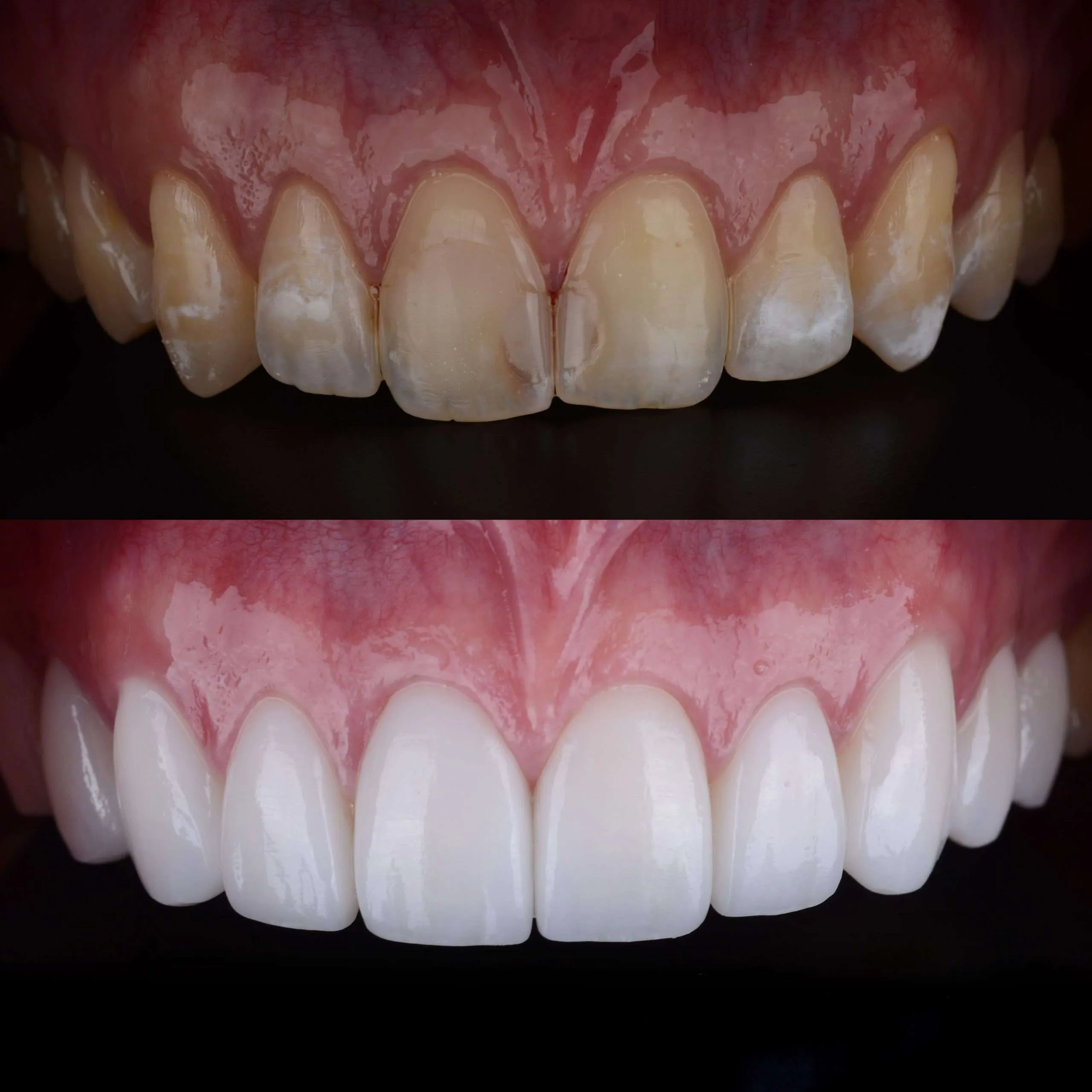
Teeth whitening has become a popular cosmetic dental treatment, offering the promise of a brighter and more confident smile. Many individuals turn to whitening procedures to enhance their appearance and boost self-esteem. While achieving a sparkling set of pearly whites is an exciting prospect, some patients are surprised to experience challenges following the treatment. Understanding these potential issues, recognising their causes, and knowing how to manage them can help patients enjoy the benefits of whitening without unnecessary discomfort.
How Teeth Whitening Works
Teeth whitening treatments primarily work by applying bleaching agents, most commonly peroxide-based solutions, to the enamel. These agents penetrate the tooth surface, breaking down stains and gradually lightening the colour of the teeth. While the main aim is aesthetic improvement, the process can sometimes affect the structure and sensitivity of the teeth and gums temporarily.
There are two main approaches to whitening:
-
Professional In-Office Whitening: Performed under the supervision of a dentist, this method ensures precise application and consistent results. In-office treatments generally provide faster whitening and reduce the risk of complications compared to home-based kits.
-
At-Home Whitening Kits: These kits are available over the counter or through dental prescriptions. While convenient, at-home treatments require careful use to avoid overexposure to bleaching agents, which can increase sensitivity or cause gum irritation.
Professional guidance is essential, particularly for those with pre-existing dental conditions, as it can significantly reduce the likelihood of unexpected challenges.
Common Post-Whitening Challenges
Although many patients experience only mild and temporary effects, certain factors can lead to more significant discomfort. Recognising these challenges early allows patients to take preventive action or seek timely professional support.
1. Tooth Sensitivity
Tooth sensitivity is one of the most commonly reported issues following whitening treatments. Bleaching agents can temporarily dehydrate the enamel, exposing the dentin and nerve endings. This can result in sharp or lingering discomfort.
Triggers include:
-
Existing enamel erosion or cavities
-
Extended exposure to bleaching agents, whether in-office or at home
-
Repeated whitening sessions without allowing teeth sufficient recovery time
Management tips:
-
Use desensitising toothpaste or gels designed for sensitive teeth
-
Avoid very hot or cold foods and beverages immediately after treatment
-
If sensitivity persists beyond a few days, consult a dental professional to rule out underlying issues
2. Gum Irritation or Burns
Gum irritation is another common post-whitening problem. It usually occurs when whitening gel comes into contact with soft tissues. Improper application, poorly fitting trays, or accidental spillage can all contribute to this issue.
Symptoms may include:
-
Redness along the gum line
-
Mild swelling or tenderness
-
Small blisters or sores in more severe cases
Relief measures:
-
Rinse with water or a saline solution
-
Avoid brushing aggressively until irritation subsides
-
Use a soft-bristled toothbrush to prevent further trauma
Persistent or severe irritation may require consultation with a private dentist in Wrexham to ensure the gums heal properly and prevent long-term damage.

3. Uneven Whitening and Aesthetic Concerns
Sometimes whitening results can appear uneven. Differences in enamel thickness, pre-existing dental restorations such as crowns or veneers, and stubborn stains can all contribute to uneven results.
Preventive and corrective strategies:
-
Conduct touch-up treatments only under professional supervision
-
Avoid repeated at-home bleaching, which can exacerbate unevenness
-
Follow post-treatment care recommendations carefully
Uneven whitening may not always be painful, but excessive attempts to correct it can weaken enamel and increase sensitivity.
4. Allergic Reactions
Although rare, some patients may experience allergic reactions to chemicals used in whitening gels. Reactions can range from mild irritation to more serious inflammation, requiring prompt attention.
Signs to watch for include:
-
Persistent redness or swelling of the gums or lips
-
Itching or rash inside the mouth
-
Difficulty swallowing or breathing (seek immediate medical attention if these occur)
Due to the unpredictability of allergic reactions, professional supervision and patch tests are recommended, especially for those with a history of allergies.
Lifestyle and Health Factors That Increase Risk
Certain pre-existing dental conditions and lifestyle habits can heighten the risk of post-whitening complications:
-
Cavities and enamel erosion: Teeth with weakened enamel are more vulnerable to sensitivity and discomfort
-
Gum disease or inflammation: Compromised gums are more likely to react adversely to whitening agents
-
Dental restorations: Crowns, veneers, or fillings may respond differently to bleaching treatments
-
Lifestyle habits: Smoking and frequent consumption of coffee, tea, or red wine can exacerbate staining and sensitivity
A professional assessment prior to whitening can identify these risk factors and ensure a safe treatment plan.
Preventive Measures to Minimise Challenges
Taking precautions before, during, and after whitening can greatly reduce the likelihood of experiencing unexpected pain or complications.
Professional Consultation
-
Schedule a thorough oral examination to check for cavities, enamel erosion, or gum issues
-
Receive personalised recommendations for safe whitening products and methods
Safe Product Use
-
Carefully follow instructions for at-home whitening kits
-
Avoid overexposure to bleaching agents
-
Consider professional treatments to ensure controlled and effective whitening
Post-Treatment Care
-
Use desensitising toothpaste or gels to ease sensitivity
-
Avoid acidic or highly pigmented foods and drinks for at least 48–72 hours
-
Rinse your mouth after meals to remove pigments and protect enamel
Regular Check-Ups
-
Monitor enamel and gum health to address discomfort promptly
-
Ensure follow-up treatments or touch-ups are performed under professional guidance
Table: Key Prevention Tips
| Challenge | Preventive Measures |
| Tooth Sensitivity | Use desensitising toothpaste; avoid extremes |
| Gum Irritation | Ensure gel does not contact gums; rinse promptly |
| Uneven Whitening | Professional supervision; avoid repeated home use |
| Allergic Reactions | Conduct patch test; consult dentist |
The Role of Professional Support
Professional dental guidance is key to both preventing and managing post-whitening challenges. Dentists can:
-
Conduct thorough oral examinations to identify potential risks
-
Recommend whitening methods and products suited to individual dental health
-
Provide post-treatment care instructions to reduce discomfort
-
Offer solutions for complications, including emergency interventions if needed
Opting for services such as teeth whitening Wrexham ensures that treatments are both safe and effective, minimising the chances of unexpected pain.
Video Link : https://vimeo.com/1063145935/4915df4519?share=copy
Conclusion
Teeth whitening is a highly effective way to enhance your smile, but it can sometimes lead to unexpected challenges such as tooth sensitivity, gum irritation, uneven results, or allergic reactions. Pre-existing dental conditions, lifestyle habits, and improper use of whitening products can further increase the likelihood of discomfort.
By prioritising preventive measures, seeking professional guidance, and adhering to proper aftercare, most post-whitening issues can be avoided. For residents in Wrexham, consulting a trusted dental practice ensures safe, high-quality whitening treatments and effective management of any complications. With professional support, patients can maintain a bright, healthy smile while safeguarding their overall oral health.

 English
 Arabic
 French
 Spanish
 Portuguese
 Deutsch
 Turkish
 Dutch
Dutch
 Russian
 Romaian
 Portuguese (Brazil)
 Tiếng Việt