


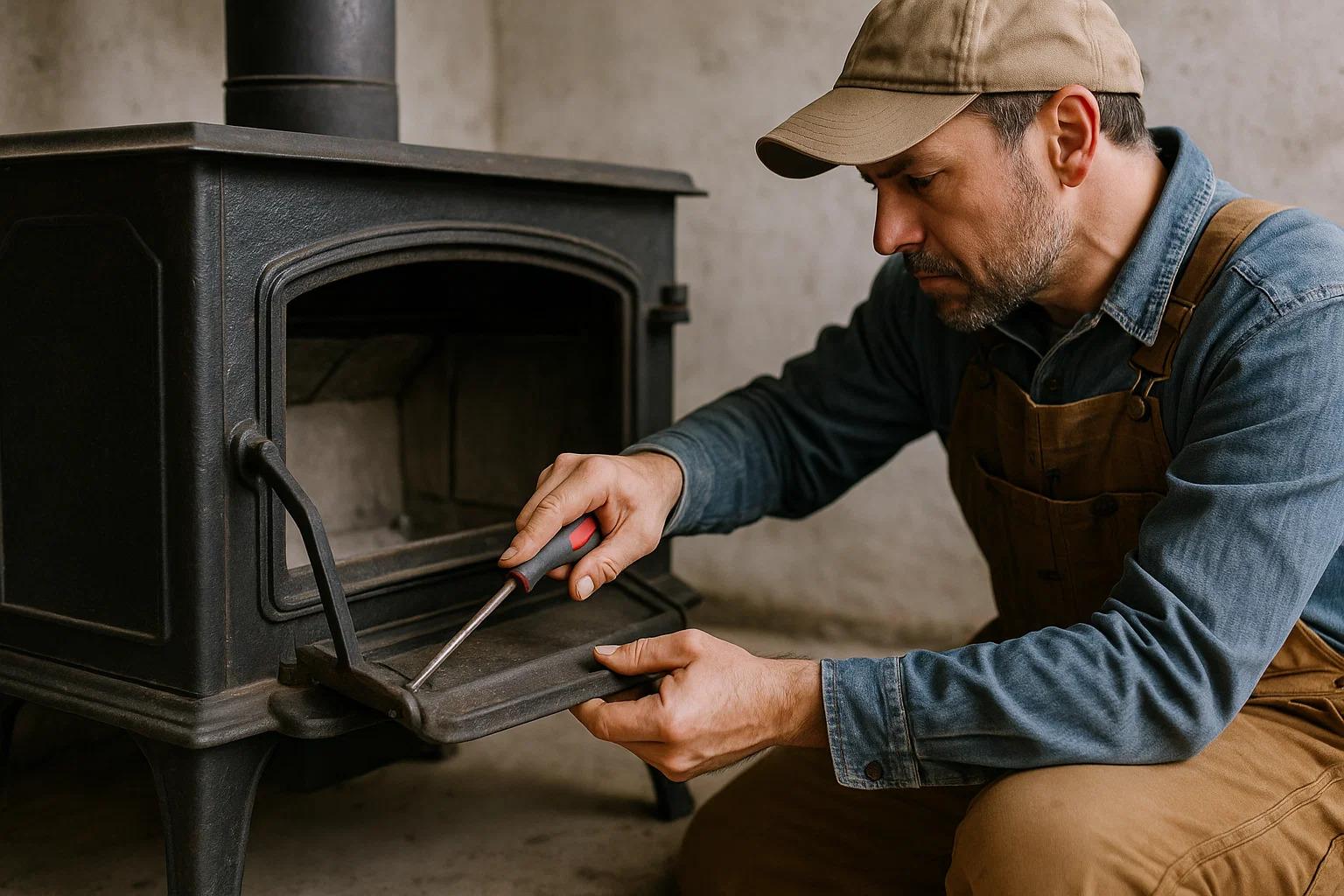
Keeping a heating system safe and efficient requires regular maintenance and the right tools. Whether dealing with a traditional wood stove, a modern pellet unit, or even a coal burner, knowing which tools to use ensures the system works properly and avoids long-term damage. Small tasks like gasket replacement, glass cleaning, or ash removal can be completed at home, but only if the correct equipment is available. That’s why homeowners benefit from understanding the essentials of wood stove repair.
Why It Matters?
Wood stoves, furnaces, and similar burners are central to many homes, especially in colder areas where reliable heat is non-negotiable. Over time, parts loosen, seals degrade, and buildup from burning fuels can compromise safety. Professional technicians and repairmen emphasize that proper servicing prevents fire hazards, increases energy efficiency, and extends the stove’s lifespan. Without cleaning and routine checks, a stove may struggle to maintain consistent heat or risk structural damage. Using the right repair tools is a core part of preventative maintenance.
What Are the Common Problems That Require Tools?
Several recurring problems call for repair tools. Door gaskets in stoves and furnaces often wear down, causing air leaks that disrupt burning efficiency. Glass panels in woodstoves or pellet stoves may loosen or become coated in soot, requiring a cleaner designed for high-heat surfaces. Ash buildup from coal or wood fuel is another common issue, demanding shovels, vacuums, or brushes for safe removal. Rust forms when stoves are stored in damp areas, while cracked firebricks inside the burner chamber can weaken the structure. Each of these issues can be addressed effectively when proper repair tools are available.
What Are the Key Benefits of Having Proper Tools?
The right tools support more than just repairs—they make regular servicing simpler and safer. First, they enable homeowners to handle small cleaning and repair tasks instead of depending solely on nearby shops or emergency services. Second, proper equipment improves performance by keeping burners, doors, and internal components functioning correctly. Third, tools designed for stove maintenance ensure repairs last longer, reducing the frequency of breakdowns. Finally, keeping tools on hand allows consistent furnace doors servicing, ensuring the furnace or stove continues to provide safe, efficient burning over time.
What Is the Cost Breakdown of Essential Tools?
Repair tools for stoves, burners, and furnaces are generally affordable. Prices vary depending on material quality and whether they are purchased online or in local shops. Below is a basic breakdown:
| Tool | Purpose | Average Price Range |
|---|---|---|
| Screwdrivers & Wrenches | Accessing stove panels, tightening burner bolts | $10 – $30 |
| Wire Brush or Cleaner | Rust and creosote removal during servicing | $8 – $20 |
| Gasket Cement & Rope Gasket | Sealing woodstove or furnace doors | $15 – $40 |
| Firebrick Replacement Set | Repairing cracked burner chambers | $25 – $70 |
| Heat-Resistant Gloves | Protecting hands during repairs | $15 – $35 |
| Ash Vacuum or Shovel | Safe cleaning of coal or wood ash | $30 – $150 |
| Stove-Safe Glass Cleaner | Keeping visibility clear in pellet or Harman stoves | $10 – $25 |
Disclaimer: Prices are estimates and may vary based on brand, supplier, and area.
What Key Features Should You Look for in Repair Tools?
Not all tools serve the same purpose, so understanding what makes them effective is essential. Durability matters because woodstove and furnace tools must withstand repeated servicing in high-heat conditions. Safety-focused features, like non-slip grips or insulated gloves, help prevent accidents. When selecting a cleaner, choose products labeled as stove-safe to protect glass surfaces exposed to burning heat. Ash vacuums should be specifically designed for stoves, since standard household vacuums are unsafe near hot debris. Even simple items, like brushes, work best when made from stainless steel bristles for tough deposits. Selecting tools with these features ensures smooth repairs and long-term performance.
“Using the right tool for the right repair not only makes the job easier but also ensures safety and long-term performance.”
FAQS
What type of screwdriver is most commonly used?
Both flathead and Phillips screwdrivers are essential for woodstove repairs and general servicing.
How often should stove gaskets be replaced?
Gaskets should be checked annually and replaced every one to two years, depending on how frequently the stove or furnace is burning.
Can standard glass cleaner be used on stove doors?
No, only stove-specific cleaners should be used, especially for pellet or Harman models, as they withstand higher temperatures safely.
Do cracked firebricks require immediate repairs?
Yes, firebrick repairs should be completed quickly to protect the burner chamber and surrounding stove area.
Is an ash vacuum necessary for cleaning?
Yes, ash vacuums are designed to safely collect fine ash from wood, coal, or pellet stoves without spreading harmful dust.
Can rust be removed without a wire brush?
Light rust may be managed with sandpaper, but a sturdy wire brush works best for deeper stove cleaning and repairs.
Conclusion
Equipping yourself with the right tools for wood stove repair supports safer, more efficient heating. From routine cleaning of ash to gasket servicing, each task is easier and more effective with proper equipment. Whether handling a woodstove, coal burner, pellet unit, or even a furnace, consistent maintenance with quality tools prevents costly repairs and extends performance. Professional services and repairmen remain valuable for complex issues, but many small repairs can be completed confidently at home. Prioritizing durable tools, reliable cleaners, and regular servicing ensures every stove continues to provide dependable warmth season after season.
Read More: Chimney Sweep Louisville

 English
 French
 Spanish
 Portuguese
 Deutsch
 Turkish
 Dutch
Dutch
 Italiano
 Russian
 Romaian
 Portuguese (Brazil)
 Tiếng Việt