


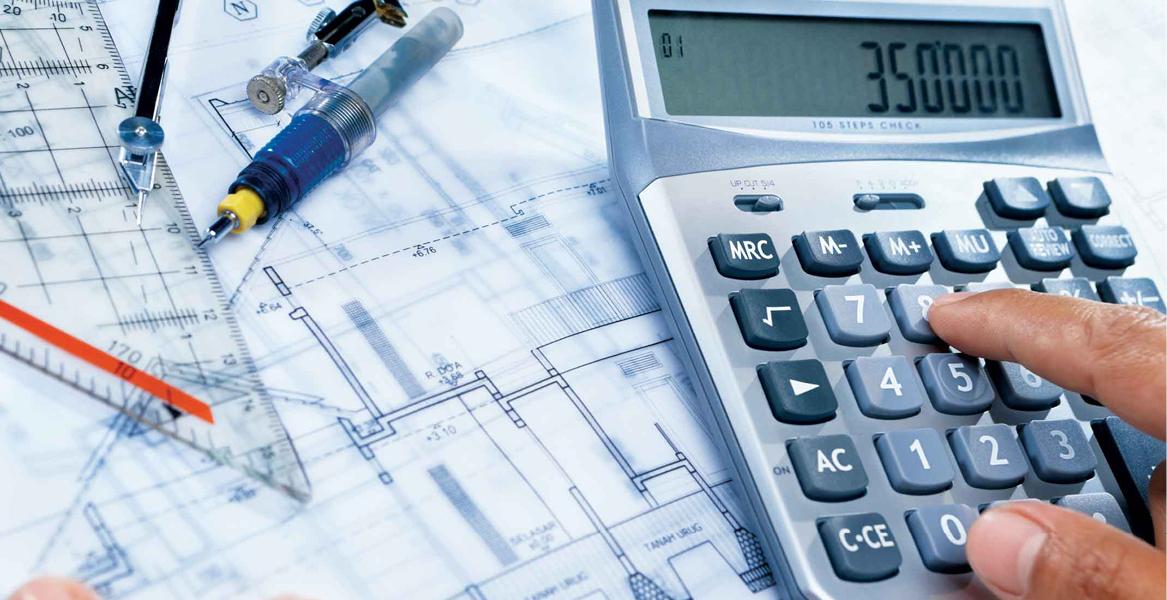
In the construction industry, accurate cost estimation is one of the most critical factors that determine the success of a project. For contractors and builders, managing resources, staying within budget, and meeting deadlines all hinge on having precise numbers. Concrete, being one of the most widely used construction materials, requires special attention during project planning. This is where concrete estimating services come into play.
Concrete estimating services help contractors and builders streamline the bidding process, control costs, and ensure projects are executed smoothly. In this guide, we’ll explore everything you need to know about concrete estimating services, including their benefits, process, and tips for choosing the right provider.
What Are Concrete Estimating Services?
Concrete estimating services involve the calculation of costs, materials, labor, and equipment needed for concrete-related construction projects. These services go beyond just material quantities; they include:
-
Takeoffs (measuring the exact volume of concrete, rebar, and formwork required)
-
Labor costs (wages for workers, finishers, and supervisors)
-
Equipment expenses (mixers, pumps, scaffolding, etc.)
-
Overhead and profit margins
-
Waste factors (material loss or miscalculations)
By outsourcing these calculations to professional estimators or specialized companies, contractors and builders can save time and avoid costly errors.
Why Contractors and Builders Need Concrete Estimating Services
Concrete projects are complex. From foundations and slabs to walls and driveways, even the smallest miscalculation can lead to project delays and financial losses. Contractors and builders rely on estimating services for the following reasons:
-
Accuracy in Project Bids
An accurate estimate helps contractors win more bids by presenting realistic and competitive proposals. Overestimating may scare clients away, while underestimating can hurt profitability. -
Cost Control
With precise takeoffs and pricing, builders can manage their budgets more effectively and avoid unnecessary expenses. -
Time Efficiency
Preparing estimates manually is time-consuming. Outsourcing allows contractors to focus on project execution rather than number crunching. -
Reduced Risk of Errors
Professionals use advanced software and industry knowledge to reduce the chances of costly miscalculations. -
Scalability for Projects
Whether it’s a small residential job or a large-scale commercial project, estimating services scale with project size and complexity.
The Concrete Estimating Process
Understanding how concrete estimating services work gives contractors confidence in the process. Here’s a step-by-step breakdown:
1. Project Review
The estimator examines blueprints, drawings, and specifications to understand project requirements.
2. Quantity Takeoff
Precise measurements are made to calculate the amount of concrete, rebar, formwork, and other materials needed. Tools like PlanSwift, Bluebeam, and AutoCAD are often used.
3. Labor and Equipment Calculation
The estimator considers labor costs based on project size and local wage rates, along with necessary machinery.
4. Costing and Pricing
Material prices are sourced from suppliers, and labor rates are adjusted according to the market. This ensures up-to-date and realistic pricing.
5. Overheads and Markups
The estimator factors in overheads such as transportation, storage, and contingencies. A markup is also applied to ensure profit margins.
6. Final Estimate Report
The client receives a detailed report, which can be used for bidding, project planning, or securing financing.
Benefits of Using Professional Concrete Estimating Services
Let’s dive deeper into why professional estimating services are invaluable for contractors and builders:
-
Win More Projects: A polished and competitive bid improves credibility with clients.
-
Save Money: Accurate estimates prevent waste and reduce budget overruns.
-
Boost Efficiency: By outsourcing estimates, contractors save hours of manual work.
-
Better Resource Allocation: Contractors can assign labor, materials, and equipment efficiently.
-
Confidence in Numbers: Accurate data allows contractors to negotiate better with suppliers and subcontractors.
Common Challenges in Concrete Estimation
Even with the best tools, estimating concrete comes with challenges. Here are some common issues contractors face:
-
Price Fluctuations: Cement, steel, and aggregates often fluctuate in price.
-
Project Scope Changes: Alterations in design or client requirements can disrupt estimates.
-
Hidden Costs: Transportation delays, weather impacts, or site complications may increase costs.
-
Human Error: Manual estimation is prone to mistakes that can impact the entire project.
Professional estimating services help mitigate these risks by using data-driven strategies and advanced software.
Choosing the Right Concrete Estimating Services Provider
Not all estimating service providers are the same. Here are a few tips for selecting the right one:
-
Experience and Expertise
Look for companies with proven experience in concrete projects. Ask for portfolios or case studies. -
Use of Technology
Providers that use advanced estimating software tend to deliver more accurate results. -
Turnaround Time
Timely estimates are crucial, especially during competitive bidding. -
Cost of Services
While affordability matters, don’t compromise on accuracy for lower fees. -
Customer Reviews
Check testimonials or references to evaluate the provider’s reliability and professionalism.
The Role of Technology in Concrete Estimation
Technology has transformed how estimates are created. Instead of manual calculations, most professionals now use software tools such as:
-
PlanSwift – For digital takeoffs
-
Bluebeam Revu – For document management and markups
-
On-Screen Takeoff (OST) – For detailed quantity takeoffs
-
Sage Estimating – For cost analysis and project tracking
These tools improve accuracy, reduce errors, and speed up the estimation process.
Final Thoughts
Concrete estimating services are no longer optional; they are a necessity for contractors and builders aiming to stay competitive in the modern construction industry. By leveraging these services, contractors can:
-
Submit winning bids
-
Manage costs effectively
-
Avoid errors and delays
-
Improve overall project efficiency
In an industry where precision and timing are everything, professional concrete estimating services provide the competitive edge contractors and builders need. Whether you’re handling small residential foundations or massive commercial developments, accurate estimation ensures your projects are built on a solid foundation—not just in concrete, but also in financial planning.

 English
 Arabic
 French
 Spanish
 Portuguese
 Deutsch
 Turkish
 Italiano
 Russian
 Romaian
 Portuguese (Brazil)
 Tiếng Việt