


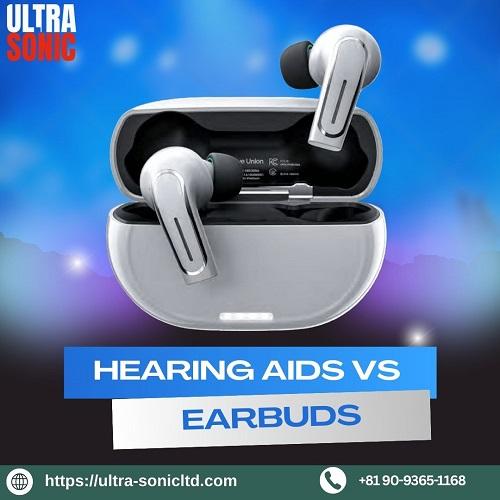
In today’s fast-paced digital world, technology plays a vital role in how we connect with others, enjoy entertainment, and enhance our daily lives. Two popular sound-enhancing tools—hearing aids and earbuds—often get compared, but their purposes, benefits, and limitations are quite different. For someone looking to improve their hearing experience or simply enjoy high-quality audio, understanding the differences in Hearing Aids vs Earbuds is essential.
This guide provides an in-depth comparison of both devices, helping you make a well-informed decision. Whether you need medical assistance for hearing loss or simply want better sound for music and calls, the right choice can significantly improve your lifestyle.
Understanding the Purpose of Each Device
Hearing Aids
Hearing aids are medically designed devices created to address varying degrees of hearing loss. They amplify sounds selectively, ensuring that speech and environmental noises are clear without overwhelming the user. Modern versions are discreet, rechargeable, Bluetooth-enabled, and capable of noise cancellation.
Key features of hearing aids include:
-
Tailored sound amplification for different frequencies.
-
Feedback suppression to prevent whistling.
-
Wireless connectivity for smartphones and televisions.
-
Long-term comfort and discreet designs for everyday wear.
Earbuds
Earbuds, on the other hand, are consumer electronic devices designed primarily for entertainment. They allow users to listen to music, watch videos, or make calls in private. While some high-end earbuds come with features like active noise cancellation, they are not medical devices and cannot treat hearing loss.
Key features of earbuds include:
-
Compact and stylish design.
-
Bluetooth connectivity with smartphones and tablets.
-
Active noise cancellation for immersive audio experiences.
-
Affordability compared to hearing aids.
Hearing Aids vs Earbuds: The Core Differences
When comparing Hearing Aids vs Earbuds, it’s essential to focus on their primary function and the value they provide.
-
Purpose
-
Hearing aids: Correct hearing difficulties and improve speech clarity.
-
Earbuds: Deliver high-quality music or call audio but do not address medical hearing issues.
-
-
Technology
-
Hearing aids: Advanced sound processing, background noise reduction, and personalized amplification.
-
Earbuds: Focus on bass, treble, and immersive sound for entertainment.
-
-
Cost
-
Hearing aids: Typically more expensive because of medical-grade technology and customization.
-
Earbuds: More affordable but lack medical-grade sound correction.
-
-
Comfort
-
Hearing aids: Designed for all-day wear with lightweight, ergonomic designs.
-
Earbuds: Suitable for short-term use but may cause discomfort if worn for extended periods.
-
-
Battery Life
-
Hearing aids: Rechargeable options last up to a full day or more.
-
Earbuds: Usually provide a few hours of playback before requiring a recharge.
-
Benefits of Hearing Aids
For people experiencing hearing loss, hearing aids provide life-changing benefits. Some advantages include:
-
Improved Communication: Clearer conversations in noisy environments.
-
Cognitive Health: Studies show that addressing hearing loss reduces risks of cognitive decline.
-
Customization: Programs tailored to your specific hearing profile.
-
Discreet Designs: Modern devices are nearly invisible.
Benefits of Earbuds
Earbuds may not solve hearing issues, but they remain highly useful for everyday audio needs. Benefits include:
-
Entertainment: Perfect for music lovers and streaming enthusiasts.
-
Portability: Easy to carry, lightweight, and compact.
-
Affordability: Budget-friendly compared to medical devices.
-
Style: Sleek, fashionable designs appeal to younger audiences.
Limitations of Earbuds for Hearing Needs
While earbuds are excellent for entertainment, relying on them as an alternative to hearing aids can cause challenges:
-
They don’t amplify specific speech frequencies for people with hearing loss.
-
Prolonged use at high volume may damage hearing further.
-
Earbuds lack medical-grade technology needed for treating hearing conditions.
Modern Innovations Bridging the Gap
Interestingly, some modern earbuds have introduced features like ambient sound mode or conversation transparency, which allow external sounds to pass through while listening to music. While this makes them more versatile, they still cannot replace hearing aids in functionality.
Hearing aids, on the other hand, have embraced consumer-friendly innovations, such as:
-
Bluetooth streaming for music and calls.
-
Rechargeable batteries for convenience.
-
AI-driven sound processing to adapt to different environments.
This convergence means the gap between entertainment and medical devices is narrowing, but they still serve different core purposes.
Choosing the Right Option
When deciding between Hearing Aids vs Earbuds, ask yourself the following questions:
-
Do I experience difficulty hearing conversations, especially in noisy environments?
-
Am I looking for a medical solution or just high-quality entertainment audio?
-
How much time per day do I plan to wear the device?
-
What is my budget?
-
Do I need customization and medical-grade support, or do I want simple plug-and-play audio?
If you are experiencing hearing loss, hearing aids are the superior choice. If you only want entertainment and occasional call clarity, earbuds may be sufficient.
Why Expert Guidance Matters
A professional audiologist can help you determine whether your hearing challenges require medical devices or if consumer-grade earbuds will suffice. Regular hearing check-ups are crucial, especially as untreated hearing loss can affect mental health, social life, and overall well-being.
The Role of Ultrasonic in Better Hearing
At Ultrasonic, our focus is on providing advanced hearing solutions tailored to modern lifestyles. We design and deliver innovative devices that combine medical accuracy with everyday convenience, ensuring that people experience sound with clarity, comfort, and confidence.
Final Thoughts
The debate around Hearing Aids vs Earbuds is not about which is better overall, but which is better suited to your needs. Hearing aids are medical devices designed to restore and enhance hearing, while earbuds are lifestyle products created for entertainment. Each serves a valuable purpose, and understanding their differences helps you choose the right solution for your unique situation.
In the end, the best sound option depends on your goals—whether it’s clearer hearing for everyday communication or immersive audio for leisure. By making an informed choice, you can enjoy a life full of better sound experiences.

 English
 Arabic
 French
 Spanish
 Portuguese
 Deutsch
 Turkish
 Dutch
Dutch
 Russian
 Romaian
 Portuguese (Brazil)
 Tiếng Việt