


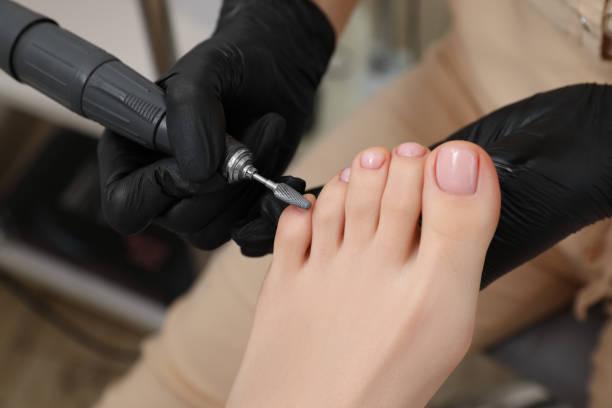
Most people don’t spend much time thinking about their toes until something feels wrong. A crack, a break, a nail that decides to grow sideways just to make life harder. But once you hear about toe nail enhancements, it’s like a small doorway opens into a world you didn’t even know existed. Not a glamorous world, exactly. More like a practical one where you finally fix the stuff you’ve been quietly annoyed about for years. And when they’re used right, they’re honestly worth it.
Why People Even Think About Enhancing Toenails
Toenails aren’t friendly. They grow slowly, they’re stubborn, and when they get damaged, they stay damaged for a long time. So when people start looking for ways to make their toes look cleaner, more even, or just less embarrassing, I don’t blame them. Enhancements aren’t about vanity most of the time. They’re more like a tool. A patch-up job. A temporary fix that helps you feel decent wearing sandals again instead of hiding in sneakers every day. And when done properly, they work surprisingly well.
The Types of Enhancements That Make Sense
There are a few ways techs handle toenail enhancements, but not all of them are created equal—honestly, some should stay in the “bad idea” bin forever. The ones that actually help tend to be the simpler approaches. Acrylic overlays, for example, are great when a toenail is cracked or too thin to hold shape on its own. They don’t turn your toes into bulky, plastic-looking blocks. They just reinforce what’s already there.
Gel builds are another route, softer and more flexible, which is usually better for toes that get squeezed around in shoes all day. Gel smooths uneven nails and gives everything a cleaner look without feeling heavy. And then there are prosthetic toenails, which sound a bit dramatic but genuinely change lives for people who’ve lost a nail due to trauma or a medical issue. They’re not perfect, but they look surprisingly natural.
Dip powder—well, it exists. But on toes, it’s usually more hassle than anything else. Most people end up skipping it after one try.
When Toe Nail Enhancements Are Actually Worth It
This is the part that matters. Enhancements aren’t for everyone, and they’re definitely not something you get just because you saw a cute design online. They shine when you’ve got real issues to fix. Damage is the big one. If you’re dealing with a split nail, lifting, weird growth from a past injury, or something that just won’t grow right, enhancements can give the natural nail time to grow without constant breaking.
Some people have naturally uneven or misshapen nails—curved too much, too wide, too short. Enhancements can balance things out so your feet look more symmetrical. And yes, if you’re getting the best pedicure in Columbia MD, adding a small enhancement on a problem toe makes the results last longer. It’s one of those quiet tricks people use but rarely admit to.
They’re also great for covering up a missing or partial nail. This is probably where enhancements help the most. People walk into a salon, embarrassed and walk out with toes they don’t feel the need to hide. That moment alone makes the service worth it.
On the flip side, enhancements aren’t worth it if you’re chasing long, dramatic fake toenails. Toe extensions look good for maybe five minutes, and then they start catching on socks and bedding like they’re trying to fight you. The same goes for getting enhancements when you’ve got untreated fungus. That’s a straight-up recipe for disaster. And if you’re someone who won’t keep up with maintenance? The enhancements will outgrow themselves into a weird, lumpy situation fast.
How Long They Actually Last
People love saying toe enhancements last eight weeks. Maybe in a dream. Realistically, four to six weeks is the window. Toenails grow slower, but your shoes hammer them all day. That constant pressure wears down the product fast. If you run or work long hours on your feet, expect even less time before you need a touch-up.
The Safety Side No One Talks About Enough
Here’s the part everyone glosses over: toenails are trickier than fingernails. They’re thicker, the shape is more unpredictable, and more underlying issues are hiding under the surface. That means you need someone who knows what they’re doing. A good tech won’t build thick, heavy layers that cause pressure. They’ll leave a little space around the cuticle so the nail can grow without getting jammed. They’ll check for any fungal or medical concerns before applying anything. Toe work is specialty work, not just a cute add-on.
If your tech seems unsure or treats toes like tiny fingers? That’s your cue to politely leave.
Does It Hurt?
It shouldn’t. A little pressure while shaping is normal. Burning, pinching, or that deep, throbbing heat under the product is not normal. That usually means the enhancement is too thick or touching skin. Say something immediately. Don’t sit there silently suffering like you’re being graded on quiet bravery.
Making Enhancements Last Longer
The secret is pretty simple. Wear shoes that actually fit. Dry your toes properly after showers. A quick wipe doesn’t cut it. Use cuticle oil, even though it feels like something only manicure people do. And don’t pick at the product—ever. That’s the fastest way to ruin your nails.
The Real Cost of Enhancements
Money-wise, toe enhancements aren’t that expensive. The real commitment is the upkeep. You’ll need fills, you’ll need to avoid rough home pedicures, and you’ll need to get used to the slightly odd feeling at first. But for a lot of people—especially those who feel self-conscious about their feet—the confidence boost is worth every bit of the effort.
Conclusion: The Honest Take
Toenail enhancements aren’t a luxury thing. They’re practical. They make damaged or uneven nails look normal again. They protect nails that need time to grow. They keep a good pedicure looking good for longer. And yes, when done properly, they can make you feel better about showing your feet instead of hiding them.
Just don’t go overboard. Keep them short, natural-looking, and functional. Find someone who specialises in toes, not someone improvising. And treat the enhancements with a little care. When everything lines up, they’re absolutely worth it—and they can quietly change the way you feel about your feet.

 English
 Arabic
 French
 Spanish
 Portuguese
 Deutsch
 Dutch
Dutch
 Italiano
 Russian
 Romaian
 Portuguese (Brazil)
 Tiếng Việt