


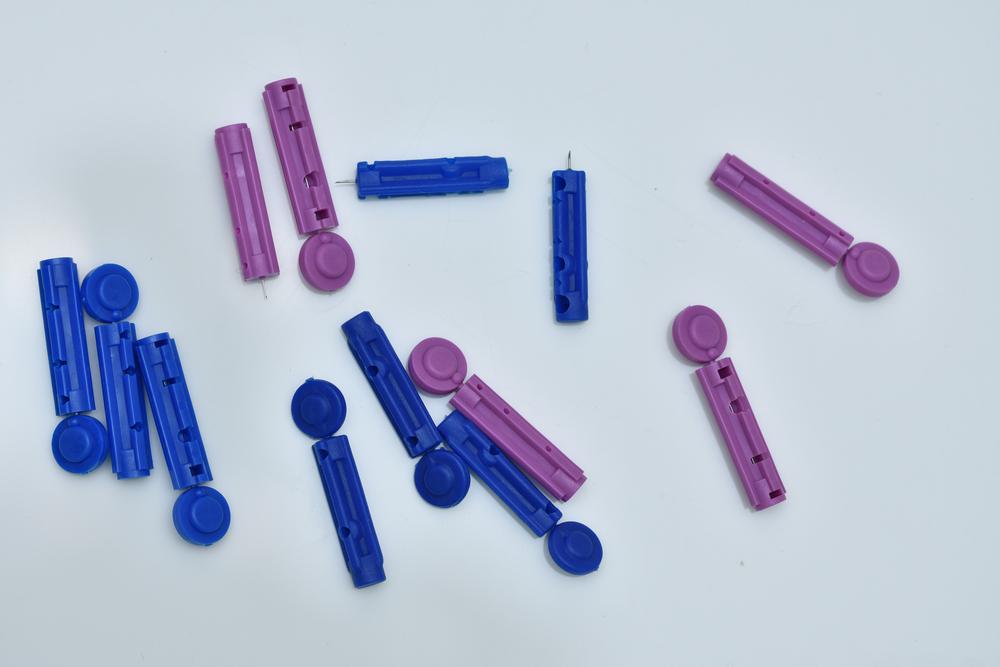
In today’s medical world, accuracy, hygiene, and patient comfort are essential parts of every diagnostic process. Whether it’s monitoring blood glucose levels, collecting small blood samples for tests, or conducting rapid point-of-care assessments, the one tool healthcare professionals rely on consistently is the Lancet Needle. This small, sharp medical instrument is specifically designed to create micro-punctures in the skin for safe, controlled blood sampling. Despite its small size, the lancet needle plays an enormous role across lab diagnostics, home testing, diabetes care, and emergency medicine.
As the demand for convenient and minimally invasive testing grows worldwide, understanding the value and functionality of the Lancet Needle becomes even more important. This blog explores its history, purpose, variations, uses, technologies, safety standards, purchasing considerations, and best practices, giving you a complete perspective on why this simple medical tool continues to be a major part of modern healthcare.
What Is a Lancet Needle?
A lancet needle is a sterile, single-use, disposable medical device used to puncture the skin and obtain capillary blood samples. Its sharp, fine tip allows healthcare providers and patients to collect drops of blood with minimal pain and tissue trauma. Unlike traditional needles, which are long and hollow, a lancet needle is short, straight or curved, and designed for shallow penetration. This makes it ideal for fingerstick tests, heel sticks, and rapid home-based testing kits.
Lancet needles are used across a wide range of medical tests including:
-
Blood glucose testing
-
Hemoglobin level testing
-
Cholesterol panels
-
Rapid infectious disease screenings
-
Home diagnostic monitoring kits
-
Hormonal and fertility test devices
The convenience and precision of a lancet needle make it the top choice for both clinical laboratories and at-home patient testing.
How a Lancet Needle Works
The design behind a lancet needle is intentionally simple yet effective. Its mechanism includes:
1. Single-Use Sterility
Each lancet needle is fully sterile and meant to be used once. This prevents any risk of cross-contamination, infections, or exposure to bloodborne pathogens.
2. Ultra-Fine Needle Points
Modern lancet needles are engineered to minimize pain. Their ultra-thin tips cause only micro-trauma to the skin while providing enough depth to obtain a high-quality blood sample.
3. Controlled Penetration
Safety-engineered models have depth-control features, ensuring the needle enters just far enough for effective sampling but not deep enough to damage the tissue.
4. Compatibility with Lancing Devices
Many lancet needles are designed to fit into spring-loaded lancing devices that enhance comfort and precision.
Types of Lancet Needles Used in Healthcare
Lancet needles are available in various styles, each suited for different applications:
1. Manual Lancet Needles
These are simple, hand-operated lancets commonly used in clinics. They require manual activation and are cost-effective.
2. Safety Lancets
These models feature retracting needles and safety locks to eliminate sharps injuries. They are widely used in hospitals and high-volume testing environments.
3. Lancing Device-Compatible Lancets
These lancets are used with spring-loaded devices that allow adjustable puncture depths for enhanced comfort during routine testing.
4. Pediatric and Neonatal Lancets
Specialized for heel sticks and gentle punctures for infants.
5. High-Flow Lancets
Designed for tests requiring larger blood samples, such as certain infectious disease screens or cholesterol assays.
Each type serves a particular need, making it easier for healthcare providers to select the right model for their testing environment.
Why the Lancet Needle Is Essential for Diabetes Care
One of the most common uses for a lancet needle is diabetes management. Millions of people worldwide depend on lancets to monitor their blood sugar several times daily. For diabetic patients:
-
Lancets enable quick, painless fingersticks.
-
Regular monitoring helps prevent serious complications.
-
Safety lancets provide peace of mind for patients with limited dexterity.
Without the reliability and precision of the lancet needle, blood glucose monitoring would be significantly more difficult and uncomfortable.
Advantages of Using a Quality Lancet Needle
1. Minimally Invasive
Lancets create small punctures, making blood sampling quick and comfortable.
2. Cost-Effective
They are inexpensive yet essential for routine diagnostic screening.
3. Easy to Use
Training patients and staff to use lancets is simple and requires minimal instructions.
4. Safety Engineered
Modern safety lancets protect against needlestick injuries and accidental reuse.
5. Ideal for Point-of-Care Testing
Lancets allow healthcare workers to perform rapid tests anywhere—clinics, ambulances, patient homes, and remote locations.
Applications Beyond Diabetes Care
While lancets are strongly associated with glucose testing, they are indispensable in many other medical fields:
1. Laboratory Testing
Capillary blood sampling for rapid assays.
2. Public Health Screenings
In community health drives, safety lancets are used for large-scale anemia and infection testing.
3. Home Test Kits
COVID-19, hormone tests, vitamin panels, and cholesterol kits rely on lancets.
4. Emergency Medical Services (EMS)
Paramedics use lancets for quick blood glucose or lactate checks during emergencies.
5. Veterinary Use
Small blood samples can be collected safely from animals using specialized lancet needles.
Safety Features of Modern Lancet Needles
Safety in medical settings is a top priority, and lancet manufacturers have significantly improved designs to reduce risks. Key features include:
-
Auto-retracting needles
-
Single-use lockout mechanisms
-
Color-coded gauge sizes
-
Protective caps for easy handling
-
Ergonomic grip designs for user comfort
These features ensure no accidental reuse and minimize needlestick injuries for both healthcare workers and patients.
Gauge Sizes and Depth Settings
Lancet needles come in various gauge sizes—typically ranging from 28G to 33G. The rule is simple:
-
Higher gauge = thinner needle = less pain but lower blood volume
-
Lower gauge = thicker needle = more blood but slightly more discomfort
Depth settings also vary, allowing users to choose shallow, medium, or deeper punctures depending on the test requirements or skin thickness.
How to Choose the Right Lancet Needle
Selecting the correct lancet involves considering several key factors:
1. Purpose of Testing
Routine glucose monitoring requires thin lancets (30G–33G), while high-flow lancets (21G–26G) are ideal for larger sample requirements.
2. Patient Age and Skin Type
Pediatric lancets work best for infants and toddlers, while adjustable-depth lancets suit adults.
3. Type of Lancing Device
Ensure compatibility with devices from brands like Accu-Chek, OneTouch, or True Metrix.
4. Safety Requirements
Hospitals and laboratories prefer safety-engineered, auto-disabling lancets.
5. Budget and Quantity
Lancets are often purchased in bulk, especially for clinics or home monitoring.
Proper Disposal of Lancet Needles
Used lancets are considered biohazardous waste and must be disposed of in FDA-approved sharps containers. Never throw them in household trash because:
-
They can cause needlestick injuries
-
They pose infection risks
-
Local waste management regulations may require specific disposal methods
Clinics should follow OSHA standards for sharps disposal, while home users can drop off sharps containers at approved collection sites or pharmacies.
Sterility Standards and Regulatory Compliance
Lancet needles must adhere to strict regulatory guidelines:
-
ISO 13485 — Quality management for medical devices
-
FDA 510(k) clearance for lancet needle models sold in the U.S.
-
CE Certification for European distribution
-
OSHA bloodborne pathogen standards for safe use and disposal
These regulations ensure lancets meet hygiene, performance, and safety requirements.
Difference Between Lancet Needle and Traditional Needle
Many users confuse lancet needles with regular syringes, but they differ dramatically:
| Feature | Lancet Needle | Traditional Needle |
|---|---|---|
| Purpose | Capillary blood sampling | Injection or blood withdrawal |
| Penetration | Shallow | Deep |
| Use | Fingersticks | Intramuscular, intravenous, subcutaneous injections |
| Safety | Often retractable | Requires manual disposal |
| Skill Level | Minimal | Professional training required |
This makes them safer and more convenient for rapid diagnostic applications.
The Future of Lancet Needle Technology
Innovations continue to improve patient comfort and sampling efficiency:
-
Painless micro-needle arrays
-
Laser lancing tools
-
Smart lancet devices with Bluetooth tracking
-
Improved ergonomic grips for arthritis patients
-
Eco-friendly biodegradable materials
These advancements will transform blood sampling for both clinical and home test users.
Where to Buy High-Quality Lancet Needles
Healthcare providers, clinics, pharmacies, and individuals can purchase lancet needles through:
-
Medical supply distributors
-
Online healthcare marketplaces
-
Local pharmacies
-
Diabetes care centers
-
OEM manufacturers
-
Point-of-care test kit suppliers
It is essential to choose reputable suppliers offering FDA-approved, sterile, and high-precision products.
Conclusion: Why the Lancet Needle Remains an Essential Medical Tool
Despite its small size, the lancet needle remains an incredibly significant tool in healthcare. It makes diagnostic testing safer, easier, and more comfortable for millions of people worldwide. From diabetes management to laboratory screening and emergency diagnostics, this disposable instrument offers reliability and accuracy that other tools cannot match. As medical technology advances, the lancet needle will continue to evolve, ensuring higher precision, improved comfort, and greater safety. For both healthcare professionals and home-testing patients, it remains an indispensable part of modern medical care.

 English
 French
 Spanish
 Portuguese
 Deutsch
 Turkish
 Dutch
Dutch
 Italiano
 Russian
 Romaian
 Portuguese (Brazil)
 Tiếng Việt