
Introduction
When it comes to underground construction, mining, or infrastructure projects, safety and stability are non-negotiable. Excavated tunnels, shafts, and underground chambers all face a similar challenge—how to prevent loose rock, collapses, or erosion from threatening both workers and the long-term integrity of the project. This is where shotcrete becomes indispensable.
Applied at high velocity, shotcrete creates a strong, durable lining that stabilizes rock surfaces and provides immediate structural support. But while the material itself is critical, the real difference lies in selecting experienced shotcrete contractors who understand the unique demands of each project. At the same time, businesses must also evaluate cost factors, such as the shotcrete price per m2, to ensure that projects remain both safe and financially viable.
In this blog, we’ll dive deep into what shotcrete is, why expert contractors matter, how pricing works, and what you should look for when budgeting or hiring professionals for your next project.
What is Shotcrete and Why is it Important?
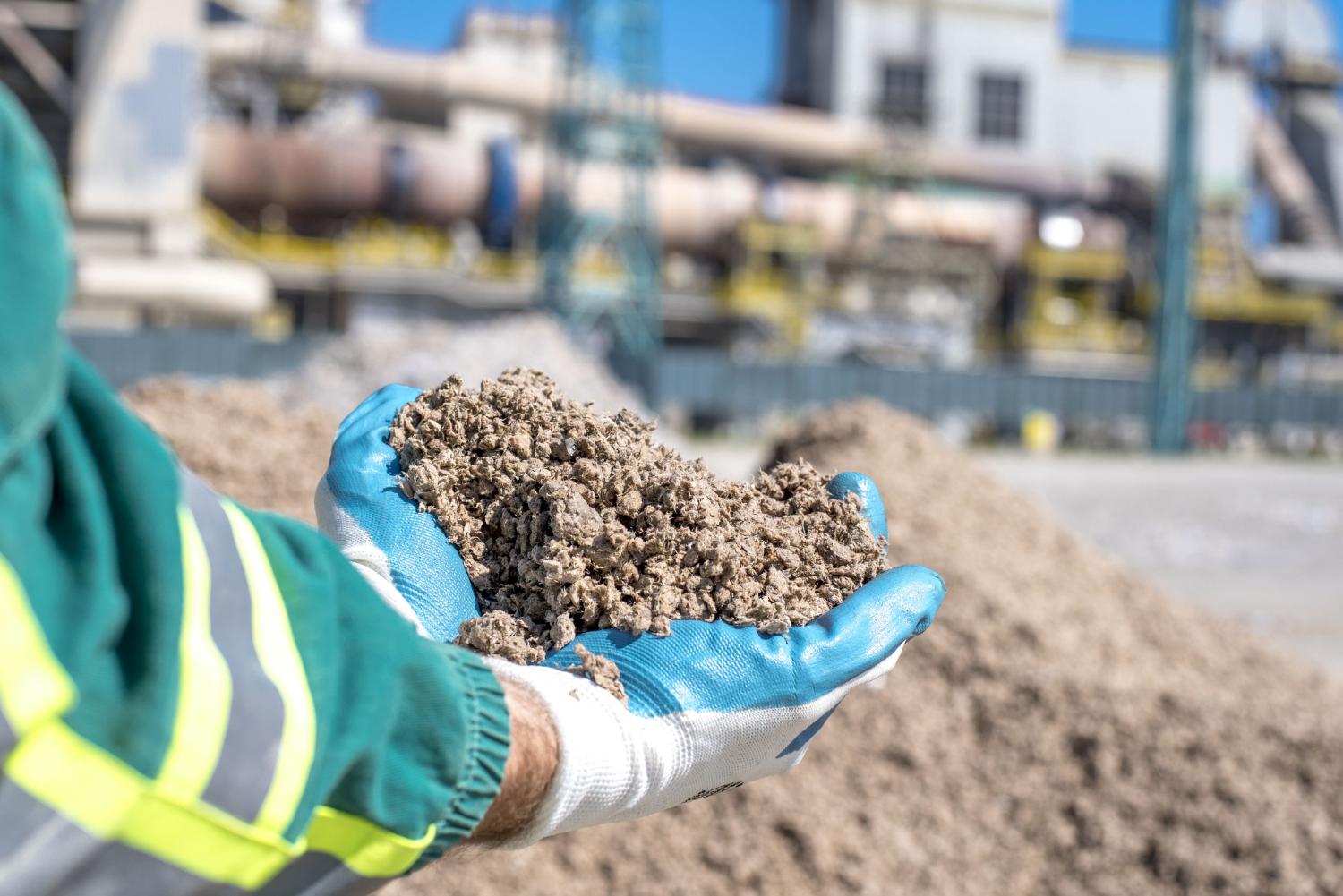
Shotcrete is a method of applying concrete or mortar using compressed air through a hose and nozzle at high velocity. Unlike traditional poured concrete, it adheres directly to rock, soil, or other surfaces without requiring formwork. This makes it invaluable in environments like mining shafts, tunnels, dams, or slope stabilization.
Key benefits include:
-
Immediate stabilization: Shotcrete offers rapid protection against loose rock or soil.
-
Versatility: It can be applied in areas where formwork is impractical.
-
Durability: Modern admixtures and fibers increase its lifespan and resistance to cracking.
-
Efficiency: Faster application speeds up construction timelines.
In mining, for instance, freshly excavated tunnels are prone to rockfalls and collapses. Applying shotcrete creates a stable shell around the excavation, allowing operations to continue safely.
The Role of Shotcrete Contractors
While the material itself is crucial, the success of any project depends heavily on the expertise of shotcrete contractors. Professional contractors bring specialized knowledge, equipment, and experience that ensures the application meets strict safety and engineering standards.
Why Contractors Matter:
-
Precision Application: Incorrect spraying angles, mix ratios, or nozzle handling can weaken the structure.
-
Knowledge of Mix Designs: Contractors understand when to use dry-mix vs. wet-mix shotcrete, and which admixtures will improve performance.
-
Safety Standards: Reputable contractors follow occupational health and safety guidelines, reducing risks to workers.
-
Project-Specific Expertise: Mining projects require different shotcrete techniques than slope stabilization or water infrastructure.
For example, in deep-level gold mining, where seismic activity is common, contractors often use fiber-reinforced wet-mix shotcrete for maximum strength and flexibility.
Factors Affecting Shotcrete Quality
Not all shotcrete applications are created equal. Several factors influence the effectiveness of the final lining:
-
Mix Composition
-
The cement-to-aggregate ratio, water content, and admixtures determine the strength and adhesion of the shotcrete.
Application Technique
-
The nozzle angle, spraying distance, and layer thickness must be carefully controlled to avoid rebound or voids.
Environmental Conditions
-
Humidity, temperature, and underground ventilation affect curing times and long-term durability.
Contractor Skill Level
-
Experienced crews reduce waste, improve finish quality, and ensure the structure complies with engineering specifications.
This is why choosing professional contractors isn’t just an option—it’s a necessity for safety and cost efficiency.
Understanding Shotcrete Price per m2
Budgeting is one of the biggest considerations in any project, and calculating the shotcrete price per m2 is essential for cost planning. Shotcrete pricing is not one-size-fits-all—it varies based on several factors.
Key Cost Drivers:
-
Thickness of Application: Thicker layers require more material and labor.
-
Type of Shotcrete: Wet-mix applications often cost more than dry-mix but provide better results in large-scale projects.
-
Admixtures and Fibers: Additives for faster curing, improved strength, or fire resistance increase material costs.
-
Labor and Equipment: Specialized machinery, such as robotic sprayers, may increase upfront costs but reduce long-term expenses.
-
Location and Logistics: Remote mining projects require more effort to transport materials and equipment.
For example, a tunneling project requiring 100 mm of wet-mix fiber-reinforced shotcrete will have a significantly higher price per square meter than a thin dry-mix layer for slope protection.
Balancing Cost and Safety
One of the biggest mistakes companies make is choosing cheaper, less experienced contractors or cutting corners on shotcrete thickness to save money. While this may reduce upfront expenses, it can lead to catastrophic failures and increased maintenance costs later.
A mine collapse or tunnel instability can cost millions in downtime, repairs, and legal liabilities. In contrast, investing in experienced shotcrete contractors and high-quality materials provides long-term savings through durability, reduced accidents, and fewer repairs.
Think of it this way: shotcrete is not just an expense—it’s an investment in the safety, efficiency, and lifespan of the project.
Case Studies: Shotcrete in Action
Mining in South Africa
South Africa’s deep gold and platinum mines have some of the harshest underground conditions in the world. By combining robotic shotcrete spraying with steel-fiber reinforcement, contractors have drastically reduced accidents and extended tunnel life.
Slope Stabilization in Australia
In regions prone to landslides, shotcrete has been used to stabilize steep slopes near highways. Contractors applied thick, reinforced layers, preventing rockfalls that could have endangered motorists.
Tunneling Projects in Europe
From subway systems in London to the Gotthard Base Tunnel in Switzerland, shotcrete has been used extensively to ensure stability during and after excavation. Pricing varied depending on tunnel size, geology, and reinforcement needs.
Innovations in Shotcrete Application
Modern technology is reshaping how shotcrete is applied, reducing costs and improving results.
-
Robotic Spraying: Increases accuracy, reduces rebound, and minimizes worker exposure to hazardous areas.
-
Fiber-Reinforced Shotcrete: Adds tensile strength, reducing cracking and extending durability.
-
Eco-Friendly Mixes: Incorporating recycled aggregates or low-carbon cements lowers environmental impact.
-
Smart Monitoring Systems: Sensors embedded in shotcrete linings provide real-time data on stress, cracks, and movement.
These innovations are influencing both the shotcrete price per m2 and the long-term value delivered by contractors.
How to Choose the Right Shotcrete Contractors
When selecting a contractor, consider:
-
Experience: Have they worked on similar projects (mines, tunnels, slopes)?
-
Certifications: Do they meet industry safety and quality standards?
-
Equipment: Are they using modern, efficient spraying technology?
-
References: Can they provide proven results from past projects?
-
Transparency in Pricing: Do they offer clear breakdowns of the shotcrete price per m2?
By carefully evaluating these factors, companies can avoid costly mistakes and ensure projects are completed on time and within budget.
Conclusion
Shotcrete is one of the most vital tools in modern mining, tunneling, and infrastructure projects. Its ability to provide immediate stabilization and long-term durability makes it indispensable in hazardous environments. But the real key to success lies in working with experienced shotcrete contractors who can deliver quality results while keeping safety at the forefront.
At the same time, understanding the shotcrete price per m2 helps companies budget effectively, balancing safety with cost-efficiency. By investing in the right contractors, materials, and technologies, businesses not only protect their workers but also ensure long-term financial and operational sustainability.
Frequently Asked Questions (FAQs)
1. What factors affect the shotcrete price per m2?
The price depends on layer thickness, type of mix, additives, labor, equipment, and logistics. Projects in remote locations or with complex geology often cost more.
2. Why is it important to hire professional shotcrete contractors?
Experienced contractors ensure proper application, stronger adhesion, and compliance with safety standards. Poor workmanship can lead to structural failure and higher costs in the long run.
3. What is the difference between dry-mix and wet-mix shotcrete?
Dry-mix combines water at the nozzle, while wet-mix is pre-mixed before spraying. Wet-mix offers better adhesion and strength, while dry-mix is more portable for smaller projects.
4. Is fiber-reinforced shotcrete worth the extra cost?
Yes. Adding fibers improves tensile strength and crack resistance, extending the life of the structure and reducing maintenance costs.
5. Can shotcrete be used outside of mining?
Absolutely. Shotcrete is used in tunneling, slope stabilization, dam construction, swimming pools, and even architectural projects.
6. How can I estimate the cost of my project?
Reviewing the shotcrete price per m2 from technical guides and consulting with professional contractors will give you the most accurate cost estimate for your specific requirements.

 English
 Arabic
 French
 Spanish
 Portuguese
 Turkish
 Dutch
Dutch
 Italiano
 Russian
 Romaian
 Portuguese (Brazil)
 Tiếng Việt