


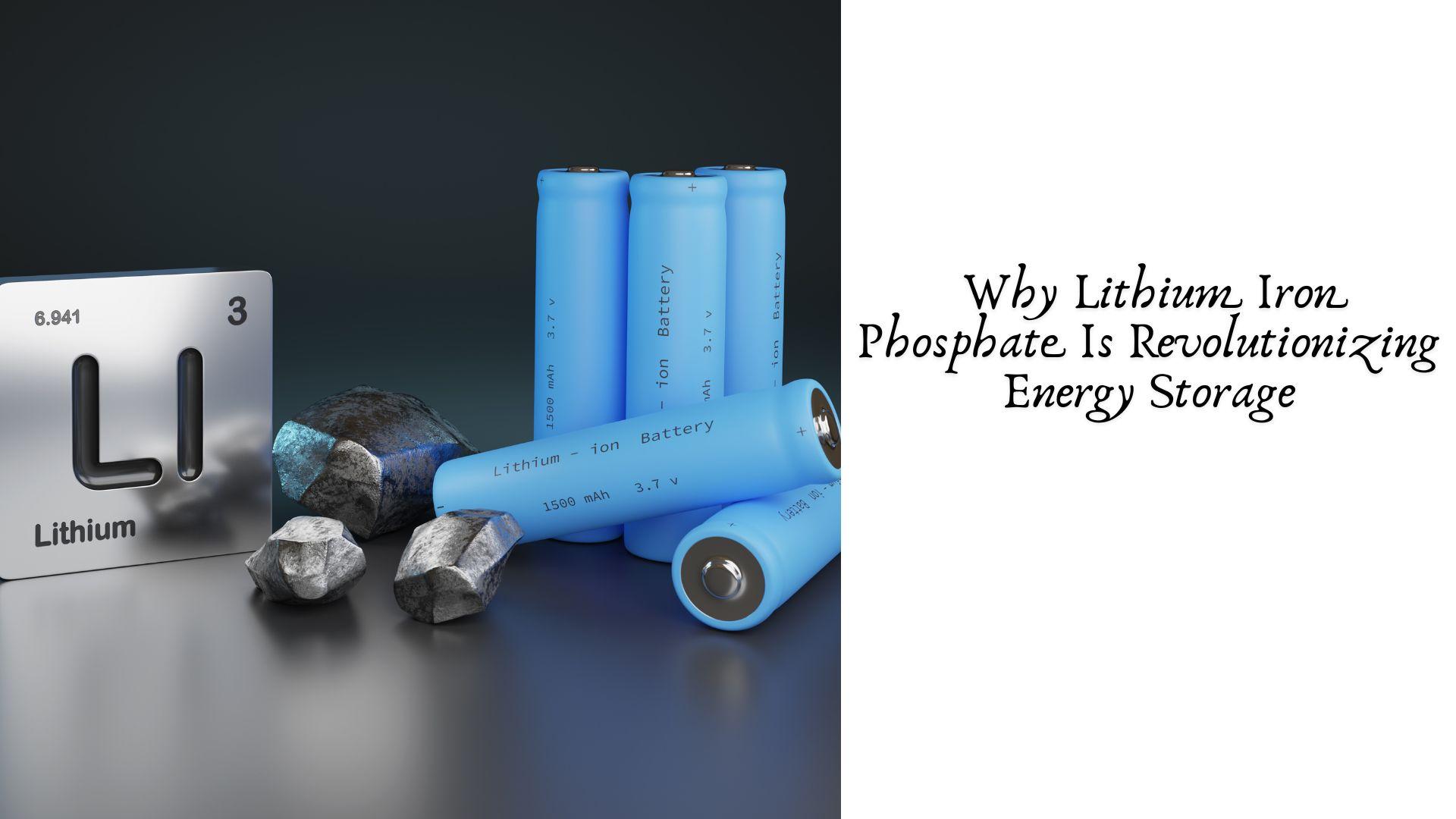
In the evolving landscape of renewable energy and electric mobility, the demand for reliable, safe, and long-lasting energy storage solutions has never been higher. Among the contenders vying for dominance in this space, Lithium Iron Phosphate (LiFePO₄ or LFP) has emerged as a game-changer. This particular type of lithium-ion battery chemistry is not just another incremental improvement—it represents a fundamental shift in how we think about and deploy energy storage technology. From electric vehicles (EVs) to grid-scale storage, Lithium Iron Phosphate is proving to be a cornerstone of the future of clean energy.
Understanding Lithium Iron Phosphate
Lithium Iron Phosphate is a type of lithium-ion battery that uses lithium iron phosphate as the cathode material and graphite as the anode. First developed in the 1990s, LFP gained commercial traction due to its superior thermal stability, long cycle life, and inherent safety advantages compared to other lithium-ion chemistries like lithium cobalt oxide (LCO) or lithium nickel manganese cobalt oxide (NMC).
Key Advantages of Lithium Iron Phosphate
Superior Safety Profile
One of the most critical advantages of LFP is its excellent safety record. Unlike other lithium-ion batteries that can overheat and potentially catch fire (a phenomenon known as thermal runaway), LFP batteries are chemically stable and less prone to combustion. This makes them ideal for use in applications where safety is paramount, such as residential solar systems and electric buses.
Longer Lifespan
Lithium Iron Phosphate batteries can last over 2,000 to 5,000 charge cycles, significantly more than the typical 500–1,000 cycles offered by traditional lithium-ion batteries. This long cycle life reduces replacement costs and improves overall return on investment, especially in applications like grid storage and commercial fleets.
Cost-Effectiveness
LFP batteries do not use expensive and volatile metals like cobalt or nickel, which not only reduces their cost but also circumvents the ethical and environmental concerns associated with mining these materials. This makes LFP an attractive option for large-scale deployment, especially in developing countries.
Environmental Sustainability
Compared to other battery chemistries, LFP is more environmentally friendly. It is free from heavy metals like cobalt and manganese, and it is easier to recycle. Its longer lifespan also means fewer batteries end up in landfills, contributing to a smaller environmental footprint.
Thermal and Chemical Stability
LFP maintains excellent thermal stability and performs well across a wide temperature range, from -20°C to 60°C. This makes it suitable for outdoor applications and in regions with extreme climates.
Transforming Energy Storage Applications
Electric Vehicles (EVs)
LFP batteries are increasingly being adopted in EVs, particularly by manufacturers like Tesla, BYD, and CATL. While they offer slightly lower energy density than NMC or NCA batteries, their safety, longevity, and lower cost more than make up for it—especially in standard range vehicles and buses where space constraints are less critical.
Renewable Energy Storage
As solar and wind energy continue to grow, so does the need for efficient energy storage solutions. LFP batteries are perfect for this role due to their ability to store and discharge large amounts of electricity safely over long periods. They are commonly used in residential solar + storage setups, off-grid systems, and utility-scale energy storage farms.
Commercial and Industrial Use
Warehouses, telecom towers, data centers, and even hospitals are turning to LFP for backup power solutions. Their stability and longer life cycle provide a more reliable option compared to traditional lead-acid or nickel-based batteries.
Consumer Electronics and Marine Applications
Due to their non-toxic chemistry and safety in operation, LFP batteries are also used in portable electronics, marine equipment, and power tools. They provide consistent performance and have a low risk of overheating or leaking.
Global Momentum and Market Growth
The LFP battery market is experiencing explosive growth. According to industry reports, the global market for LFP batteries is expected to grow at a CAGR of over 20% over the next decade. China has been a major driver of this growth, with companies like CATL and BYD leading the charge. Tesla's recent adoption of LFP in its Model 3 and Model Y standard range vehicles has further validated the chemistry’s capabilities and future potential.
Challenges and Considerations
While LFP has many advantages, it’s not without limitations:
-
Lower Energy Density: LFP has a lower energy density compared to NMC and NCA, which can limit its use in applications where space and weight are at a premium.
-
Cold Weather Performance: LFP batteries can be less efficient in extremely cold environments, although innovations in battery management systems are mitigating this issue.
Despite these challenges, ongoing research and development continue to enhance the performance and versatility of LFP batteries, making them increasingly competitive even in areas where they previously lagged.
Conclusion: The Future is (Iron) Bright
Lithium Iron Phosphate is no longer an underdog—it’s a rising leader in the energy storage sector. With its winning combination of safety, longevity, affordability, and environmental friendliness, LFP is well-suited to power the next generation of electric vehicles, renewable energy systems, and industrial storage solutions.
As the world accelerates toward decarbonization and sustainable technology, Lithium Iron Phosphate stands out as a transformative force, reshaping how we store, use, and think about energy. It’s not just revolutionizing energy storage—it’s redefining what’s possible.

 English
 Arabic
 French
 Spanish
 Portuguese
 Deutsch
 Turkish
 Dutch
Dutch
 Italiano
 Romaian
 Portuguese (Brazil)
 Tiếng Việt