


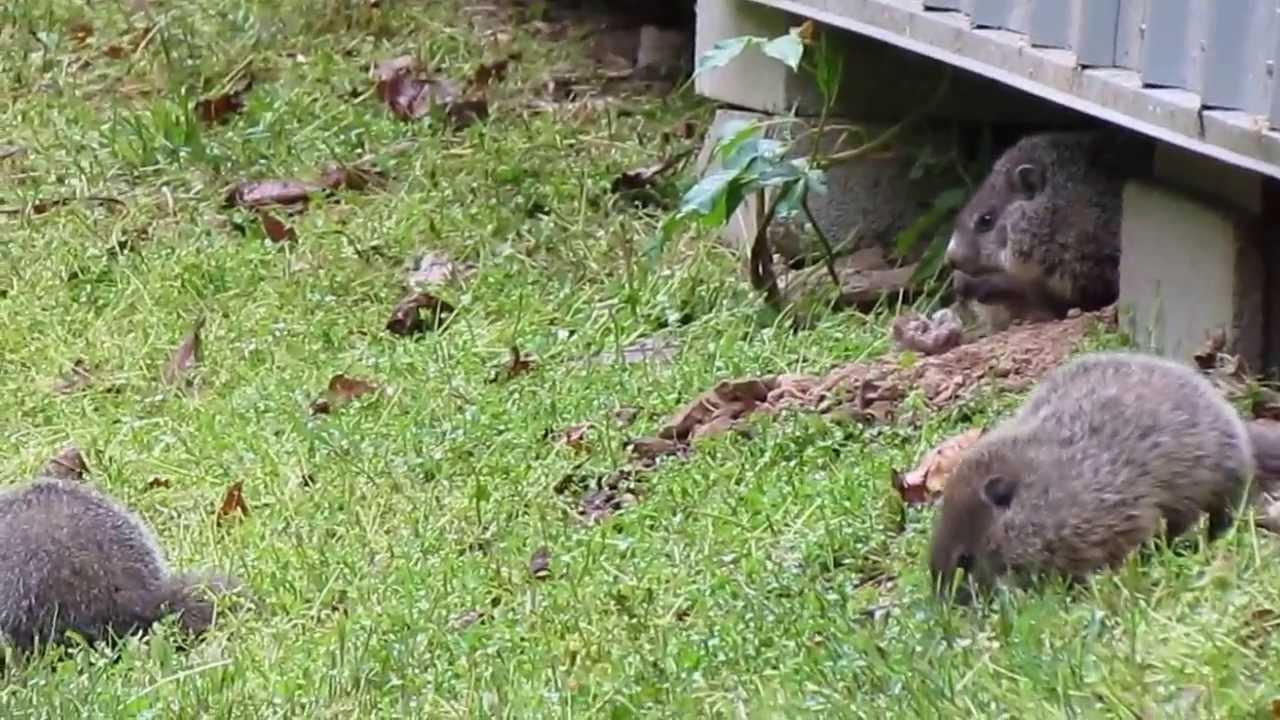
Norfolk's unique blend of urban landscapes, coastal waterways, and green spaces makes it a wonderful place to live. But this appealing environment doesn't just attract people; it also provides ideal habitats for a variety of wild animals. It's not uncommon for the boundaries between their territory and ours to blur. The scuttling noise in your attic at night or the rummaging sound in your garbage cans at dusk is often your first clue that you're sharing your property with more than just your family and neighbors.
Discovering a wild animal has taken up residence in your home is unsettling. Your first instinct might be panic or frustration. The second is often to try and handle it yourself. However, wild animals are unpredictable and can pose significant risks when they feel threatened or cornered. They can also cause extensive damage to your property and create unsanitary conditions.
Understanding which animal you're dealing with is the first step toward a solution. Each species has distinct behaviors, potential dangers, and requires a specific removal strategy. This guide will introduce you to the most common wild animals found in Norfolk homes and explain the safe, effective methods professionals use to resolve these conflicts.
The Usual Suspects: Norfolk's Most Common Home Invaders
While Norfolk is home to a diverse array of wildlife, a few species are particularly adept at finding their way into attics, crawl spaces, and wall voids.
Raccoons: The Intelligent and Powerful Masked Bandits
Raccoons are one of the most common and problematic intruders. They are strong, dexterous, and highly intelligent.
-
Signs of Infestation: You’ll often hear loud thumping or walking noises, especially at night, coming from the attic. They tear up insulation to create nests and will leave behind substantial droppings. Torn shingles or damaged roof vents are common entry points.
-
Risks and Dangers: Raccoons can be aggressive, especially a mother (sow) with her young (kits). They are a primary rabies vector species and their droppings can contain roundworm eggs, which are hazardous to humans and pets. Their strength allows them to cause significant structural damage.
Squirrels: The Energetic and Destructive Gnawers
Squirrels are active during the day, so you’re likely to hear them scurrying and scratching in your attic or walls in the morning and late afternoon.
-
Signs of Infestation: The most common sign is the sound of rapid, light scurrying. You may also find chewed acorns or other food stashes, and see gnaw marks on wood, wires, and plastic vent covers. They often enter through gaps in the roofline or damaged soffits.
-
Risks and Dangers: A squirrel’ constant need to gnaw presents a serious fire hazard, as they frequently chew on electrical wiring. They can also damage personal items stored in the attic and contaminate the space with droppings and urine.
Bats: The Silent and Protected Flyers
Bats are beneficial for controlling insect populations, but they become a problem when they choose your attic as their roosting spot.
-
Signs of Infestation: Bats are often detected by the sound of chirping or fluttering at dusk and dawn as they leave and return. The most telling sign is the accumulation of their droppings, called guano, which piles up beneath their entry point and has a crumbly, glittery appearance.
-
Risks and Dangers: Bat guano can grow a fungus whose spores, when inhaled, can cause histoplasmosis, a serious respiratory illness. While less than 1% of bats carry rabies, any physical contact is a risk. Critically, bats are protected by law in Virginia, and it is illegal to harm them or exclude them during maternity season (typically May through August), when flightless young are present.
Snakes: The Elusive and Often Misunderstood Reptiles
Snakes often enter properties in search of two things: food and shelter. If you have a rodent problem, you may soon have a snake problem.
-
Signs of Infestation: The most obvious sign is seeing one, often sunning itself on a warm step or slithering into a gap in the foundation. You might also find shed snake skins in your garage, basement, or crawl space.
-
Risks and Dangers: The vast majority of snakes in Norfolk are non-venomous, like the black rat snake or garter snake. However, venomous species like the copperhead do inhabit the region. Even non-venomous snakes can deliver a painful bite if threatened. Misidentification can be dangerous, so it's best to assume caution.
The Professional Approach: Safe and Humane Removal Strategies
Attempting to remove these animals yourself can be ineffective and dangerous. Professionals are trained to use species-specific techniques that prioritize safety—for you, the animal, and your property.
The Process of Humane Exclusion
For most animals, the goal is not to trap and relocate, but to encourage them to leave and then prevent their return. This is known as exclusion.
-
For Raccoons and Squirrels: Experts perform a thorough inspection to find all entry points. They then installed one-way doors over the main entry. These devices allow the animals to escape to forage but prevent them from re-entering. Once the technician is confident all animals are out (which can take a few days), the one-way doors are removed and all entry points are permanently sealed with durable materials like steel mesh and hardware cloth.
-
For Bats: Bat exclusion is a highly specialized process. Professionals identify the main entry/exit points and install exclusion netting or tubes. These devices create a one-way route out that the bats cannot navigate back through. This work must be timed correctly, outside of the protected maternity season, to avoid trapping flightless young inside, which is both inhumane and illegal.
The Role of Live Trapping
In some scenarios, exclusion isn't feasible, and live trapping is necessary. This is often the case for animals that are inside a wall void, under a deck, or for certain snake removals.
-
How It Works: Professionals use species-appropriate live traps, baited with attractive food or scents. These traps are checked frequently, often daily, to minimize stress on the captured animal.
-
Ethical Relocation: A key part of professional wild animal removal is understanding where and how to relocate an animal. They are released in a suitable habitat that can support them, far enough from your home to prevent their return, and in compliance with state wildlife regulations.
Addressing the Root Cause: Prevention and Cleanup
Removing the animal is only half the battle. A professional service ensures the problem doesn't happen again.
-
Property Fortification: After removal, technicians will seal every potential entry point they find. They'll strengthen weak spots in the roofline, install chimney caps, and seal cracks in the foundation. This not only keeps the current problem from recurring but also deters new animals from moving in.
-
Sanitization and Deodorization: Animals leave behind pheromone scents, droppings, and urine that can attract new wildlife. A complete wild animal removal Norfolk service includes a thorough cleanup. This involves removing contaminated insulation, cleaning and disinfecting the area with enzyme-based cleaners, and using industrial deodorizers to neutralize animal scents. This step is crucial for restoring a healthy environment in your home.
The Clear Benefits of Choosing Professional Expertise
Hiring a professional is an investment in a permanent solution that protects your family, your home, and the animals themselves.
Safety for Your Family and Pets
Professionals are trained to handle animals without provoking aggression. They know how to identify signs of illness like rabies. They also have the proper protective equipment and vaccines, mitigating the risks of bites, scratches, and disease transmission that a homeowner would face.
Protection of Your Property Value
Wildlife damage, if left unchecked, can be extensive and expensive. Chewed wiring can lead to fires. Urine-soaked insulation and drywall can lead to rot and mold. By addressing the problem completely and immediately, you prevent long-term structural damage that could significantly decrease your home's value.
Compliance with Wildlife Laws
As seen with bats, many animals are protected by state and federal laws. Professionals understand these regulations intimately. They ensure that all removal methods are legal and humane, protecting you from potential fines and legal trouble that can arise from improper handling.
Peace of Mind
Perhaps the greatest benefit is the restoration of your sense of security. Knowing that an animal has been removed humanely, your home has been sanitized, and all entry points have been sealed gives you the confidence that your home is once again your private, safe sanctuary.
Living in harmony with Norfolk's natural wildlife is part of the area's charm, but that doesn't mean you have to share your living room with it. By recognizing the signs of common invaders and trusting their removal to certified experts, you can resolve wildlife conflicts effectively and responsibly. The professional approach ensures a solution that is safe, permanent, and respectful to all creatures involved.

 Arabic
 French
 Spanish
 Portuguese
 Deutsch
 Turkish
 Dutch
Dutch
 Italiano
 Russian
 Romaian
 Portuguese (Brazil)
 Tiếng Việt