


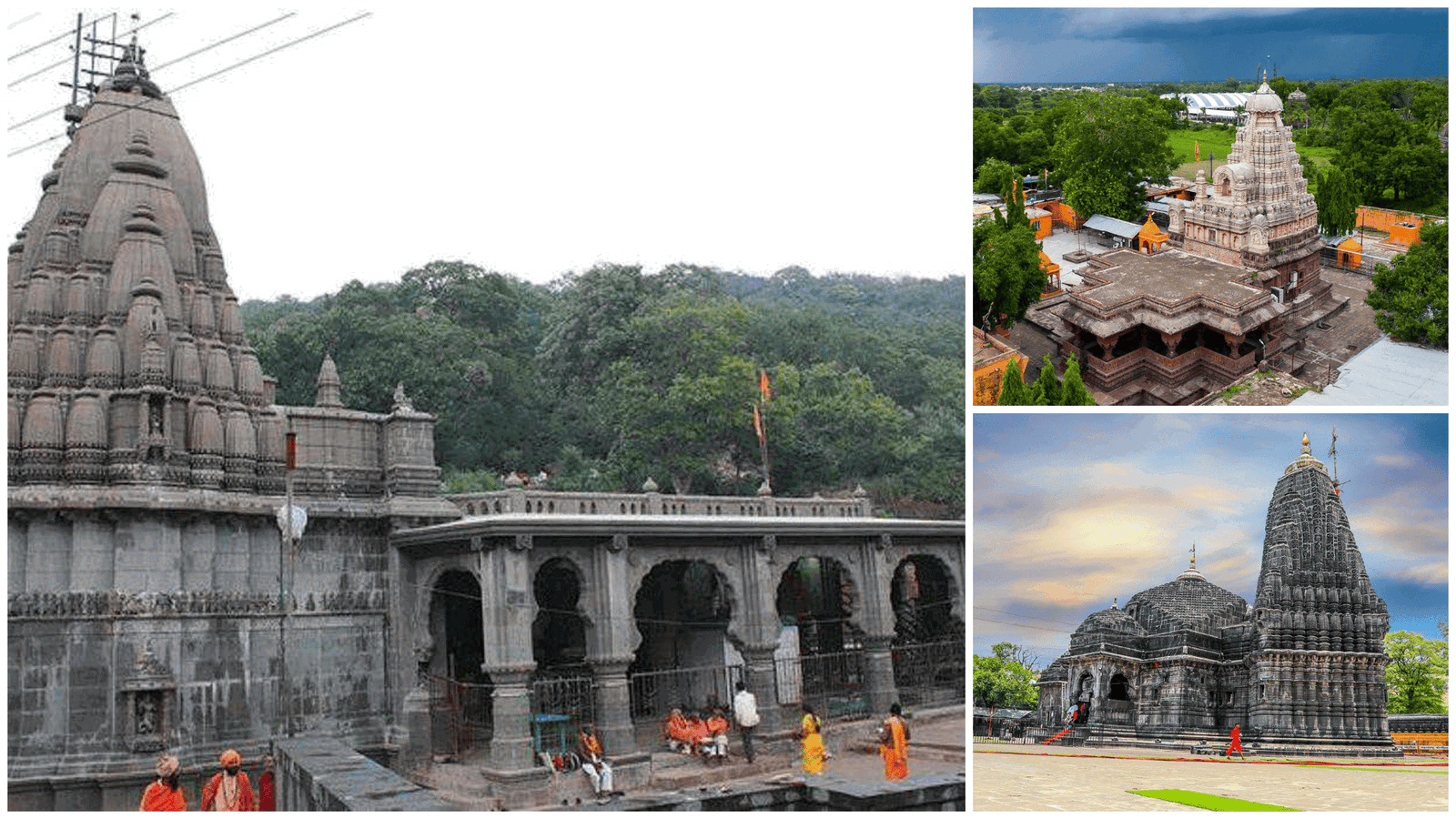
If you’ve ever dreamed of walking the spiritual path of Lord Shiva, the Jyotilinga tour of Maharashtra is the perfect journey to begin with. It’s more than just a pilgrimage it’s a deep dive into faith, culture, and the timeless stories that have shaped Indian spirituality. Let’s explore this sacred circuit that connects four of India’s twelve Jyotirlingas all nestled within the diverse and vibrant state of Maharashtra.
What is a Jyotirlinga?
The Legend of Lord Shiva’s Infinite Light
According to Hindu mythology, Lord Shiva appeared as an endless pillar of light a Jyotirlinga symbolizing his boundless, formless energy. Devotees believe that these 12 sacred shrines are manifestations of that divine radiance.
The 12 Jyotirlingas of India
From Kedarnath in the Himalayas to Rameshwaram in the South, the 12 Jyotirlingas are scattered across India. However, Maharashtra is blessed with four, making it one of the most spiritually significant states for Shaivites.
Why Maharashtra Holds a Special Place in the Jyotirlinga Tradition
The Spiritual Significance
Maharashtra’s Jyotirlingas Trimbakeshwar, Bhimashankar, Grishneshwar, and Aundha Nagnath represent purity, protection, and divine power. Each temple carries a unique legend that ties back to Lord Shiva’s benevolence and strength.
Pilgrimage with Scenic Routes
What’s incredible about this yatra is that it takes you through lush Western Ghats, historic cities, and cultural heartlands. From Nashik’s hills to Aurangabad’s caves this circuit blends spirituality with scenic beauty.
The Four Jyotirlingas of Maharashtra
Trimbakeshwar Jyotirlinga (Nashik)
Located near the source of the Godavari River, Trimbakeshwar is one of the most revered Jyotirlingas. The temple is known for its three-faced Shiva Linga, representing Brahma, Vishnu, and Mahesh. The cool climate of Nashik makes it an ideal first stop on your journey.
Bhimashankar Jyotirlinga (Pune District)
Tucked deep within the Sahyadri hills, Bhimashankar offers both spiritual and natural serenity. The temple’s intricate carvings and the adjoining wildlife sanctuary make it a perfect blend of devotion and adventure. The legend of Lord Shiva defeating the demon Tripurasura is associated with this shrine.
Grishneshwar Jyotirlinga (Aurangabad)
Situated near the Ellora Caves, Grishneshwar is the smallest but most exquisite Jyotirlinga temple. Its red stone architecture and rich carvings are a testimony to the grandeur of ancient Indian craftsmanship.
Aundha Nagnath Jyotirlinga (Hingoli)
Believed to be the first Jyotirlinga, Aundha Nagnath is an ancient temple where Lord Shiva is worshipped as the lord of serpents. Its spiritual aura and old-world charm make it a must-visit for devotees seeking inner peace.
Spiritual Significance of Each Jyotirlinga
Mythology and Beliefs
Every Jyotirlinga in Maharashtra has a distinct legend from Shiva granting boons to sages to saving the world from evil. Visiting all four is believed to cleanse one’s soul and fulfill spiritual desires.
Rituals and Prayers
Early morning abhishekam (ritual bathing of the Linga) with milk, water, and bilva leaves is considered auspicious. Many pilgrims also chant “Om Namah Shivaya” throughout the journey for divine blessings.
Ideal Itinerary for the Jyotilinga Tour of Maharashtra
Suggested 5-6 Day Route
-
Day 1: Arrive in Nashik Visit Trimbakeshwar
-
Day 2: Travel to Bhimashankar via Pune
-
Day 3: Drive to Aurangabad Visit Grishneshwar
-
Day 4: Explore Ellora Caves and move to Aundha Nagnath
-
Day 5: Visit Aundha Nagnath return or extend for other local sites
Travel Distances and Connectivity
All four temples are connected by good roads and train routes. For convenience, many tour operators such as TTrikon offer well-planned Jyotilinga tours of Maharashtra, covering transport, accommodation, and guided visits.
Best Time to Embark on the Yatra
The best season is October to March, when the weather is cool and comfortable for long drives and temple visits. Avoid monsoon months (June–September) due to slippery routes and heavy rainfall in hill areas.
Cultural and Architectural Highlights
Maratha Heritage and Temple Architecture
Each Jyotirlinga temple is a masterpiece of architecture from Hemadpanthi style to intricate carvings depicting Puranic stories. The influence of Maratha history is evident in the surroundings and temple complexes.
Local Experiences Beyond Temples
Nashik Vineyards
After darshan at Trimbakeshwar, unwind at the nearby Sula Vineyards. It’s a perfect example of how spirituality and leisure coexist in Maharashtra.
Aurangabad’s Caves and Forts
Don’t miss the Ajanta and Ellora Caves, Daulatabad Fort, and Bibi Ka Maqbara while visiting Grishneshwar. They offer a glimpse of India’s incredible artistic heritage.
Accommodation and Food Options
Dharamshalas, Hotels, and Ashrams
From budget dharamshalas to mid-range hotels, options abound around each Jyotirlinga. Many pilgrims also prefer simple ashram stays for a meditative atmosphere.
Local Maharashtrian Cuisine
Fuel your yatra with traditional Maharashtrian thalis, puran poli, bhakri, and piping hot masala chai. Each region offers its own flavor twist!
Travel Tips for Devotees
Dress Code, Etiquette, and Offerings
Wear modest clothing, carry prasad items (like bilva leaves and fruits), and avoid photography inside sanctum areas. Respect local customs and maintain silence during rituals.
Booking Your Jyotilinga Tour of Maharashtra
To make your pilgrimage smooth and hassle-free, check out ttrikon. They organize professionally curated Jyotilinga tours of Maharashtra, ensuring comfort, guidance, and a deeply spiritual experience.
Conclusion
The Maharashtra Jyotirlinga Yatra isn’t just a temple trail it’s a soul journey. As you bow before each Shiva Linga, you experience a connection that transcends religion and touches pure devotion. Whether you’re seeking peace, blessings, or simply a deeper understanding of India’s spiritual roots, this yatra promises a transformative experience you’ll cherish forever.
FAQs
1. How many Jyotirlingas are there in Maharashtra?
There are four Trimbakeshwar, Bhimashankar, Grishneshwar, and Aundha Nagnath.
2. What is the ideal duration for the Jyotilinga tour of Maharashtra?
Typically, 5 to 6 days are enough to comfortably cover all four Jyotirlingas.
3. Can senior citizens join this yatra?
Yes, many tours (like those by TTrikon) are senior-friendly with accessible accommodations and short walking distances.
4. Which Jyotirlinga is closest to Mumbai?
Bhimashankar Jyotirlinga, located about 210 km from Mumbai, is the nearest.
5. Is photography allowed inside the temples?
Photography is generally restricted inside sanctum areas but allowed outside temple premises always check with temple authorities.

 English
 French
 Spanish
 Portuguese
 Deutsch
 Turkish
 Dutch
Dutch
 Italiano
 Russian
 Romaian
 Portuguese (Brazil)
 Tiếng Việt