


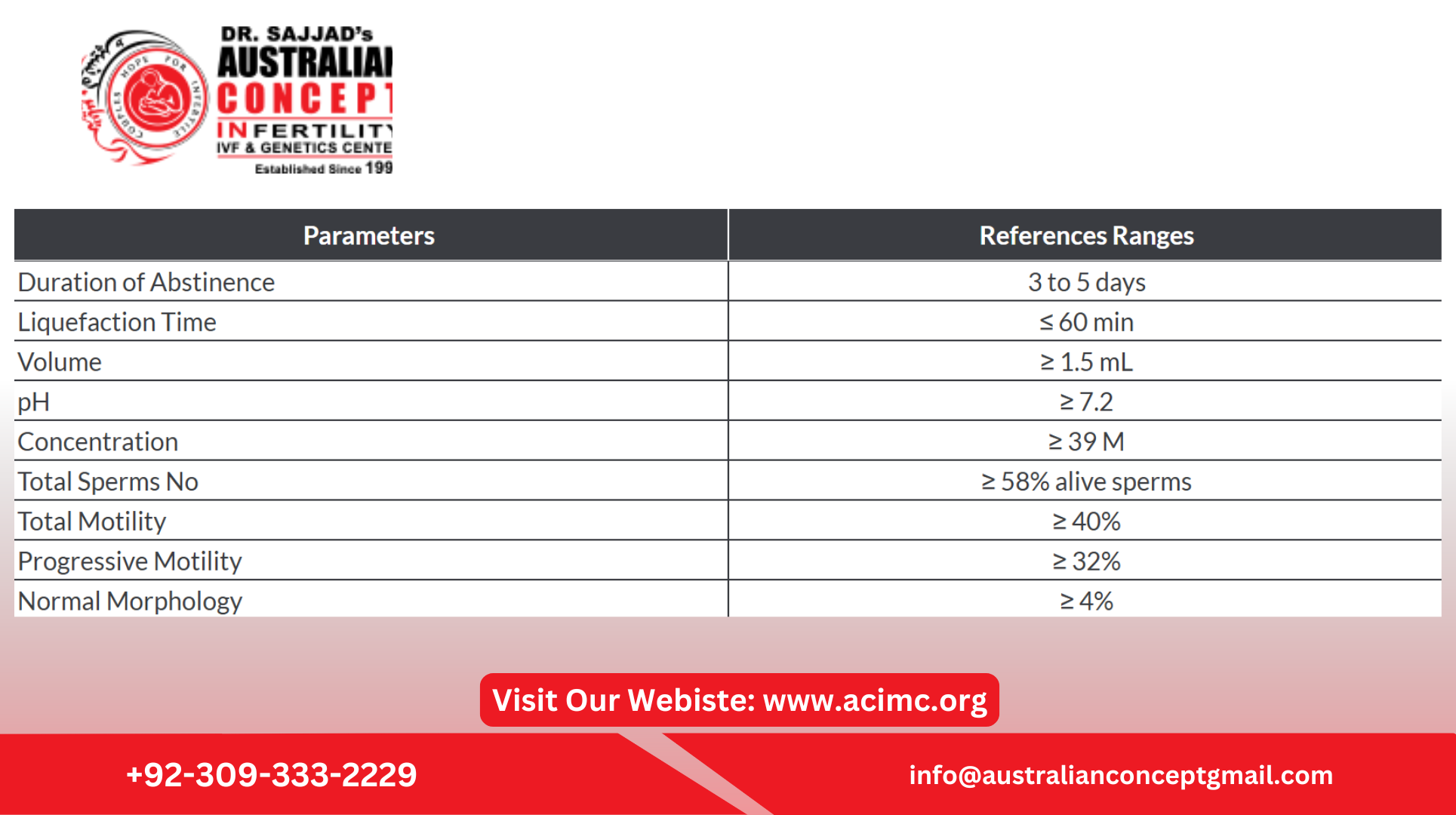
When couples struggle with infertility, one of the first diagnostic tests recommended for men is a semen analysis normal report. This test plays a vital role in understanding male fertility potential and helps determine the best treatment plan for assisted reproductive techniques like in vitro fertilization (IVF). Understanding what the normal values mean and how they impact IVF outcomes can make the process clearer for couples undergoing fertility evaluation.
What Is a Semen Analysis?
A semen analysis is a laboratory test that evaluates the health and quality of a man’s semen and sperm. It assesses key factors such as sperm count, movement, shape, and overall semen volume. These parameters help fertility specialists identify possible male infertility issues that could affect conception naturally or through assisted methods like IVF or ICSI.
Why Semen Analysis Is Important for IVF
For IVF, sperm quality plays a major role in fertilization. Even when sperm count is slightly below normal, IVF techniques like ICSI (Intracytoplasmic Sperm Injection) can increase the chances of success. However, knowing the semen quality beforehand allows doctors to choose the most suitable treatment approach and improve the likelihood of successful fertilization and embryo development.
Normal Semen Analysis Values
The World Health Organization (WHO) provides reference values that help fertility specialists determine whether a semen sample falls within the normal range. Below are the standard parameters used in most IVF centers:
1. Semen Volume
-
Normal Range: 1.5 to 6.0 milliliters
-
Semen volume reflects the amount of fluid released during ejaculation. A low volume may indicate issues with the seminal vesicles or ejaculatory ducts.
2. Sperm Concentration (Count)
-
Normal Range: At least 15 million sperm per milliliter
-
A higher sperm concentration increases the chance of fertilization. If the count is lower, procedures like ICSI can help by using a single healthy sperm for fertilization.
3. Total Sperm Count
-
Normal Range: 39 million or more sperm per ejaculate
-
Total sperm count combines volume and concentration, providing a complete overview of sperm availability.
4. Sperm Motility
-
Normal Range: 40% or more motile sperm, with at least 32% showing progressive movement
-
Motility indicates how well sperm can move toward the egg. Low motility can make natural conception difficult, but ICSI can overcome this issue during IVF.
5. Sperm Morphology (Shape)
-
Normal Range: At least 4% of sperm should have normal shape and structure
-
Abnormal shapes can prevent sperm from penetrating and fertilizing an egg. Morphology is particularly important for successful fertilization during IVF.
6. Semen pH Level
-
Normal Range: 7.2 to 8.0
-
pH balance ensures the sperm can survive and move effectively within the female reproductive tract. Abnormal pH levels might indicate infection or blockage.
7. White Blood Cells (Leukocytes)
-
Normal Range: Less than 1 million per milliliter
-
A higher count may signal infection or inflammation, which can affect sperm quality.
8. Liquefaction Time
-
Normal Range: Within 20–30 minutes after ejaculation
-
Delayed liquefaction can make sperm less mobile, reducing fertility potential.
How Semen Analysis Results Impact IVF Treatment
The semen analysis report helps fertility experts decide which reproductive technique to use:
-
Normal parameters: IVF can proceed using the partner’s sperm without additional procedures.
-
Low sperm count or motility: ICSI may be recommended to inject a single sperm directly into the egg.
-
Severe male infertility (azoospermia): Surgical sperm retrieval (like TESE or PESA) can be performed to collect sperm from the testicles.
The results also help determine whether lifestyle changes, medications, or surgical interventions are needed before starting IVF treatment.
Factors That Can Affect Semen Quality
Several external and internal factors can impact semen analysis results, including:
-
Stress and poor sleep
-
Smoking and alcohol use
-
Obesity or poor diet
-
Exposure to heat or radiation
-
Hormonal imbalance
-
Certain medications or chronic illnesses
Maintaining a healthy lifestyle before undergoing semen analysis can improve sperm health and increase IVF success rates.
Preparing for a Semen Analysis
To ensure accurate results, doctors often recommend the following guidelines:
-
Avoid ejaculation for 2–5 days before the test.
-
Stay hydrated but avoid alcohol or caffeine.
-
Inform the doctor about any medications you are taking.
-
Provide the semen sample through masturbation into a sterile container at the clinic or within an hour of collection at home.
Conclusion
A semen analysis provides valuable insight into male fertility and plays a crucial role in planning IVF treatment. Understanding the normal values helps couples interpret their results more confidently and prepare for their fertility journey. With accurate diagnosis, proper treatment, and lifestyle improvements, many couples with male infertility issues can achieve successful pregnancies through IVF.

 Arabic
 French
 Spanish
 Portuguese
 Deutsch
 Turkish
 Dutch
Dutch
 Italiano
 Russian
 Romaian
 Portuguese (Brazil)
 Tiếng Việt