


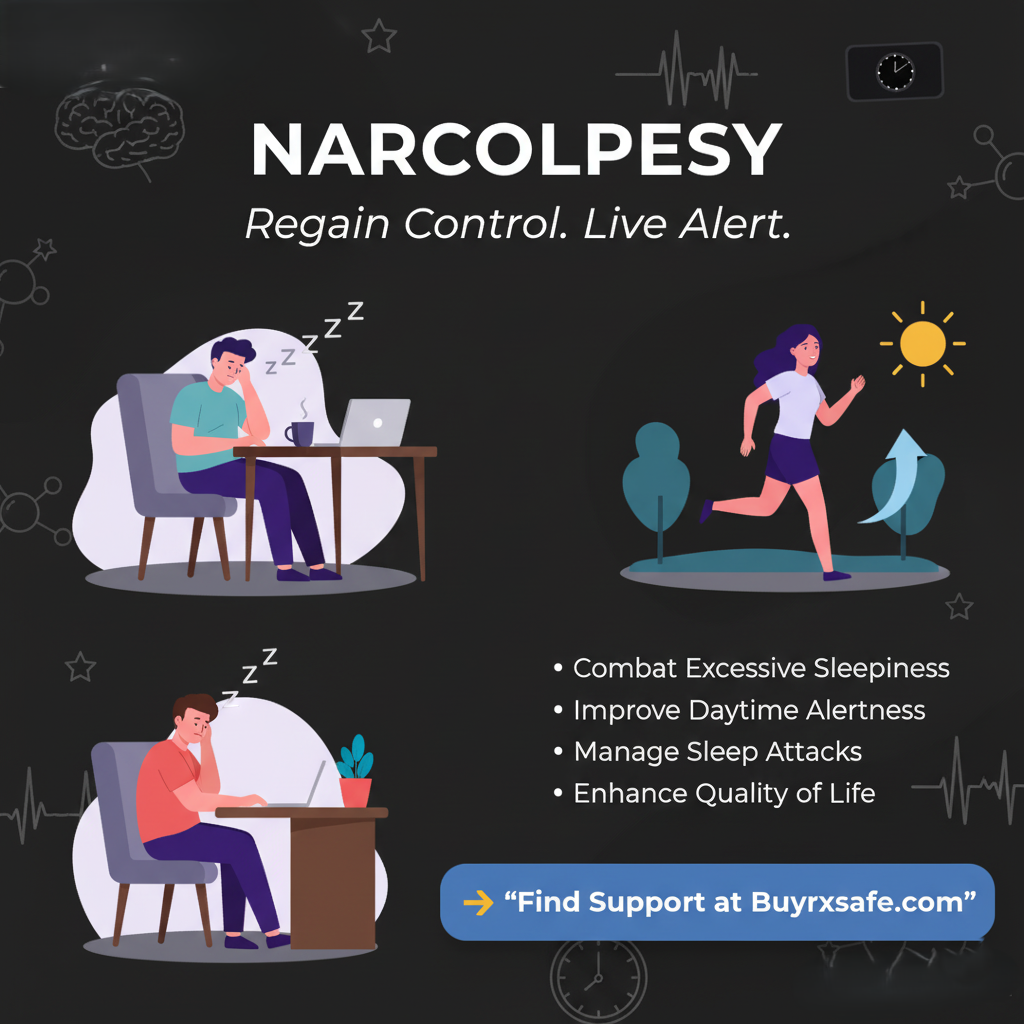
Daytime sleepiness can be more than just feeling tired—it may indicate a chronic condition called narcolepsy. People living with narcolepsy experience sudden sleep attacks, excessive daytime fatigue, and interrupted nighttime sleep, all of which can severely impact daily life. Fortunately, effective daytime sleepiness treatment options exist that can help manage symptoms, improve alertness, and enhance overall quality of life.
In this guide, we will explore steps to reduce daytime fatigue, including lifestyle changes, medical treatments, and practical strategies suitable for individuals in the UK, Australia, and beyond.
Understanding Narcolepsy and Daytime Sleepiness
Narcolepsy is a neurological disorder that affects the brain’s ability to regulate sleep-wake cycles. Individuals with narcolepsy may struggle to stay awake during the day despite having adequate sleep at night. The two main types of narcolepsy include:
-
Narcolepsy Type 1: Characterized by excessive daytime sleepiness and sudden muscle weakness called cataplexy.
-
Narcolepsy Type 2: Involves daytime sleepiness without cataplexy but may include other sleep disturbances.
Symptoms of narcolepsy can vary in intensity but commonly include:
-
Sudden bouts of sleep during the day
-
Difficulty staying awake during work, school, or social activities
-
Fatigue and low energy
-
Sleep paralysis or vivid hallucinations
If left untreated, these symptoms can interfere with professional and personal life. Early recognition and treatment are key to reducing daytime fatigue.
Lifestyle Adjustments to Manage Narcolepsy
Lifestyle changes form a crucial part of narcolepsy treatment. While medications help, behavioural adjustments can significantly improve alertness during the day. Here are some effective strategies:
1. Structured Sleep Schedule
Maintaining a consistent sleep-wake schedule helps regulate the body’s internal clock. Going to bed and waking up at the same time every day can reduce sudden sleep attacks. Short daytime naps of 15–20 minutes can also provide temporary relief without affecting nighttime sleep.
2. Balanced Diet and Hydration
A diet rich in whole grains, lean protein, and fresh vegetables provides sustained energy throughout the day. Avoid heavy meals, caffeine, and sugary snacks close to bedtime, as they can disrupt sleep quality. Staying hydrated also prevents fatigue caused by dehydration.
3. Regular Exercise
Light to moderate exercise, such as walking, yoga, or swimming, can boost energy levels and improve mood. However, avoid vigorous exercise too close to bedtime as it may interfere with sleep.
4. Minimising Stress
Stress can worsen narcolepsy symptoms. Techniques like meditation, mindfulness, and deep-breathing exercises can help calm the nervous system and improve sleep patterns.
5. Safe Work and Study Practices
For individuals in the UK and Australia, workplace support and adjustments may be necessary. Taking scheduled breaks, avoiding long periods of inactivity, and informing supervisors or educators about the condition can prevent accidents caused by sudden sleep attacks.
Medical Treatments for Narcolepsy
For many people, lifestyle changes alone are not enough. Medical treatments are essential to manage excessive daytime sleepiness effectively.
1. Stimulant Medications
Stimulants are commonly prescribed to help patients stay awake during the day. These medications increase alertness and reduce sleepiness. Examples include modafinil-based medications, which are widely available in the UK and Australia.
At BuyRxSafe, we offer reliable access to these medications with fast delivery, ensuring patients can maintain their treatment routine without delay.
2. Sodium Oxybate
For severe cases, sodium oxybate can improve nighttime sleep quality and reduce daytime sleepiness. It is usually prescribed under strict medical supervision due to its potent effects.
3. Antidepressants
Certain antidepressants help manage cataplexy, sleep paralysis, and hallucinations associated with narcolepsy. They regulate neurotransmitters in the brain, helping improve overall wakefulness and emotional stability.
4. Adjunct Therapies
Other treatments, such as light therapy, may complement medications. Exposure to bright light in the morning can help reset circadian rhythms and improve daytime alertness.
Practical Tips to Stay Awake During the Day
Beyond medications and lifestyle changes, practical strategies can help manage sudden sleep attacks and maintain alertness.
1. Short, Strategic Naps
Brief naps of 15–20 minutes can refresh the mind without causing sleep inertia. Avoid long naps during the day, as they may disrupt the nighttime sleep cycle.
2. Keep Engaged Mentally and Physically
Stimulate the brain with tasks that require focus, movement, or interaction. Activities like walking meetings, brainstorming sessions, or hands-on work can reduce the likelihood of dozing off.
3. Environmental Adjustments
Bright lights, open windows, and cooler room temperatures can enhance alertness. Conversely, dimly lit or warm environments may trigger sleepiness.
4. Use of Technology Aids
Smart alarms, reminders, and wearable devices can help manage daily routines, ensuring consistent activity levels and scheduled rest periods.
Living Well With Narcolepsy
Managing narcolepsy requires a comprehensive approach that blends medical treatment, lifestyle strategies, and practical daily routines. Support from family, friends, and healthcare professionals plays a vital role in long-term success.
1. Patient Support Groups
Connecting with support groups in the UK and Australia allows individuals to share experiences, tips, and coping strategies. Knowing that others face similar challenges can provide motivation and reduce isolation.
2. Work and Academic Accommodations
Legal protections in many countries allow individuals with narcolepsy to request reasonable adjustments in workplaces or schools. These may include flexible schedules, nap breaks, or modified workloads.
3. Regular Medical Follow-Ups
Frequent consultations with sleep specialists ensure medications are effective and side effects are managed. Adjusting treatment plans as symptoms change is crucial to maintaining alertness and quality of life.
Why BuyRxSafe Can Help
At BuyRxSafe, we prioritise patients’ access to safe and effective medications. Whether you need treatment for narcolepsy or other sleep disorders, we offer fast, discreet delivery across the UK and Australia. With verified generic options, you can continue your treatment plan without unnecessary delays.
Conclusion
Narcolepsy is a lifelong condition that requires ongoing management. By combining medical treatment with lifestyle modifications, practical strategies, and support systems, individuals can significantly reduce daytime fatigue and improve daily functioning.
Remember, every person’s experience with narcolepsy is unique. Consulting a sleep specialist and following a personalised treatment plan is essential. With the right approach, individuals can regain control over their sleep-wake cycles and lead productive, fulfilling lives.
If you are looking for safe and reliable narcolepsy medications with fast delivery across the UK and Australia, visit BuyRxSafe today and take a step towards better daytime alertness.

 Arabic
 French
 Spanish
 Portuguese
 Deutsch
 Turkish
 Dutch
Dutch
 Italiano
 Russian
 Romaian
 Portuguese (Brazil)
 Tiếng Việt