


Introduction
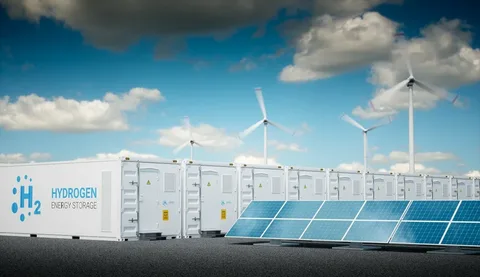
Hydrogen energy storage (HES) is emerging as a crucial technology in the transition toward cleaner, more resilient energy systems. By converting surplus renewable electricity into hydrogen via electrolysis, storing it, and later converting it back into electricity or using it as fuel, hydrogen energy storage provides a versatile solution to intermittency challenges in solar and wind power. Beyond grid balancing, hydrogen storage supports applications in transportation, industrial processes, and heating. The market is gaining traction due to rising investments in renewable integration, decarbonization policies, and growing recognition of hydrogen as a clean energy carrier.
Market Dynamics (Drivers, Challenges, Opportunities)
Drivers:
The shift toward renewable energy, which often generates variable and intermittent output, is a primary driver of the hydrogen energy storage market. Hydrogen offers long-duration energy storage, enabling seasonal balancing and grid flexibility that batteries cannot easily provide. Strong government support, net-zero targets, and investment in hydrogen economy projects worldwide are further propelling demand. Growing applications in green mobility, steel production, and industrial energy use also strengthen the market outlook.
Challenges:
High capital costs for electrolyzers, hydrogen storage tanks, and fuel cells remain major obstacles. Energy losses during conversion (electricity-to-hydrogen and back) limit round-trip efficiency compared to batteries. Safety concerns related to hydrogen handling and the lack of a mature infrastructure also pose barriers. Additionally, competition from other long-duration storage technologies, such as pumped hydro and flow batteries, could affect adoption.
Opportunities:
The biggest opportunities lie in green hydrogen produced from renewable energy, which aligns perfectly with decarbonization goals. Large-scale projects in Europe, Asia-Pacific, and the Middle East are advancing hydrogen hubs that combine storage with production and distribution. Integration with offshore wind and solar farms creates potential for large-scale deployment. Hydrogen energy storage also offers opportunities in microgrids, remote communities, and backup power for critical infrastructure. The expansion of hydrogen mobility—fuel cell electric vehicles (FCEVs) and hydrogen-powered trucks—further amplifies opportunities.
Market Segmentation
By Technology:
- Compression Storage
- Liquefaction Storage
- Material-based Storage (metal hydrides, chemical carriers)
By Storage Type:
- Physical Storage (compressed gas, liquid hydrogen)
- Chemical Storage (ammonia, synthetic fuels)
By Application:
- Grid Energy Storage
- Transportation (fueling stations, FCEVs)
- Industrial Energy Use (steel, cement, chemicals)
- Backup & Remote Power
By End-Use Sector:
- Utilities & Power Generation
- Industrial
- Commercial
- Residential
By Region:
- North America
- Europe
- Asia-Pacific
- Latin America
- Middle East & Africa
Regional Analysis
North America is expanding its hydrogen infrastructure, particularly in the U.S. with initiatives under the Department of Energy’s Hydrogen Shot program. Europe is leading with ambitious hydrogen strategies in Germany, France, and the Netherlands, focusing on large-scale green hydrogen hubs and cross-border storage networks. Asia-Pacific—led by Japan, South Korea, China, and Australia—represents one of the fastest-growing markets, driven by hydrogen mobility and integration with renewable energy exports. Middle East nations like Saudi Arabia and UAE are investing in hydrogen storage as part of energy diversification and green hydrogen export projects. Latin America is gradually emerging with potential in Chile and Brazil due to abundant renewable resources.
Key Trends
- Green Hydrogen Expansion: Rising focus on renewable-based hydrogen for long-term energy storage.
- Sector Coupling: Hydrogen storage integrated with power, heating, and transport sectors.
- Scaling Infrastructure: Growth of hydrogen hubs, pipelines, and underground storage caverns.
- Cost Reduction: Falling electrolyzer costs due to economies of scale and innovation.
- Industrial Decarbonization: Adoption of hydrogen storage in steelmaking, cement, and refineries.
- Hybrid Systems: Pairing hydrogen with batteries and other storage technologies for optimized energy management.
Future Outlook
The hydrogen energy storage market is projected to grow significantly through 2035 as the global hydrogen economy matures. Falling costs, stronger regulatory frameworks, and international partnerships will accelerate adoption. Hydrogen will play a pivotal role in stabilizing renewable energy systems, enabling carbon-free transportation, and powering industrial sectors traditionally reliant on fossil fuels. Underground hydrogen storage in salt caverns, advancements in material-based storage, and global hydrogen trade will define the next phase of growth. The technology’s ability to provide long-duration and seasonal storage makes it indispensable for achieving net-zero energy systems.
Conclusion
Hydrogen energy storage is set to transform the global energy landscape, addressing renewable intermittency and enabling a clean, flexible, and resilient energy future. Despite high costs and infrastructure challenges, strong government support and increasing private investment are paving the way for large-scale adoption. With applications spanning grid storage, transport, and industry, hydrogen energy storage will become a cornerstone of the low-carbon economy.

 English
 Arabic
 Spanish
 Portuguese
 Deutsch
 Turkish
 Dutch
Dutch
 Italiano
 Russian
 Romaian
 Portuguese (Brazil)
 Tiếng Việt