


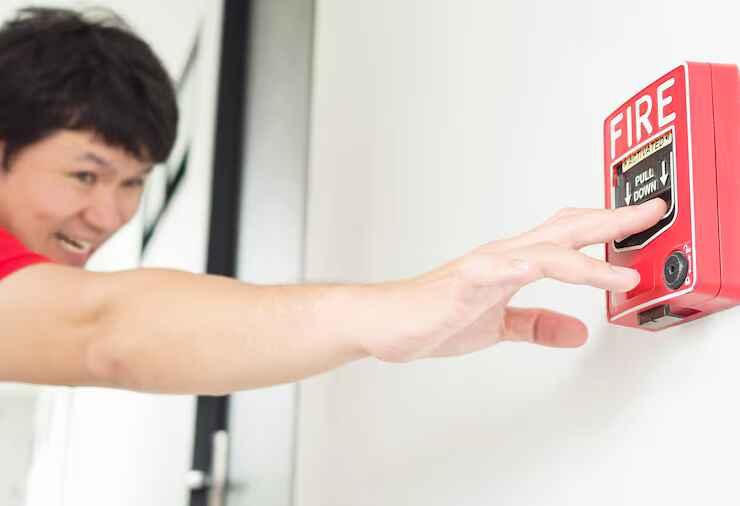
A Fire Alarm Certificate is an official document that confirms a property’s fire alarm system has been professionally inspected, tested, and deemed safe to use. It demonstrates compliance with UK fire safety regulations and provides assurance that the system is fully functional in case of an emergency. Whether you are a landlord, business owner, or property manager, having a valid Fire Alarm Certificate is essential for protecting lives, property, and meeting legal obligations.
What is a Fire Alarm Certificate?
A Fire Alarm Certificate is Issued by a qualified fire safety engineer after the inspection and testing of a building’s fire alarm system. The certificate confirms:
-
The system is correctly installed.
-
All components, including detectors, call points, and alarms, are operational.
-
The system complies with British Standards (BS 5839).
Any faults or defects are identified for repair.
This certificate is often required for insurance purposes, regulatory compliance, and ensuring the overall safety of a property.
Who Needs a Fire Alarm Certificate?
-
Landlords – UK law requires landlords of rental properties, especially HMOs (Houses in Multiple Occupation), to install and maintain fire alarm systems with regular inspections.
-
Businesses – Offices, restaurants, shops, and industrial premises must have a valid Fire Alarm Certificate to comply with the Fire Safety Order 2005.
-
Property Managers – Residential blocks, hotels, and public buildings must undergo routine checks and hold certification to protect occupants.
Importance of a Fire Alarm Certificate
-
Legal Compliance
Without a valid Fire Alarm Certificate, property owners risk legal penalties, fines, or closure notices. -
Life Safety
Fire alarms provide early warnings, giving people time to escape in an emergency and significantly reducing fatalities. -
Insurance Requirement
Many insurers require proof of a valid Fire Alarm Certificate before processing claims related to fire damage. -
Peace of Mind
Knowing the system has been professionally tested ensures reliability and confidence in the event of a fire.
How often Should you Get a Fire Alarm Certificate?
According to British Standards (BS 5839):
-
Weekly testing of the fire alarm system is recommended by the responsible person.
-
Six-monthly inspections should be carried out by a competent fire alarm engineer.
-
A Fire Alarm Certificate should be renewed following each professional inspection to maintain compliance.
What Does the Inspection Involve?
A qualified engineer carrying out fire alarm testing will:
-
Check alarm control panels, call points, and detectors.
-
Test sounders to ensure audibility throughout the building.
-
Inspect wiring and power supplies.
Verify compliance with fire safety regulations. -
Provide a written Fire Alarm Certificate detailing the system’s condition and any remedial actions required.
Choosing a Fire Safety Professional
When arranging for a Fire Alarm Certificate, always use accredited fire Safety Engineers. They should be BAFE (British Approvals for Fire Equipment) registered or belong to other recognized fire safety certification bodies.
Conclusion
A Fire Alarm Certificate is not just a legal requirement—it is a vital safeguard for property owners, businesses, and landlords. By ensuring your fire alarm system is tested, maintained, and certified, you protect lives, stay compliant with fire safety laws, and secure your property against risk. Regular inspections and certification are the key to reliable fire protection and long-term peace of mind.

 Arabic
 French
 Spanish
 Portuguese
 Deutsch
 Turkish
 Dutch
Dutch
 Italiano
 Russian
 Romaian
 Portuguese (Brazil)
 Tiếng Việt