


Introduction
Illness is an inevitable part of life. Everyone encounters periods when the body demands rest and the mind struggles to maintain patience. While sickness is often unwelcome, it also provides a unique opportunity: a chance to slow down, reflect, and reconnect with oneself.
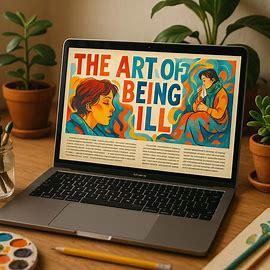
The art of being ill is the practice of approaching these challenging moments with intention, patience, and compassion. Instead of viewing sickness as purely disruptive, it can become a period of self-discovery, emotional growth, and holistic healing.
1. Acceptance: The First Step
The cornerstone of the art of being ill is acceptance. In a world that prizes productivity and strength, slowing down can feel like failure. Many people resist taking the necessary time off, feeling guilt or frustration.
Acceptance is not surrender; it is acknowledgment. By recognizing limitations, we reduce stress, allowing the body to focus on healing. This mental shift is the first step toward a full recovery—physically, emotionally, and mentally.
2. Rest as Active Healing
Rest is often undervalued, yet it is essential during illness. Downtime is frequently perceived as wasted, rather than a vital component of recovery.
The art of being ill reframes rest as active healing. Sleep, quiet reflection, and relaxation conserve energy, support the immune system, and enhance emotional balance. Rest is intentional self-care, not passive idleness, and is crucial for both immediate and long-term recovery.
3. Listening to Your Body
Illness is a form of communication from the body. Fatigue, pain, or discomfort are signals that something needs attention. Ignoring them can exacerbate the condition and prolong recovery.
Practicing the art of being ill means tuning in to these messages. Observing how the body reacts to rest, nutrition, and care cultivates self-awareness and nurtures a stronger connection between mind and body.
4. Emotional Awareness
Sickness often brings emotional challenges such as anxiety, irritability, or sadness. Suppressing these emotions can hinder the healing process and increase stress levels.
The art of being ill emphasizes attending to emotional well-being alongside physical health. Journaling, meditation, mindfulness, or speaking with trusted friends provides a necessary outlet for emotions. Emotional care supports resilience and complements the healing process.
5. Slowing Down and Reflection
Periods of illness naturally slow life’s pace. While inconvenient, this enforced pause creates a valuable opportunity for self-reflection.
The art of being ill encourages asking meaningful questions:
-
Are my habits and routines supportive of my overall well-being?
-
Which changes could improve my health and lifestyle?
-
How can I nurture myself more effectively moving forward?
Reflection allows sickness to become a teacher, rather than just an obstacle.
6. Strengthening Relationships
Illness often reveals the importance of human connection. Accepting help—from meals to emotional check-ins—deepens bonds and fosters gratitude.
The art of being ill demonstrates that vulnerability can strengthen relationships. Expressing needs and appreciation builds trust and reinforces the understanding that healing is often a collaborative journey, not a solitary one.
7. Holistic Healing Practices
While medical care addresses physical symptoms, holistic practices complement recovery and ensure comprehensive well-being.
The art of being ill incorporates:
-
Proper nutrition and hydration.
-
Gentle movement such as stretching or light walking.
-
Mindfulness, meditation, or creative outlets for the mind.
-
Creating a calming, restful environment to support emotional health.
Combining conventional treatment with holistic approaches promotes sustainable, long-term recovery.
8. Lessons From Sickness
Sickness provides lessons unavailable during periods of good health. It fosters patience, self-compassion, and mindfulness while revealing imbalances in work, lifestyle, or relationships.
Embracing the art of being ill allows these lessons to shape personal growth. People who consciously approach illness often develop empathy, resilience, and a clearer understanding of their physical and emotional needs—insights that extend well beyond recovery.
9. Practical Tips to Embrace the Art of Being Ill
To fully embrace the art of being ill, consider the following steps:
-
Acknowledge your condition without guilt or denial.
-
Prioritize rest, nutrition, and hydration to facilitate recovery.
-
Simplify routines to conserve energy for healing.
-
Seek emotional support from friends, family, or professionals.
-
Reflect on lessons learned and integrate them into daily life.
These strategies transform sickness from a passive experience into a conscious, restorative period of self-care.
10. Carrying Lessons Beyond Illness
The wisdom gained during illness often extends well beyond recovery. People frequently develop:
-
Greater awareness of physical and emotional limits.
-
Healthier routines regarding rest, nutrition, and exercise.
-
Increased empathy, patience, and resilience.
The art of being ill transforms sickness into a lifelong teacher, guiding mindful, intentional living even after health is restored.
Conclusion
Although illness is rarely welcome, it can provide opportunities for reflection, growth, and holistic healing. The art of being ill teaches acceptance, patience, and the importance of nurturing oneself.
By listening to the body, attending to emotions, and embracing vulnerability, sickness becomes more than an interruption—it becomes a meaningful journey. Through this approach, we emerge stronger, wiser, and more attuned to our well-being, ready to live life with mindfulness and compassion.

 English
 Arabic
 French
 Spanish
 Portuguese
 Deutsch
 Turkish
 Dutch
Dutch
 Italiano
 Romaian
 Portuguese (Brazil)
 Tiếng Việt