


Introduction
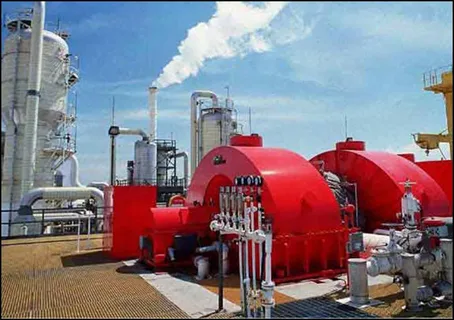
The geothermal turbines market is a crucial segment of the renewable energy industry, enabling the conversion of geothermal heat from the Earth’s crust into usable electricity. Geothermal turbines operate under unique conditions, as they must handle high temperatures, corrosive fluids, and varying pressure levels. These turbines are deployed in geothermal power plants, which are predominantly located in geologically active regions with abundant geothermal resources. With increasing global focus on sustainable and baseload renewable power, geothermal turbines are gaining attention as a reliable, low-carbon energy solution.
Market Drivers
One of the strongest drivers is the rising demand for renewable baseload power. Unlike solar and wind, geothermal energy provides continuous generation, unaffected by weather or daylight conditions. Government support through renewable energy targets, subsidies, and geothermal exploration incentives adds momentum. Advances in turbine design, including binary cycle and enhanced geothermal systems (EGS), expand feasibility in regions beyond traditional geothermal hotspots. Growing investments in energy diversification and carbon reduction commitments further accelerate demand for geothermal turbines.
Market Challenges
Geothermal turbine projects face several hurdles. High upfront costs and geological exploration risks can delay or prevent investment. The availability of geothermal resources is geographically limited, restricting widespread adoption. Turbines must withstand extreme working conditions, raising material and maintenance costs. Project timelines are long, often requiring several years of development. Regulatory approvals and environmental concerns, such as land use and potential seismic activity, also add complexity.
Market Segmentation
- By Type: Dry steam turbines, flash steam turbines, binary cycle turbines, and hybrid systems.
- By Capacity: Up to 5 MW, 5–30 MW, above 30 MW.
- By End Use: Utility-scale power plants, industrial cogeneration, and remote/off-grid applications.
Regional Insights
North America (especially the United States) remains a key market due to established geothermal fields in California and Nevada. Asia-Pacific shows significant growth, with Indonesia, Philippines, and Japan investing heavily in geothermal energy. Europe is emerging, particularly in Iceland, Italy, and Turkey, which are leveraging geothermal resources for both power and heating. Africa (notably Kenya) is also expanding its geothermal footprint.
Key Market Trends
- Deployment of binary cycle turbines to exploit low-to-medium temperature geothermal resources.
- Growth in enhanced geothermal systems (EGS) that increase reservoir potential.
- Rising adoption of modular turbine systems for smaller, distributed projects.
- Integration of geothermal with district heating and hybrid renewable systems.
Future Outlook
The geothermal turbine market will grow steadily, supported by renewable policies and demand for continuous clean power. Innovations in EGS and modular systems will broaden adoption beyond traditional geothermal hotspots.
Conclusion
Geothermal turbines represent a critical pathway to providing reliable, baseload renewable energy. Despite high costs and resource limitations, ongoing technological advancements and policy support will strengthen their global market position.

 English
 Arabic
 French
 Spanish
 Portuguese
 Deutsch
 Dutch
Dutch
 Italiano
 Russian
 Romaian
 Portuguese (Brazil)
 Tiếng Việt