


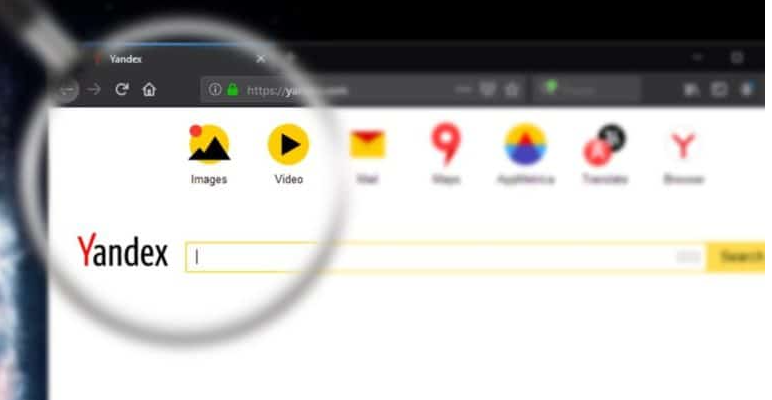
Think of Yandex as “Google made for Russia,” but it's much more than that. It was founded in 1997 and has grown into a tech giant that does search + maps + translation + streaming + ride-hailing + delivery + cloud services. Because it was built in Russia, for Russians, it understands the language, slang, grammar twists, idioms—stuff that foreign companies sometimes fumble.
Yandex's search is still its backbone. When people talk about “Yandex,” they often mean its search engine, but really it's its entire ecosystem.
How Big Is Yandex in 2025? (Numbers That'll Surprise You)
Let me hit you with some stats so you get the picture:
-
Total revenue in 2024 : ~1.1 trillion Russian rubles (~$11.2 billion USD depending on exchange rate) — that's up 37% year-over-year.
-
In Q2 2025, revenue rose ~33% compared to Q2 2024: about 332.5 billion rubles. Adjusted net profit was 30.4 billion rubles (so yes, they're making money again).
-
Yandex's market share for search in Russia is big: around 69-72% depending on source and month. Google trails far behind locally.
-
Yandex Plus (their subscription/entertainment bundle) has 43.2 million subscribers as of Q2 2025 — up ~28% year-on-year.
-
Their cloud / B2B tech segment is also growing fast. The total market where they compete (B2B tech) was ~240 billion rubles in 2024. They expect that to double by 2028 with a ~21% compound annual growth (CAGR).
So yeah, Yandex isn’t just chugging along. It’s growing, expanding, making moves beyond just “search.”
What Makes Yandex Different (in a Good Way)
Why do people use Yandex Search Engine instead of Google (or in addition)? Here are some of its strengths:
-
Language & local nuance
Because Russian (and many other local languages) have grammatical cases, inflections, slang, etc., Yandex tends to interpret casual or messy search queries more smartly. If you type in something colloquial in Russian, Yandex may get your intent better than Google. -
Local services + integration
Maps, traffic, taxi services, food delivery, entertainment (movies, streaming), plus the subscription Yandex Plus bundle. If you live in Russia (or parts of the CIS), many of your everyday needs might already touch Yandex. That integration makes it sticky. -
Fast innovation
Features like “Search with Alice” (voice assistant / AI helper), “Neuro” (Yandex’s generative AI/search combo) are parts of how they’re pushing forward. They’re not just resting on old algorithms. -
Strong financial momentum
With revenues up nearly 37% in 2024, profitability returning in many quarters, plus growing subscriptions and cloud business — it gives them the fuel to invest further.
Where Yandex Faces Challenges (and What To Watch Out For)
Not everything is sunshine. Some hurdles exist, especially if you’re thinking of using Yandex for business or content strategy:
-
Global reach is limited: Outside Russia and Russian-speaking countries, Yandex’s search share drops a lot. If your audience is mostly English-speakers or global, you’ll still need Google, Bing, etc.
-
Regulation & ownership: Because of political factors, sanctions, government regulations, ownership changes — these things could affect how freely Yandex operates, what tools/services it can offer, data privacy, etc.
-
Declining segments: Some parts of its business are under pressure. For instance, the Classifieds segment saw revenues drop ~5% year-over-year in Q2 2025, partly due to problems (like Auto.ru car marketplace being weak).
-
User expectations: Because it’s growing, there’s a lot of pressure to keep search results clean, fast, relevant. If you bloat your site, or your content isn’t high-quality, you won’t get good placement. Same as Google, but with its own nuances.
Real Story: A Small Business Taps Yandex
Here’s something from someone I know:
A small e-commerce site in Central Asia selling Russian books and media first focused only on Google ads and English search terms. They were getting traffic, okay conversions.
Then they did a pivot: created more Russian content (including idioms, slang, local holidays), optimized page load speeds in Russia, used Yandex.Direct ads, got better local reviews.
In just a few months, traffic from Russia & nearby Russian-speakers almost doubled, cost per sale dropped, and more customers came back (repeat purchases). The funny part: the content they'd translated almost verbatim wasn't cutting it; what worked was localization, not just translation. Small tweaks make big differences.
What You Can Do If You Want to Work Well with Yandex
If you're building a site, creating content, or doing marketing and you think “Hey, maybe Yandex matters for me,” here are practical steps:
-
Optimize for Russian search behavior : Use natural language in Russian; pay attention to slang, inflections, types of questions people ask.
-
Make your site fast and mobile friendly for users in that region. Infrastructure matters. If your site loads slowly in Russia, you lose credibility (and ranking).
-
Use Yandex's tools : Yandex.Metrica (analytics), Yandex.Direct (ads). These will give better data for local behavior.
-
Rich, relevant content : Locally relevant material (places, events, culture) works better. If your content feels foreign or generic, Yandex may treat it that way.
-
Regular updates : Because people search for current stuff — news, seasonal topics, pop culture, etc. Staying fresh helps.
What's Next / Trends to Watch
Here's where things might be headed (and stuff you'll want on your radar):
-
Yandex expects at least 30% revenue growth in 2025. That's ambitious, but the numbers so far suggest it's possible.
-
The B2B tech / Cloud segment is forecast to double by 2028, with ~21% CAGR. So, more enterprise tools, more cloud services, more AI infrastructure.
-
More integration of AI & generative search into everyday search experience (answers, summaries, etc.) — much like Google's doing, but with Yandex's local twist.
-
Growth in subscriptions and entertainment: Yandex Plus, streaming (Kinopoisk, music, etc.) are becoming stronger pieces of the pie. If content creators or entertainment businesses are in the game, this is an arena to watch.
My Final Take (Why It Might Matter to You )
If you're in content creation, marketing, or building a website and your audience is even partially Russian or Russian-speaking, ignore Yandex at your own risk. Because it dominates locally, growing fast, integrating more tech, and has reach that Google doesn't match in those regions.
Even if your audience isn't there, there's still value in watching Yandex: how they adjust to local culture, how they roll out AI/search features, how they adapt. Sometimes ideas from smaller or regional giants are where innovation happens first.

 English
 Arabic
 French
 Spanish
 Deutsch
 Turkish
 Dutch
Dutch
 Italiano
 Russian
 Romaian
 Portuguese (Brazil)
 Tiếng Việt