


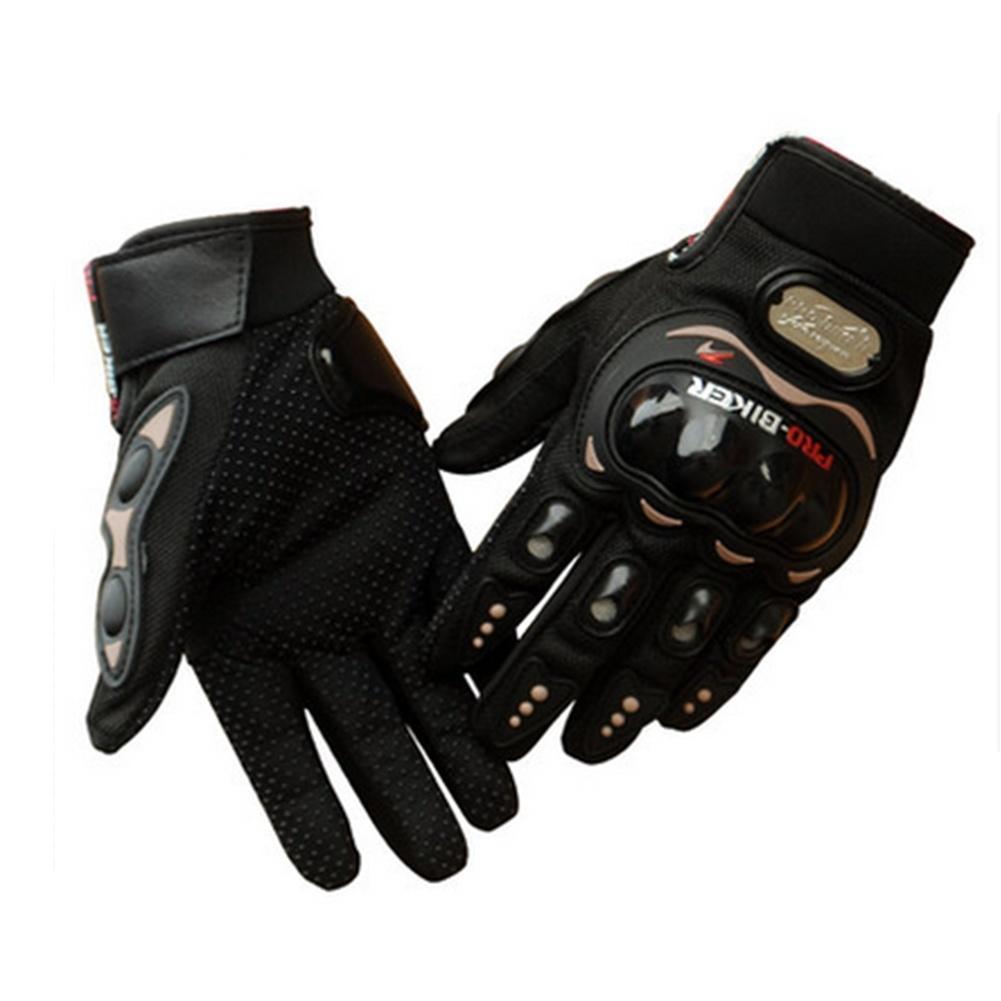
Working in any shop environment puts your hands at risk. Whether you handle sharp tools, chemicals, or rough materials, proper hand protection keeps you safe. Shop gloves serve as your first line of defense against cuts, burns, and chemical exposure.
The right gloves protect your hands while letting you work comfortably. This guide helps you understand different types, choose the best options, and maintain your protective gear.
Why Hand Protection Matters in Work Environments
Your hands perform countless tasks during each workday. They grip tools, handle materials, and touch surfaces that could cause harm. Without protection, minor accidents can become serious injuries.
Common workplace hand injuries include cuts from sharp edges, burns from hot surfaces, and skin irritation from chemicals. These injuries cost time, money, and cause unnecessary pain.
Good protective handwear prevents most workplace hand injuries. They act as barriers between your skin and dangerous materials. Quality protection also improves grip and reduces hand fatigue.
Types of Work Gloves for Different Jobs
Cut-Resistant Options
Cut-resistant models use special fibers that resist blade penetration. They work well for handling glass, metal sheets, and sharp tools. These gloves come in different protection levels based on cut resistance ratings.
Level A1 protects against light cuts from paper and cardboard. Level A5 offers maximum protection against extremely sharp objects. Choose based on the sharpest materials you handle regularly.
Chemical-Resistant Varieties
Chemical protection requires specific materials that resist different substances. Nitrile gloves resist oils, fuels, and many solvents. Neoprene handles acids and bases safely.
PVC options work well with most chemicals but lack flexibility. Butyl rubber provides excellent chemical resistance for specialized applications. Always check chemical compatibility charts before selecting.
Heat-Resistant Models
High-temperature work demands specialized heat protection. Leather gloves handle moderate heat and sparks from welding. Kevlar fiber resists higher temperatures while maintaining flexibility.
Aluminized gloves reflect radiant heat in foundry work. Silicone-coated options grip hot objects securely. Consider both contact heat and radiant heat exposure in your work.
General Purpose Protection
Multi-purpose gloves handle various light-duty tasks. Cotton gloves absorb moisture and provide basic protection. Canvas options offer better durability for rough materials.
Coated fabric gloves combine protection with dexterity. Rubber-dipped models improve grip while protecting against moisture. These work well for general maintenance and handling tasks.
Selecting the Right Size and Fit
Proper fit determines comfort and safety during work. Loose gloves reduce dexterity and can catch on machinery. Tight gloves restrict blood flow and cause hand fatigue.
Measure your hand circumference around the knuckles excluding the thumb. Compare measurements to manufacturer sizing charts. Try different brands since sizing varies between companies.
Test the fit by making a fist and gripping objects. Your fingers should reach the fingertips without bunching material. The palm should fit snugly without excess fabric.
Material Guide for Workshop Applications
Natural Materials
Leather provides excellent durability and heat resistance. Cowhide works well for general applications and moderate heat. Goatskin offers better dexterity while maintaining protection.
Cotton absorbs moisture but offers limited protection. Canvas cotton handles rough materials better than plain weaves. Natural materials breathe well during extended wear.
Synthetic Options
Nitrile offers excellent chemical resistance and puncture protection. It maintains flexibility in cold conditions. Latex provides good grip but can cause allergic reactions in some people.
Neoprene resists chemicals, cuts, and abrasions. PVC handles most chemicals but stiffens in cold weather. Synthetic materials often cost less than natural alternatives.
Specialty Composites
Modern composites combine multiple materials for specific applications. Cut-resistant fibers woven into comfortable bases provide targeted protection. Metal mesh offers maximum cut resistance for extreme applications.
Disposable options work well for contamination control. They prevent cross-contamination between different chemicals or materials. Replace disposable gloves frequently to maintain protection.
Care and Maintenance Tips
Cleaning Procedures
Clean reusable gloves after each use to remove contaminants. Use mild soap and water for basic cleaning. Avoid harsh chemicals that might damage protective materials.
Air dry gloves completely before storage. Heat drying can damage rubber and synthetic materials. Turn gloves inside out occasionally to dry thoroughly.
Storage Best Practices
Store gloves in clean, dry areas away from direct sunlight. UV light degrades rubber and synthetic materials over time. Avoid storing near heat sources or sharp objects.
Keep different glove types separated to prevent contamination. Label storage areas clearly to help workers choose appropriate protection. Replace damaged or contaminated gloves immediately.
Inspection Guidelines
Check gloves before each use for signs of wear or damage. Look for holes, cracks, or thinning areas that compromise protection. Test chemical-resistant gloves by inflating them to check for leaks.
Replace gloves showing any signs of degradation. Small holes or cracks can allow dangerous substances to reach your skin. Keep replacement gloves readily available in work areas.
Finding Quality Protection Locally
Local safety supply stores often carry professional-grade options. They understand workplace requirements and can recommend appropriate protection. Many offer bulk pricing for regular customers.
Industrial suppliers stock specialized options for specific industries. They provide technical support and material compatibility information. Online retailers offer broader selection but limited hands-on support.
When searching for shop gloves in Baltimore, look for suppliers who understand local industry needs. These businesses often stock items popular with area manufacturers and workshops.
Cost Considerations and Budgeting
Higher-quality protection often costs more initially but lasts longer. Calculate cost per use rather than initial purchase price. Cheap gloves that tear quickly cost more over time.
Buy in appropriate quantities to get better pricing. However, avoid buying excessive quantities of items with limited shelf life. Some materials degrade over time even when unused.
Consider the cost of potential injuries when evaluating glove prices. Medical expenses and lost work time far exceed the cost of quality protection. Invest in appropriate protection for each specific task.
Common Selection Mistakes to Avoid
Wrong Material Choice
Using general-purpose gloves for specialized tasks reduces protection. Chemical work requires chemical-resistant materials. Cut hazards need cut-resistant fibers. Match glove materials to specific workplace dangers.
Poor Fit Selection
Buying the wrong size affects both safety and productivity. Loose gloves catch on objects and reduce dexterity. Tight gloves cause fatigue and may tear under stress.
Inadequate Protection Level
Choosing insufficient protection to save money creates false security. Light-duty gloves cannot handle heavy-duty hazards. Always select protection that exceeds minimum requirements for your specific tasks.
Building a Complete Hand Protection Program
Successful programs start with hazard assessment. Identify all potential hand injuries in your workplace. Match protection types to specific hazards and tasks.
Train workers on proper selection, use, and care procedures. Provide multiple options for different tasks. Make quality protection easily accessible throughout work areas.
Regular program evaluation ensures continued effectiveness. Update protection as work processes change. Gather feedback from workers about comfort and performance issues.
Quality shop gloves protect your most valuable tools – your hands. Choose appropriate protection, maintain it properly, and replace worn items promptly. Your hands will thank you for the investment in their safety and health.

 English
 Arabic
 French
 Spanish
 Portuguese
 Deutsch
 Turkish
 Dutch
Dutch
 Italiano
 Russian
 Portuguese (Brazil)
 Tiếng Việt