


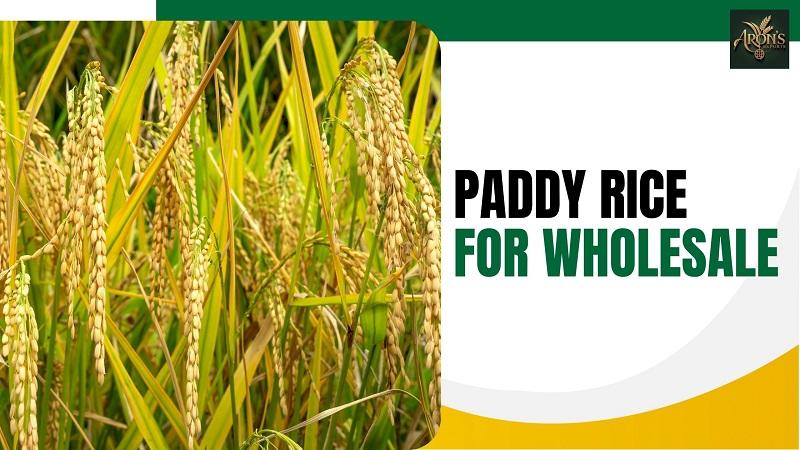
The global rice market continues to expand, with demand driven by rising populations, growing consumer preferences, and the steady need for staple foods. For wholesalers, paddy rice represents one of the most profitable commodities in agricultural trade. However, sourcing paddy rice for wholesale is not just about finding any supplier—it’s about securing consistent quality, reliability, and long-term business value.
Understanding the Importance of High-Quality Paddy Rice
Quality is the cornerstone of the wholesale rice trade. Buyers are becoming more discerning, and markets are increasingly competitive. Poor-quality rice can lead to dissatisfied customers, losses in resale value, and damaged reputations.
High-quality paddy rice should:
-
Be uniform in grain size and shape – Consistency in grains makes milling easier and enhances the final product’s appearance.
-
Have minimal impurities – Stones, husks, and other contaminants reduce quality and create additional cleaning costs.
-
Retain high milling yield – Good-quality paddy should produce a higher proportion of whole grains when milled.
-
Ensure freshness – Recently harvested paddy rice maintains nutritional value and better taste.
Wholesalers who prioritize quality can build trust with their buyers, expand into premium markets, and negotiate stronger trade margins.
Key Steps to Sourcing Paddy Rice for Wholesale
1. Research Reliable Supplier Regions
Different regions are known for producing distinct varieties of rice. For example, countries like Guyana, Thailand, and Vietnam are major exporters of long-grain and aromatic rice. Identifying regions with established reputations helps wholesalers reduce risks and secure better quality.
2. Verify Supplier Credentials
When sourcing paddy rice for wholesale, always check for supplier certifications and trade licenses. Documentation such as ISO certifications, phytosanitary certificates, or government export approvals can indicate a supplier’s credibility.
3. Request Product Samples
Never finalize a wholesale deal without requesting samples. Physical inspection of the paddy rice gives you a chance to assess grain size, moisture content, and overall quality. Testing also ensures the product meets international trade standards.
4. Evaluate Storage and Handling Practices
Rice quality can deteriorate quickly if not stored correctly. Ask potential suppliers about their storage facilities, pest control methods, and packaging solutions. Proper handling reduces post-harvest losses and ensures that the rice maintains its quality during transit.
5. Negotiate Transparent Contracts
Clear agreements regarding price, delivery timelines, and minimum order quantities are essential in wholesale trade. Including quality assurance clauses in contracts ensures accountability if the supplier fails to meet agreed standards.
Building Long-Term Partnerships with Paddy Rice Suppliers
Wholesale trade is most profitable when wholesalers and suppliers maintain long-term relationships. Instead of frequently switching vendors, building trust with reliable suppliers ensures steady quality, better pricing, and reduced risks of shortages.
To strengthen partnerships:
-
Maintain open communication about buyer requirements.
-
Offer feedback to suppliers on quality improvements.
-
Negotiate bulk contracts to secure favorable rates.
-
Build relationships by visiting production sites when possible.
Companies like Aron Baijnauth have established reputations by focusing on strong supplier partnerships, ensuring that clients receive only the best quality paddy rice for wholesale trade.
Technology and Innovation in Rice Sourcing
The wholesale rice industry is rapidly adopting technology to improve sourcing and quality assurance. Digital platforms now allow buyers to connect directly with verified suppliers, reducing the reliance on intermediaries. Additionally, innovations such as blockchain tracking, moisture testing devices, and automated grading systems are helping buyers verify authenticity and quality.
For wholesalers, embracing technology means more efficient sourcing processes, reduced risks of fraud, and improved transparency in trade.
Common Challenges in Sourcing Paddy Rice for Wholesale
While the opportunities are vast, wholesalers must also navigate challenges in sourcing paddy rice. Some common issues include:
-
Inconsistent quality due to poor post-harvest handling.
-
Fluctuating prices caused by seasonal harvest cycles and global demand shifts.
-
Supply chain disruptions from climate change, shipping delays, or trade restrictions.
-
Hidden costs such as tariffs, import duties, or extra storage fees.
By anticipating these challenges and working with experienced suppliers, wholesalers can minimize risks and maintain steady business growth.
Why Wholesalers Should Focus on Sustainability
Global buyers are increasingly looking for rice that is sustainably sourced. Environmentally responsible farming practices not only protect ecosystems but also appeal to conscious consumers. Choosing suppliers that implement sustainable cultivation and fair trade practices can enhance brand value for wholesalers.
Promoting sustainable sourcing also strengthens long-term trade security by ensuring the future availability of high-quality paddy rice. Businesses like Aron Baijnauth emphasize the importance of aligning wholesale trade with ethical and sustainable practices, making them trusted partners in the global market.
Final Thoughts
Sourcing high-quality paddy rice for wholesale is both an opportunity and a responsibility. By carefully selecting suppliers, verifying quality, negotiating clear contracts, and embracing modern technology, wholesalers can strengthen their positions in the competitive rice trade.
With global demand for rice continuing to rise, wholesalers who prioritize quality and sustainability will not only secure profits but also earn trust in international markets. Long-term success lies in building reliable partnerships and consistently delivering value to buyers.

 English
 French
 Spanish
 Portuguese
 Deutsch
 Turkish
 Dutch
Dutch
 Italiano
 Russian
 Romaian
 Portuguese (Brazil)
 Tiếng Việt