


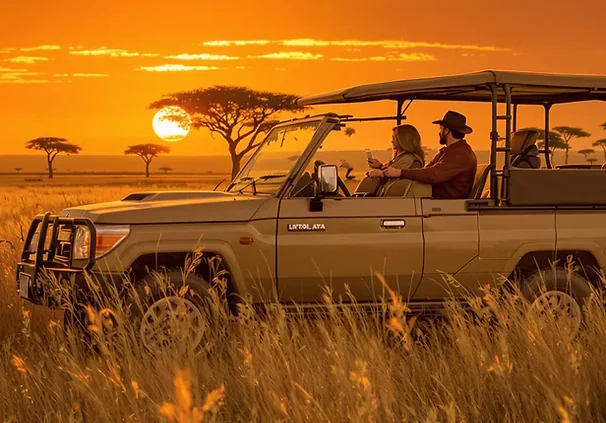
For many travelers, an African safari is the ultimate bucket-list experience. From spotting lions on the prowl to witnessing elephants at a watering hole, safaris offer unforgettable encounters with the natural world. But one of the most common questions travelers ask before booking is: What are the best months to go on an African safari and why?
The answer depends on a mix of factors, including climate, wildlife patterns, and the specific regions you want to explore. Let’s break it down so you can plan your trip with confidence.

Why Timing Matters for African Safaris and Tours
When you’re considering African Safaris and Tours, timing is everything. Africa’s seasons can drastically affect your experience, from the animals you’ll see to the landscapes that surround you. Choosing the right month could mean the difference between witnessing a once-in-a-lifetime migration or staring at empty savannas.
Additionally, safari seasons impact costs and availability. Many African Safari Packages are priced higher during peak months, while the off-season can offer discounts without sacrificing adventure.
The Dry Season: June to October (Peak Safari Months)
For much of sub-Saharan Africa, June to October is considered the prime safari season. This period is the dry winter, when water sources become scarce and wildlife gathers around rivers and watering holes. That makes it much easier for travelers to spot animals.
-
Visibility: With shorter grass and fewer water points, spotting big game like lions, leopards, and elephants becomes effortless.
-
Cooler Weather: Daytime temperatures are warm but not unbearable, while nights can be refreshingly cool.
-
Migration Moments: If you’re heading to Kenya or Tanzania, July to September is when the famous Great Migration takes place, with millions of wildebeest and zebras crossing the Serengeti and Mara plains.
These months are also the most popular, so African Safari Packages often book out quickly. If you prefer bustling camps and guaranteed sightings, this is the time to go.
The Green Season: November to May (Off-Peak but Rewarding)
The green season, which runs from November through May, is often overlooked but offers incredible advantages for safari travelers.
-
Lush Landscapes: Rainfall transforms the savannas into vibrant green expanses, making for stunning photography.
-
Fewer Crowds: With fewer tourists, you’ll enjoy more intimate game drives and quieter lodges.
-
Calving Season: Between January and March, many animals give birth. Watching newborn wildebeest or zebra take their first steps is unforgettable.
-
Birdwatching Heaven: Migratory birds arrive in huge numbers, adding an extra layer of excitement for nature lovers.
While the rains can make roads muddy and wildlife harder to spot, many travelers consider this a small trade-off for the tranquility and unique sightings.

Region-by-Region Safari Timing
Africa is vast, and not all regions follow the same weather patterns. Here’s a quick guide to some of the continent’s most popular safari destinations:
-
Kenya & Tanzania: Best from June to October for the dry season and July to September for the Great Migration. January and February are also excellent for calving season.
-
Botswana: June to October is perfect for game viewing, especially in the Okavango Delta. November to March offers lush scenery but higher humidity.
-
South Africa: May to September is the best time for Kruger National Park safaris, though Cape Town pairs beautifully with safaris in the summer months (November to March).
-
Zambia & Zimbabwe: June to October for walking safaris and Victoria Falls (at its peak flow around April to May).
By aligning your travel dates with the best wildlife activity in each region, you’ll maximize your safari adventure.
Factors Beyond Wildlife
While wildlife spotting is the main draw of African Safaris and Tours, other factors should influence your decision:
-
Budget: Peak months bring higher prices, while off-peak seasons may offer more affordable African Safari Packages.
-
Photography Goals: Green season provides dramatic skies and vibrant backdrops, while dry season delivers classic safari photos with animals against golden plains.
-
Travel Companions: Families with young children might prefer cooler months, while honeymooners may want the lush, romantic atmosphere of the green season.
So, When Should You Go?
If your goal is maximum game viewing and iconic safari experiences, book your trip for the dry season (June–October). But if you value fewer crowds, lower prices, and the beauty of new life, the green season (November–May) could be ideal.
Ultimately, there’s no bad time for an African safari. Each season has its own magic, and the best months will depend on your personal preferences.
Final Thoughts
Planning a safari isn’t just about picking a destination; it’s about choosing the right time to go. Whether you want to witness the Great Migration, capture dramatic landscapes on camera, or enjoy luxury lodges at a fraction of the price, knowing the seasons will help you pick the African Safari Packages that fit your dream.
No matter when you travel, African safaris are life-changing experiences filled with wild encounters and unforgettable moments. If you’re ready to take the leap and start planning, trust the experts who know the land, the wildlife, and the seasons best, Cheetah Safaris.

 English
 French
 Spanish
 Portuguese
 Deutsch
 Turkish
 Dutch
Dutch
 Italiano
 Russian
 Romaian
 Portuguese (Brazil)
 Tiếng Việt