


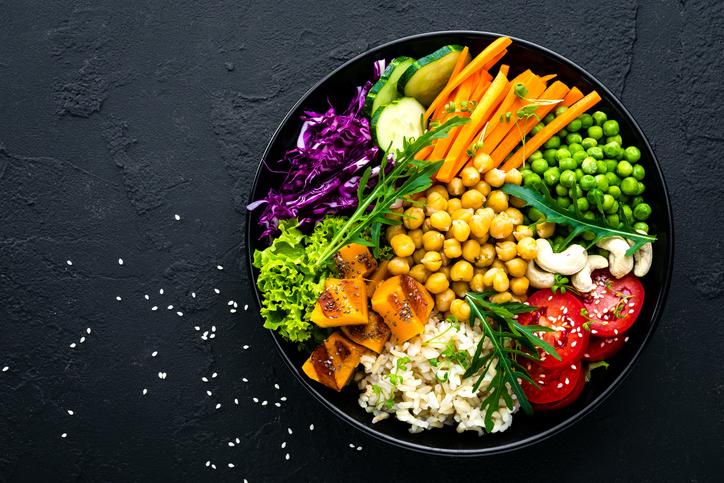
Food is more than just fuel. It’s a source of energy, emotion, and healing. In a world full of processed meals and fast-food chains, many people are now turning back to natural, wholesome foods. One lifestyle that’s gained massive attention for promoting long-term health and sustainability is the whole plant-based diet. But what exactly is it? And how can you begin? Let’s explore this simple, powerful approach to eating clean and living well.
Understanding a Whole Plant-Based Diet
A whole plant-based diet is all about eating foods that come directly from nature mostly plants. It focuses on whole, unprocessed, and nutrient-rich ingredients like vegetables, fruits, grains, nuts, seeds, and legumes. The goal is simple: eat food in its most natural form.
Unlike veganism, which completely avoids all animal products for ethical or environmental reasons, a plant-based diet centers more on health and nutrition. That means while many people on this diet eat little to no animal-based food, the main focus is on adding more plants not just subtracting meat.
Think of it as eating closer to the earth. Less packaging. More color. More life.
The Core Principles of Clean Eating
At its heart, clean eating means being mindful about what you put into your body. It’s not a strict rulebook it’s a mindset. Whole plant-based eating aligns perfectly with this idea.
Here’s what clean eating through plants looks like:
-
Eat foods in their natural state. Choose whole grains over refined ones. Brown rice over white.
-
Avoid ultra-processed foods. If it comes in a shiny packet and lasts a year on the shelf, skip it.
-
Cook more at home. Homemade meals let you control ingredients and avoid hidden additives.
-
Stay hydrated. Clean eating isn’t just about food water matters too.
Short, simple rule? If your food didn’t grow, you probably don’t need it.
Why Choose a Whole Plant-Based Diet?
There’s no denying the power of plants. Science continues to show that people who eat more plant-based meals live longer and have lower risks of heart disease, diabetes, and certain cancers. Plants provide fiber, antioxidants, vitamins, and minerals that the body loves.
But there’s more. It’s not only about health it’s about feeling good.
People who switch to a plant-based diet often notice better digestion, improved skin, and more consistent energy levels. You just feel lighter.
And yes, it’s also good for the planet. Eating more plants means fewer carbon emissions, less water waste, and more sustainability. Every bite counts.
What to Eat on a Whole Plant-Based Diet
So, what exactly do you eat? Good question.
Here’s a simple breakdown of plant-based essentials:
1. Vegetables:
The foundation of your diet. Go for variety leafy greens, root veggies, cruciferous plants like broccoli or cauliflower. Each color offers unique nutrients.
2. Fruits:
Nature’s dessert. Berries, apples, oranges, bananas all great sources of vitamins and natural sugars.
3. Whole Grains:
Brown rice, quinoa, oats, barley, and millet. These provide long-lasting energy and fiber.
4. Legumes:
Beans, lentils, chickpeas packed with protein and iron. Essential for satiety.
5. Nuts and Seeds:
Small but mighty. Almonds, chia seeds, walnuts, flax great for heart health and healthy fats.
6. Healthy Oils (in moderation):
Olive oil, avocado oil, or even nut butters use sparingly.
7. Herbs and Spices:
Natural flavor boosters. Turmeric, basil, cumin, cinnamon no need for artificial sauces.
It’s colorful, delicious, and satisfying. Not restrictive. Not boring. Just real food.
What to Avoid
Clean eating also means knowing what to limit.
Try reducing or removing:
-
Processed meats and fried snacks
-
Refined sugar and white flour
-
Artificial additives and preservatives
-
Sweetened beverages
-
Excess dairy and animal fats
Remember, it’s not about perfection. It’s about progress. Every small swap like choosing fruit over candy moves you closer to better health.
The Benefits of Eating Whole and Plant-Based
Here’s where it gets exciting.
-
Better Digestion:
Fiber-rich foods keep your gut healthy and help prevent constipation. -
Weight Management:
Whole plant foods are naturally lower in calories but higher in volume meaning you feel full without overeating. -
Stronger Heart Health:
Less cholesterol, more nutrients. Plants help reduce blood pressure and improve circulation. -
Boosted Immunity:
Antioxidants and vitamins from fresh produce strengthen your immune system. -
Sustainable Energy:
No sugar crashes. Just steady, clean energy that keeps you going throughout the day. -
Clearer Skin:
Natural, unprocessed foods help your skin glow from within.
It’s a lifestyle that heals from the inside out.
How to Start a Whole Plant-Based Diet
Starting small is key. No need for drastic overnight changes.
-
Begin by adding more vegetables to your meals.
-
Try a meatless day once a week.
-
Replace processed snacks with nuts or fruits.
-
Experiment with new recipes plant-based cooking is full of creativity.
-
Gradually reduce processed food intake.
You’ll soon realize — clean eating isn’t a trend. It’s a return to nature.
Be patient. Your taste buds will adjust. Your energy will rise. Your body will thank you.
Common Myths About Plant-Based Eating
Let’s clear a few misconceptions.
Myth 1: It’s expensive.
Truth — staples like beans, lentils, and rice are among the most affordable foods.
Myth 2: You won’t get enough protein.
Wrong again. Legumes, nuts, tofu, quinoa, and seeds provide plenty.
Myth 3: It’s too restrictive.
Actually, it’s quite the opposite. You discover new flavors, textures, and cuisines.
Myth 4: You have to be vegan.
Nope. Plant-based means prioritizing plants — not excluding everything else.
Conclusion
A whole plant-based diet isn’t about perfection or labels. It’s about choosing food that nourishes, energizes, and heals. It’s about reconnecting with what’s real whole foods grown by nature, not created in factories.
Start small. Eat simple. Be mindful. Each meal is an opportunity to care for your body and the planet.
Clean eating isn’t a restriction. It’s liberation. It’s health in its purest form.
FAQs
1. What is the difference between vegan and plant-based diets?
A vegan diet excludes all animal products for ethical reasons, while a plant-based diet focuses mainly on health and prioritizes plant foods, though some animal products may still be included.
2. Can I get enough protein on a plant-based diet?
Yes. Legumes, tofu, quinoa, nuts, and seeds are excellent sources of plant protein.
3. Is a whole plant-based diet suitable for beginners?
Absolutely. Start gradually by adding more fruits, vegetables, and whole grains to your daily meals.
4. Will I lose weight on a plant-based diet?
Most people experience healthy weight loss due to high fiber and lower calorie density in plant foods.
5. How can I stick to clean eating long-term?
Plan your meals, cook at home, and keep healthy snacks available. Focus on progress, not perfection.

 English
 Arabic
 French
 Spanish
 Portuguese
 Deutsch
 Turkish
 Dutch
Dutch
 Italiano
 Romaian
 Portuguese (Brazil)
 Tiếng Việt