


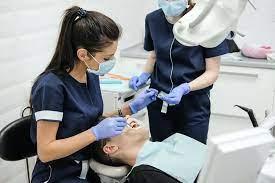
Brushing and flossing at home are essential, but they don’t replace professional cleanings. Most dentists recommend visiting every six months, yet many patients wonder: is that truly necessary? Understanding why professional cleanings matter, how often you should schedule them, and what happens if you skip them can help you make the best decisions for your oral health.
The Basics of Preventive Care
Dentistry has shifted over the years from fixing problems to preventing them. Daily brushing and flossing help control plaque, but they can’t eliminate it entirely. Plaque that hardens into tartar requires professional removal. This is why regular cleanings are so important—they target what your toothbrush misses and stop small issues before they become major problems.
The Standard Recommendation
Every Six Months
For most people, dentists advise a professional cleaning twice a year. This schedule gives professionals the chance to remove tartar, polish teeth, and check for early signs of cavities or gum disease. Six months is the sweet spot: it’s frequent enough to prevent serious buildup but not so often that it feels unnecessary.
That said, six months is a general guideline, not a one-size-fits-all rule. Some patients may need more frequent cleanings, while others may safely stretch the time between visits.
Who Needs More Frequent Cleanings?
Some patients face higher risks for oral health problems. If you fall into one of these categories, your dentist may recommend cleanings every three to four months:
-
People with gum disease or a history of periodontitis
-
Smokers or tobacco users
Patients with diabetes or compromised immune systems -
Those prone to cavities or heavy tartar buildup
-
Individuals with orthodontic appliances, like braces
More frequent visits keep these groups ahead of problems and prevent complications that daily home care can’t manage alone.
What Happens During a Cleaning?
Understanding what goes into a cleaning explains why timing matters so much. A standard appointment usually includes:
-
Scaling: Removal of plaque and tartar along the gumline and between teeth
-
Polishing: Smoothing tooth surfaces to reduce future plaque buildup
-
Fluoride: A treatment that strengthens enamel against decay
-
Examination: A check for cavities, gum disease, or oral cancer signs
Professionals use advanced tools for this process. For example, an ultrasonic Scaler can break up tartar deposits quickly and gently, making the cleaning more effective and comfortable than manual methods alone. These tools provide a level of precision that brushing and flossing simply can’t match.
The Risks of Skipping Cleanings
Skipping regular cleanings might not seem serious at first, but the risks add up over time. Without professional care:
-
Tartar builds up, leading to gum irritation and gingivitis.
-
Gum disease can progress to periodontitis, causing tooth loss.
-
Cavities may develop unnoticed until they cause pain.
-
Bad breath and staining become harder to control.
Even if your teeth look fine in the mirror, oral health issues can develop silently. By the time symptoms appear, treatment may be more invasive and costly.
The Benefits Beyond Oral Health
Professional cleanings don’t just improve your smile—they support your overall health. Research has linked gum disease to heart disease, diabetes, and other systemic conditions. Keeping your gums healthy through regular cleanings reduces your risk for these broader health concerns.
Cleanings also boost confidence. Patients often leave the dentist’s chair with fresher breath, brighter teeth, and a smoother smile. These small but noticeable changes encourage people to smile more, which can have positive effects on self-esteem and social interactions.
Finding the Right Cleaning Schedule for You
So, how often should you really get your teeth cleaned? The answer depends on your unique oral health. For most people, six months is ideal. For higher-risk patients, every three to four months may be necessary.
Your dentist is the best person to guide you. During your checkup, they’ll consider your oral hygiene habits, medical history, and current dental condition to recommend the right schedule.
Conclusion
Prevention Pays Off
The truth is simple: brushing and flossing at home are critical, but they aren’t enough to keep your mouth completely healthy. Professional cleanings fill that gap, offering deeper cleaning, early detection, and long-term protection.
By committing to regular cleanings—whether every six months or more frequently based on your needs—you’ll save yourself from future discomfort, costly treatments, and potential health risks. Prevention truly pays off, and your smile will thank you for it.

 English
 Arabic
 French
 Spanish
 Portuguese
 Deutsch
 Turkish
 Dutch
Dutch
 Russian
 Romaian
 Portuguese (Brazil)
 Tiếng Việt