


Not long ago, wrapping was seen only as a way to cover food for a short period. Restaurants, bakeries, and vendors often used sheets or bags without much thought. Over time, wrapping began to shape dining in new ways.
The person walking into a café, ordering a sandwich, and receiving it wrapped in paper with a clear logo. The process of unwrapping creates a small pause before eating begins. That pause sets the mood and adds a layer to the dining experience. Wrapping has become part of food service rather than just a barrier.
Customers began asking for more than just food. They wanted hygiene, order, and a sense of trust. Businesses learned that wrapping could answer those demands. Wrapping has now become a form of silent communication between a brand and its audience. It covers food, but at the same time, it presents food. Food service today uses wrapping as part of a story that starts before eating and often lasts in memory after a food ends.
How Does Wrapping Support Food Hygiene and Safety?
Food passes through many hands before reaching a customer. Without wrapping, the chances of exposure to dust or germs rise. Wrapping helps create a layer of protection, reducing contact and building confidence for those who receive food.
Consider a bakery preparing bread early in the morning. As soon as bread comes out, wrapping ensures contact remains minimal. For hot food, wrapping designed for high temperatures keeps food covered until arrival. In both cases, wrapping acts as a protect during handling, storage, and travel.
In What Ways Does Wrapping Shape Dining Experience?
Eating has always been more than taste. Wrapping adds a new dimension to dining moments. Unwrapping feels like opening a wrap before reaching what lies inside. That act sets a rhythm and slows eating down in a meaningful way.
For example, a bagel on a tray might be consumed quickly and without thought. When served wrapped, opening becomes part of the enjoyment. That simple moment builds a connection between dinner and food. Customers remember food wrapped carefully because the process feels different.
Restaurants and cafés use wrapping as a way to control mess while serving. A burger wrapped firmly can be held without spilling. Sandwiches or pastries wrapped in paper allow easy handling. Customers enjoy food without needing extra tools or surfaces. Wrapping enhances both order and comfort during eating.
Why Has Sustainability Changed Wrapping Choices?
Concerns about the environment have reshaped thinking around wrapping. Plastic, once widely used, is now avoided by many businesses. Customers ask for paper or compostable material that does not leave long-term waste. Businesses respond by adopting wrapping that supports such values.
Restaurants choose wrapping material that balances function and responsibility. A sandwich wrapped in biodegradable paper provides coverage while addressing customer concern about waste. That decision communicates care not only for food but also for the larger community.
Customers often ask themselves what happens to wrapping once discarded. Wrapping made from paper or similar material gives a positive answer. No one wants wrapping that lingers in landfills for decades. Businesses using sustainable wrapping show responsibility, which builds a stronger relationship with customers.
How Does Wrapping Assist With Branding?
Wrapping has become a quiet stage for branding. Carrying wrapped food outside spreads brand presence into streets and workplaces. Wrapping thus works as a moving advertisement. Brands see wrapping as a chance to make impressions.
Logos, short messages, or simple colors connect with customers during everyday use. Wrapping is no longer plain; it holds identity. People who carry wrapped food share that identity with others around them.
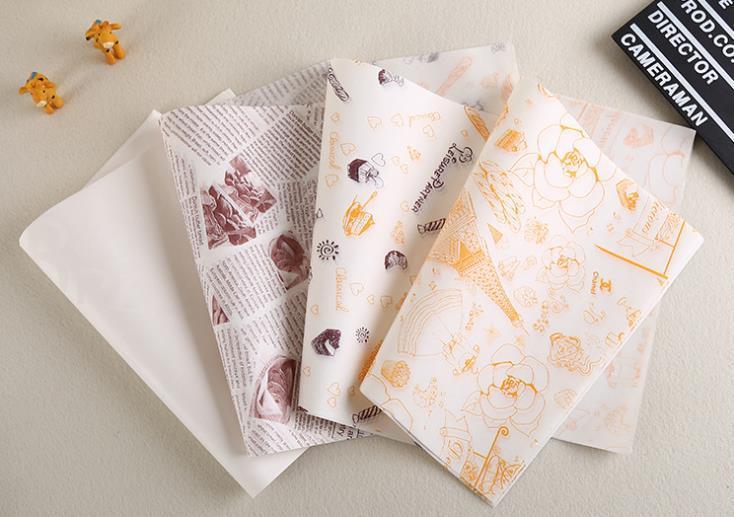
Businesses have begun using options such as custom food wrapping paper. That approach allows them to print patterns, quotes, or art reflecting their story. Customers notice these touches. Small details remind them of brand care and style. Wrapping strengthens the connection without extra effort.
What Function Does Wrapping Hold in Delivery and Takeaway?
Food delivery changed habits of millions. food now travels from kitchens to homes, workplaces, or public spots. Wrapping plays a key role during this journey.
For hot dishes, wrapping keeps hot until arrival. Cold items remain protected from moisture or contact. Without wrapping, delivery can cause spills or sogginess, leading to disappointment. Businesses know customers judge food not only by flavor but also by how food looks when unwrapped at home.
Delivery-focused outlets rely on wrapping that can endure travel. A tightly wrapped burger or pastry shows that care went into wrapping. Customers often share photos of food online, and wrapping becomes part of those images. Businesses cannot ignore that influence.
Why Do Businesses Prefer Custom Wrapping?
Food service now views wrapping as a tool for identity. Standard wrapping no longer satisfies diverse needs. Businesses prefer options designed around their own requirements. Custom wrapping meets that demand by offering flexibility in design, size, and material.
Cafés often match designs with store themes. Bakeries may print patterns for seasonal events. Vendors who work in open markets use wrapping that signals professionalism. Each group benefits by showing distinct presence through wrapping.
For those looking for such solutions, Custom Wax Paper offers options for businesses of different sizes. From startups to established outlets, wrapping tailored to specific needs helps create memorable service while supporting brand recognition.
How Might Wrapping Shape Food Service in Coming Years?
The future of food service will continue to be shaped by wrapping. Customers will demand higher standards for safety, function, and environmental impact. Businesses will adapt with wrapping that lasts longer, breaks down faster, or signals freshness through design.
For businesses, wrapping will remain an area for competition. Those who choose thoughtful wrapping will stand apart. Whether by focusing on eco-friendly choices, simple branding, or custom options, wrapping will influence dining more deeply in years to come.
Food service relies not only on food but also on presentation. Wrapping is now part of that chain. Future growth will likely depend on how well businesses align wrapping with changing expectations of customers and communities.

 English
 Arabic
 French
 Spanish
 Portuguese
 Deutsch
 Turkish
 Dutch
Dutch
 Russian
 Romaian
 Portuguese (Brazil)
 Tiếng Việt