


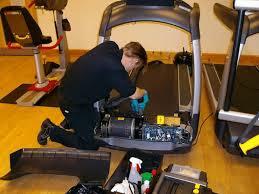
Fitness enthusiasts know that consistent exercise is the key to maintaining health, strength, and overall well-being. However, one aspect that is often overlooked is the maintenance of fitness equipment. Whether you own a treadmill, elliptical, stationary bike, or multi-gym machine, the performance and longevity of your equipment depend largely on its components. Over time, parts can wear out, leading to inefficiency, safety hazards, or even complete equipment failure. This is where fitness equipment parts replacement becomes crucial.
Why Parts Replacement Matters
Fitness equipment is designed to withstand repeated use, but like all mechanical systems, its parts are subject to wear and tear. Common areas of concern include belts, pulleys, bearings, motors, cables, and electronic components. Neglecting worn-out parts can cause several problems:
-
Decreased performance: Worn belts or misaligned rollers can reduce the smoothness of motion on treadmills and elliptical machines, making workouts less effective.
-
Safety hazards: Broken or damaged parts, such as loose bolts or frayed cables, can lead to accidents and injuries.
-
Increased repair costs: Minor issues that could be solved with a simple parts replacement can escalate into major repairs if ignored.
-
Shortened equipment lifespan: Continuous use of faulty components accelerates the deterioration of the entire machine.
Replacing parts proactively ensures that your fitness equipment operates efficiently, safely, and for a longer period.
Common Fitness Equipment Parts That Need Replacement
Understanding which components are most likely to need replacement can help users maintain their machines effectively. Here’s a breakdown of some commonly replaced parts:
1. Treadmill Belts and Decks
The treadmill belt is the surface you walk or run on, and it experiences constant friction. Over time, belts can become worn, loose, or frayed. Similarly, the deck beneath the belt can suffer from wear. Replacing the belt and deck prevents uneven movement and potential injuries.
2. Elliptical Rollers and Bearings
Elliptical machines rely on smooth, low-friction motion for a comfortable workout. Rollers and bearings can degrade with prolonged use, causing squeaking or jerky movements. Replacement ensures a quieter and smoother operation.
3. Cables and Pulleys
Cable-driven machines, such as multi-gyms and cable crossovers, use steel cables and pulleys to create resistance. These components can fray, snap, or lose tension over time. Regular inspection and timely replacement are essential for safety and performance.
4. Motors and Electronics
Cardio machines like treadmills and stationary bikes often have electronic components and motors that may malfunction due to overheating, power surges, or age. Replacing faulty motors, circuit boards, or display panels restores the machine to full functionality.
5. Hydraulic and Pneumatic Cylinders
Some resistance machines, particularly in home gyms, use hydraulic or pneumatic systems. These cylinders can leak or lose pressure over time, reducing resistance and affecting workout intensity. Replacement of these components ensures the equipment delivers the intended resistance levels.
6. Foot Pedals and Handles
Stationary bikes, ellipticals, and rowing machines have foot pedals and handles that endure constant stress. Cracked or loose pedals, grips, and handles should be replaced promptly to prevent injury and maintain comfort.
Signs That Your Fitness Equipment Needs Parts Replacement
Recognizing early warning signs can save time and money. Here are indicators that your machine may require parts replacement:
-
Strange noises such as grinding, squeaking, or rattling.
-
Reduced smoothness or uneven motion during use.
-
Visible wear and tear, cracks, or frayed components.
-
Unresponsive or malfunctioning electronics or displays.
-
Inconsistent resistance or performance during workouts.
Addressing these issues early can prevent more serious damage and ensure your safety while exercising.
DIY vs Professional Replacement
Some parts can be replaced by users themselves, especially if the equipment comes with a clear instruction manual. Common DIY replacements include pedals, grips, or easily accessible belts. However, complex components like motors, electronic boards, or internal hydraulic systems are best handled by professional fitness equipment repair services. Attempting these repairs without proper knowledge can void warranties or create safety risks.
Choosing Quality Replacement Parts
When replacing parts, quality matters. Using low-quality or incompatible components can lead to poor performance and frequent breakdowns. Always choose:
-
Original Equipment Manufacturer (OEM) parts for exact compatibility.
-
High-quality aftermarket parts from reputable suppliers if OEM options are unavailable.
-
Ensure proper installation according to the manufacturer’s guidelines.
Maintenance Tips to Extend Equipment Lifespan
While parts replacement is essential, regular maintenance can reduce the frequency of replacements:
-
Regular cleaning: Dust and sweat can damage mechanical and electronic parts. Wipe down equipment after each use.
-
Lubrication: Apply lubricant to moving parts such as treadmill decks, bearings, and rollers as recommended by the manufacturer.
-
Inspection: Periodically check for signs of wear, loose bolts, or frayed cables.
-
Follow usage guidelines: Avoid exceeding weight limits or overusing machines beyond their designed capacity.
Benefits of Timely Fitness Equipment Parts Replacement
Investing in timely parts replacement offers multiple advantages:
-
Enhanced performance: Smooth, fully functional equipment improves workout efficiency.
-
Increased safety: Prevents accidents caused by malfunctioning components.
-
Cost savings: Avoids major repairs and extends the life of expensive fitness equipment.
-
Better user experience: A well-maintained machine provides a comfortable and motivating workout environment.
Conclusion
Fitness equipment is a significant investment for both home gyms and commercial facilities. Over time, normal wear and tear can compromise the performance and safety of these machines. Fitness equipment parts replacement is not just about fixing broken components—it’s about ensuring safety, maintaining performance, and protecting your investment.
By recognizing signs of wear, performing regular maintenance, and choosing quality replacement parts, you can keep your fitness equipment in optimal condition for years. Whether it’s replacing a treadmill belt, elliptical bearing, cable, or motor, addressing issues promptly ensures that your workouts remain effective, safe, and enjoyable.
Remember, a machine is only as good as its components. Keeping each part in top condition is the secret to achieving your fitness goals without interruptions or hazards.

 English
 Arabic
 French
 Spanish
 Portuguese
 Turkish
 Dutch
Dutch
 Italiano
 Russian
 Romaian
 Portuguese (Brazil)
 Tiếng Việt