


I’ve always been someone who enjoys cooking and trying new recipes, but over time, I noticed how easy it is to waste food without realizing it. A few leftovers here, some expired produce there—it all adds up. Learning to reduce food waste at home has not only helped me save money but also made me more mindful about what I eat and how I plan my meals. It’s not about being perfect—it’s about being practical and developing habits that make a real difference.
The Problem: Everyday Waste We Don’t Notice
When I first started paying attention, I realized most of my food waste came from small, everyday habits. I’d buy too much during grocery trips or forget what was hiding in the back of my fridge. It wasn’t intentional—it just happened because I wasn’t keeping track. Food waste often starts with good intentions. We want to eat healthier or cook more often, so we buy a lot of ingredients, but life gets busy, and plans change.
According to studies, households are responsible for a significant portion of food waste globally. It’s not just about throwing away uneaten meals—it’s also about wasting the resources that went into producing that food: water, energy, and transportation. Once I understood that connection, it changed how I approached my kitchen routine.
Now, I focus on simple, realistic steps that fit my lifestyle. Reducing food waste isn’t complicated—it’s about awareness, organization, and small changes that add up over time.
The Agitation: Why It’s Worth Paying Attention
At first, I thought my small habits wouldn’t make much difference. But over time, I started noticing how small actions multiplied into real results. When I began keeping track of what I threw away, I realized I was wasting both money and good food. That awareness pushed me to think differently about meal planning and shopping.
The more I practiced mindful cooking, the more I realized how much control I actually have over waste. I could buy just what I needed, store food properly, and find creative ways to use leftovers. What surprised me most was how satisfying it felt to use everything I bought. It made cooking more rewarding, not restrictive.
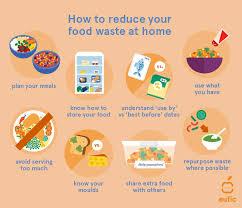
Here’s what I’ve found helps reduce food waste the most:
-
Plan meals before shopping. I make a short list of what I’ll cook for the week and only buy what’s needed.
-
Use proper storage. Keeping fruits and vegetables in the right place extends their freshness.
-
Label leftovers. I write dates on containers so I know when I made something.
-
Get creative. I use scraps for soups, smoothies, or composting when possible.
-
Organize the fridge. I rotate older items to the front so they get used first.
Small adjustments like these make a big difference. They also help me feel more organized in general, which makes cooking less stressful. And during those breaks when I’m cleaning up after a meal or writing out a grocery list, I like to take a quiet moment for myself. Having something like the custard monster blueberry by my side helps me unwind and reset my focus before jumping back into the day.
The Solution: Simple Habits That Work
Reducing food waste doesn’t require big lifestyle changes—it’s all about developing habits that make sense for your routine. I’ve found that setting small, achievable goals helps me stay consistent. For example, one week I might focus on finishing leftovers, and the next week, I might work on meal prep to use ingredients more efficiently.
Here are a few simple habits that have worked well for me:
-
Track what you throw away. This gives insight into what you might be buying too much of.
-
Cook smaller portions. Making just enough for each meal prevents waste from uneaten food.
-
Freeze smartly. If I can’t finish something within a few days, freezing it keeps it fresh for later.
-
Learn simple recipes. Dishes like soups, stews, and stir-fries are great for using up odds and ends.
-
Shop with purpose. Instead of impulse buying, I stick to what I know I’ll use soon.
What I love about this approach is how it simplifies my time in the kitchen. I cook more intentionally and waste less without feeling limited. Over time, these habits have also made my grocery shopping more efficient—I spend less and use everything I buy.
Sometimes, after a productive day of cooking and organizing, I take a moment to relax and enjoy the calm. That’s usually when I reach for my custard monster e liquid, which adds a small touch of comfort as I reflect on how these little changes have made a big impact in my home.
The Results: A Balanced and Mindful Lifestyle
As I continued practicing mindful cooking, I realized that reducing food waste isn’t just about saving resources—it’s about creating balance. It’s rewarding to know I’m doing something good for my wallet, my kitchen, and the environment.
I also noticed that cutting down on waste naturally led me to eat healthier. By focusing on fresh ingredients and using everything I buy, I’ve improved my diet without overthinking it. It’s one of those habits that feels good in every sense.
Another benefit is how much cleaner and more organized my kitchen feels. When I open the fridge now, I see exactly what I have and what I need to use next. There’s less clutter and more control, which makes cooking more enjoyable.
Here’s how reducing food waste has changed my daily routine:
-
Less stress when cooking. I know exactly what’s available and what meals I can make.
-
Better meal quality. Fresh ingredients get used at their best, which improves flavor.
-
Lower grocery bills. I buy less but make more out of what I have.
-
A positive mindset. It feels good to know I’m contributing to sustainability in my own way.
Even on busy days, I try to stay consistent with these small steps. Whether it’s finishing leftovers before they go bad or finding new recipes for unused ingredients, every little effort adds up.
And when the day winds down, I like to sit back and appreciate the calm after a productive day. That’s when I often reach for my custard monster vape juice—it’s a familiar way to relax and reflect on how small daily actions can create lasting change.
Reducing food waste at home doesn’t need to be complicated. It’s about paying attention, staying mindful, and building habits that fit naturally into your life. Every meal becomes an opportunity to use what you have, create something delicious, and make a small but meaningful difference.
By being intentional with what I buy, cook, and store, I’ve found a rhythm that keeps my kitchen efficient and my mind clear. And that’s what makes this journey toward less waste feel both practical and rewarding.

 Arabic
 French
 Spanish
 Portuguese
 Deutsch
 Turkish
 Dutch
Dutch
 Italiano
 Russian
 Romaian
 Portuguese (Brazil)
 Tiếng Việt